

Appalachian Coal Mining Jobs Reach 14-year High
Increase Comes Despite Arguments that Regulations Kill Jobs
Some congressional representatives claim that federal oversight of mountaintop removal mining in Appalachia threatens domestic coal production and the regions coal mining jobs, but new government data indicates the opposite is true.
Data released by the Mine Safety and Health Administration show that the number of jobs at Appalachian coal mines in the first three quarters of 2011 is at its highest level since 1997. In contrast to previous predictions by coal industry supporters, the number of miners in Appalachia has increased by six percent since the Obama Administration announced plans to strengthen the U.S. Environmental Protection Agency’s scrutiny of mountaintop removal permits in June of 2009.
Since the April 2010 issuance of an interim guidance on surface mine permitting in Appalachia by the EPA, the number of Appalachian miners has grown by 10 percent. Based on this correlation, environmental groups contend that strengthened enforcement of mine safety and environmental rules is creating jobs in Appalachia.
Congress has held numerous hearings this year suggesting that government regulation of surface mining leads to fewer mining jobs. A Subcommittee on Energy and Mineral Resources hearing in November involved legislation introduced by Representative Bill Johnson (R-OH) called the “Coal Miner Employment and Domestic Energy Infrastructure Protection Act.” Johnson’s bill would stop the federal Office of Surface Mining Reclamation and Enforcement from rewriting the federal stream buffer zone rule. The bill would also greatly restrict the surface mining agency’s ability to regulate coal mines by prohibiting it from tak- ing any actions that would reduce coal mine employment, reduce the amount of coal available for mining, consumption, or export, or designate an area as unsuitable for surface mining techniques such as mountaintop removal.
Some members of Congress have claimed that deregulation of coal mining is necessary to increase domestic coal production. But, according to the Federal Reserve data released in November, the capacity of active and permitted coal mines is the highest it has been in 25 years. At the same time, coal mine capacity is being utilized at its lowest rate in 25 years.
Related Articles
Latest News
More Stories
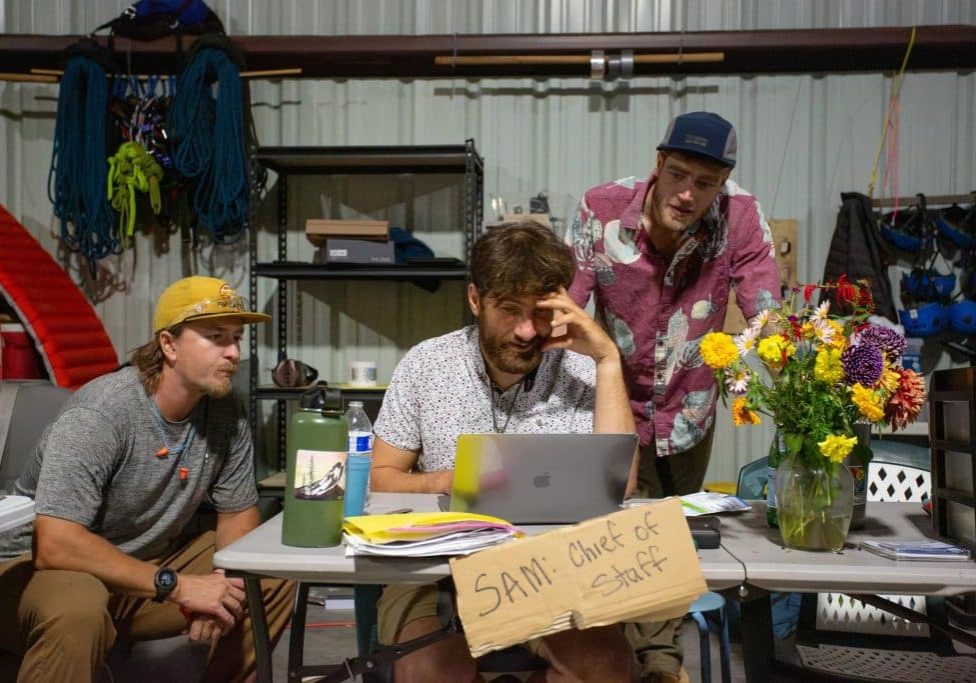
Neighbors Help Neighbors
A photo essay that celebrates the volunteer spirit of the grassroots group Hurricane Helene WNC and speaks to the resourcefulness, collaboration and hard work embodied by thousands and thousands of volunteers, first responders and aid workers across the region after Hurricane Helene.

Halloween Approaches, and Night School Is in Session
The House of Art in Bluefield, West Virginia, looks like a haunted tower, making it the perfect location for its sixth annual haunt event: Night School. The Night School will be open every Friday and Saturday night through Oct. 31.
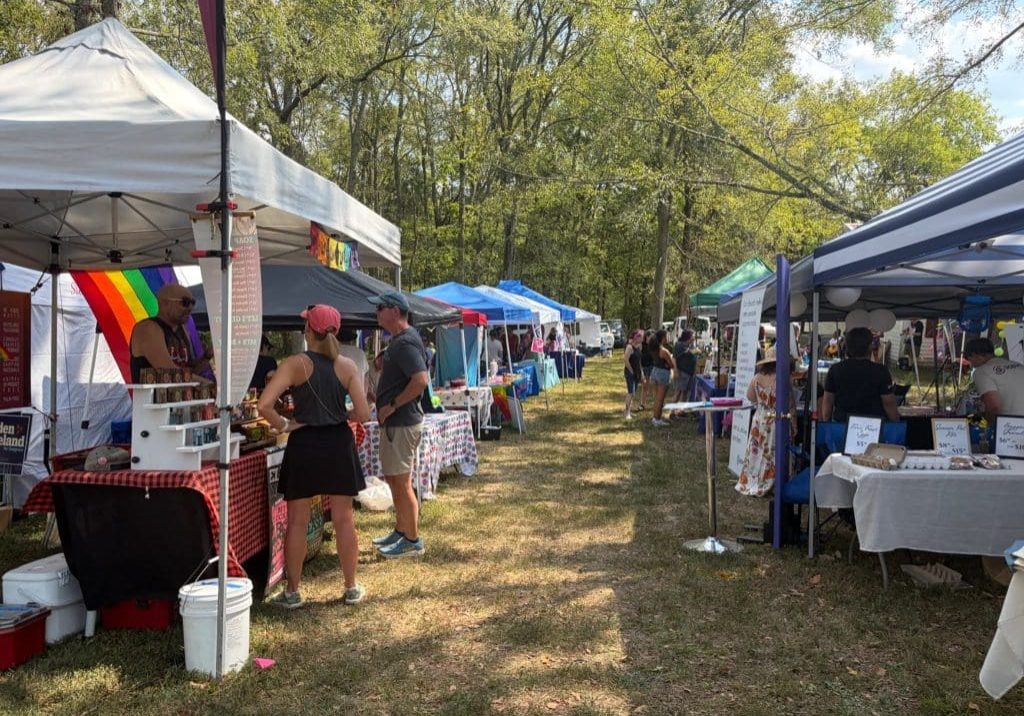
‘The Most Perfect Act of Love’
Hundreds of people attended the second annual Affirming Sumner Pride celebration on a 24-acre farm dubbed “Fruity Farm” in Bethpage, Sumner County, Tennessee.

Signs of Life: Endangered Bats Found in Nantahala for First Time in More Than a Decade
In the Nantahala National Forest, a team of biologists spotted Indiana bats, an endangered species that hasn’t been seen in North Carolina for the last 11 years.
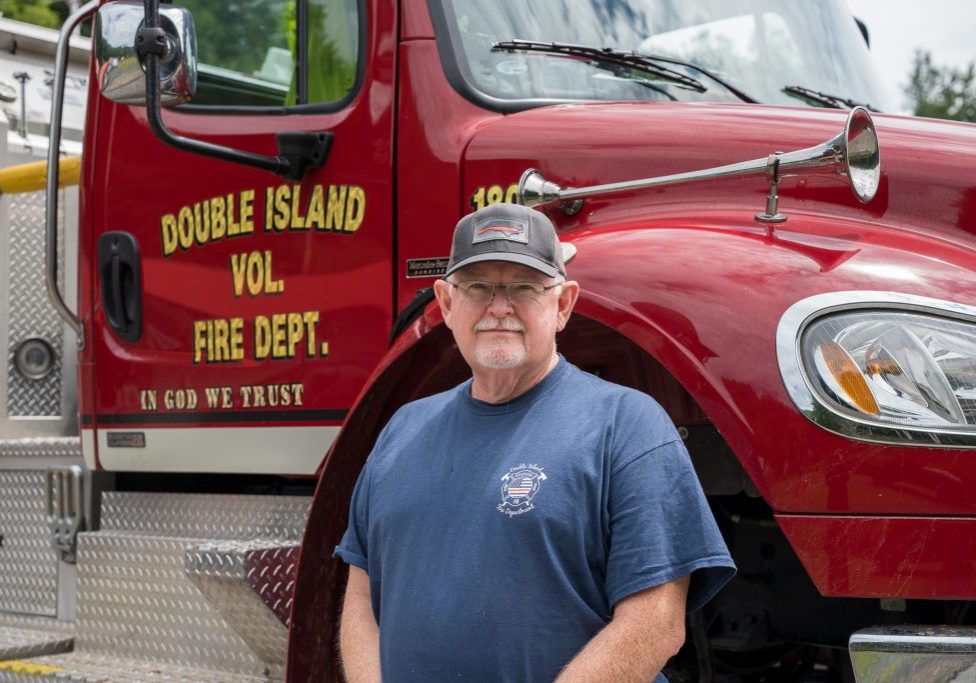
‘First Line of Defense’
During Hurricane Helene and its aftermath, rural fire departments and other first responder hubs played critical roles in keeping their communities safe, even without power and cut off from outside support for days or weeks after the storm. Two years later, plenty of work remains to ensure these hubs have the resources they need to operate day to day and be ready when emergencies or natural disasters strike.
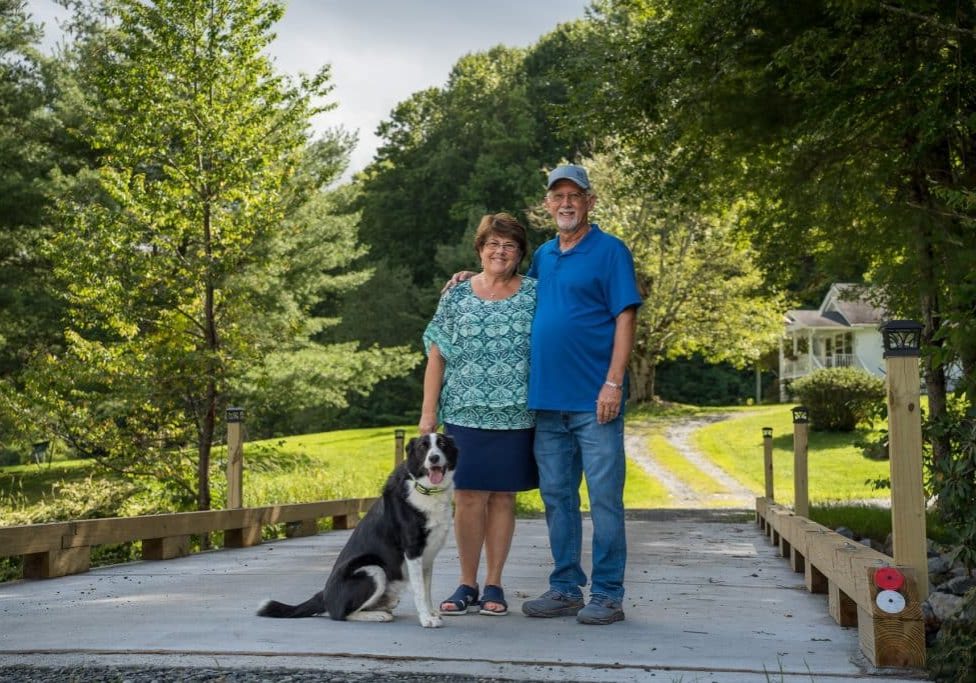
The Rocky Road — and Bridge — to Recovery
Hurricane Helene is estimated to have damaged nearly 7,000 private roads and bridges in Western North Carolina. Two years later, many restoration projects are complete, but the journey hasn’t been easy — and isn’t over for others.

Leave a comment
Your email address will not be published. Required fields are marked *
Leave a Comment