

A new series of proposed natural gas pipelines will give many states better access to natural gas reserves of the Marcellus Shale, a formation of sedimentary rock that covers much of the Appalachian Basin. The pipelines will connect to larger interstate lines to reach more customers in the northeastern United States and possibly Canada. The price tag for the proposed system is around $2 billion.
Since 2008, major drilling companies have exploited the large natural gas reserves of southwestern Pennsylvania. The epicenter of the fracking movement, 3,000 wells have been drilled there in the past three years, with thousands more planned for the future.
Hydraulic fracturing has quickly risen to the forefront of environmental agenda. The horizontal drilling method’s destructive effects on forests, wetlands, streams and habitat are widely publicized.
In other fracking news, the U.S. Geological Survey recently slashed the estimates of recoverable gas in the Marcellus Shale from 410 to about 84 trillion cubic feet. The previous guess by the oil and gas industry-friendly federal Energy Information Administration was only off by 80 percent.
Soaring Back to Protection

A federal judge restored endangered status for the Virginia northern flying squirrel, stating that the U.S. Fish and Wildlife Service violated the Endangered Species Act by removing the animal’s protected status. The ruling concluded that the service violated their own recovery plan by removing the species, and implies that recovery plans for other endangered and threatened species cannot be ignored or revised without public input, according to a statement by the Center for Biological Diversity. The center, along with Friends of Blackwater, the Wilderness Society, Heartwood, the Southern Appalachian Forest Coalition and WildSouth, filed suit in 2009 over the squirrel’s delisting.
This flying squirrel appeared on the planet 30 million years ago and is native to the high-elevation hardwood forests of West Virginia and parts of Virginia. Mostly, these squirrels are known for their aerial acrobatics propelled by underarm skin flaps.
Duke Energy Proposes Rate Hikes
Duke Energy is planning a rate increase that will impact electricity bills and the cost of consumer goods. In these difficult economic times, many North Carolina residents are concerned about a 17.4 percent increase in residential power bills.
The N.C. Utilities Commission will hold a public hearing in Charlotte, N.C. on Tuesday, Oct. 11, at 7 p.m. in Room 267 of the Charlotte-Mecklenburg Government Center, located at 600 East Fourth St.
EPA Cleans Mining Waste in N.C.
The Ore Knob Mine Site in Ore Knob, N.C. has its share of pollution problems, including a failed dam at the end of a tailings impoundment and acid mine drainage into the Ore Knob Branch, part of the New River watershed. But the Environmental Protection Agency has restored the dam and rerouted the stream by a half mile to give it a cleaner run into the Little Peak Creek.
With the cooperation of the National Committee for the New River and donations from Foggy Mountain Nurseries, the EPA planted test plots of different native trees and shrubs to determine which plants most effectively minimize sediment runoff.
Smokey Can’t Prevent This Forest Fire
In a move that stunned some in North Carolina’s renewable energy and environmental community, the N.C. Court of appeals ruled that “whole” trees, timbered solely for burning in electrical power plants, can be considered a renewable energy resource. The contentiousness of the decision centers around the concern that allowing newly fallen timber, instead of waste wood product, as fuel in combustion power plants will lead to clearcutting and increased pressure on Appalachian and Southeastern woodlands. Detractors of the move believe the court’s ruling violates the spirit and intent of N.C.’s renewable energy portfolio standard.
ARC Grant Supports Environmental Education
Bluegrass PRIDE (Personal Responsibility In a Desirable Environment), a central Kentucky environmental education nonprofit, and Congressman Ben Chandler announced $40,000 in grants from the Appalachian Regional Commission to support environmental education in central Kentucky.
Amy Sohner, executive director of Bluegrass PRIDE, says environmental education “makes students understand they have a choice and a voice about the state their environment is in.”
She says schools appreciate their curriculum because it uses real-world situations to teach core skills. “We’ve proven that environmental education can improve test scores for the subjects we teach,” she says.
Related Articles
Latest News
More Stories

Halloween Approaches, and Night School Is in Session
The House of Art in Bluefield, West Virginia, looks like a haunted tower, making it the perfect location for its sixth annual haunt event: Night School. The Night School will be open every Friday and Saturday night through Oct. 31.
‘The Most Perfect Act of Love’
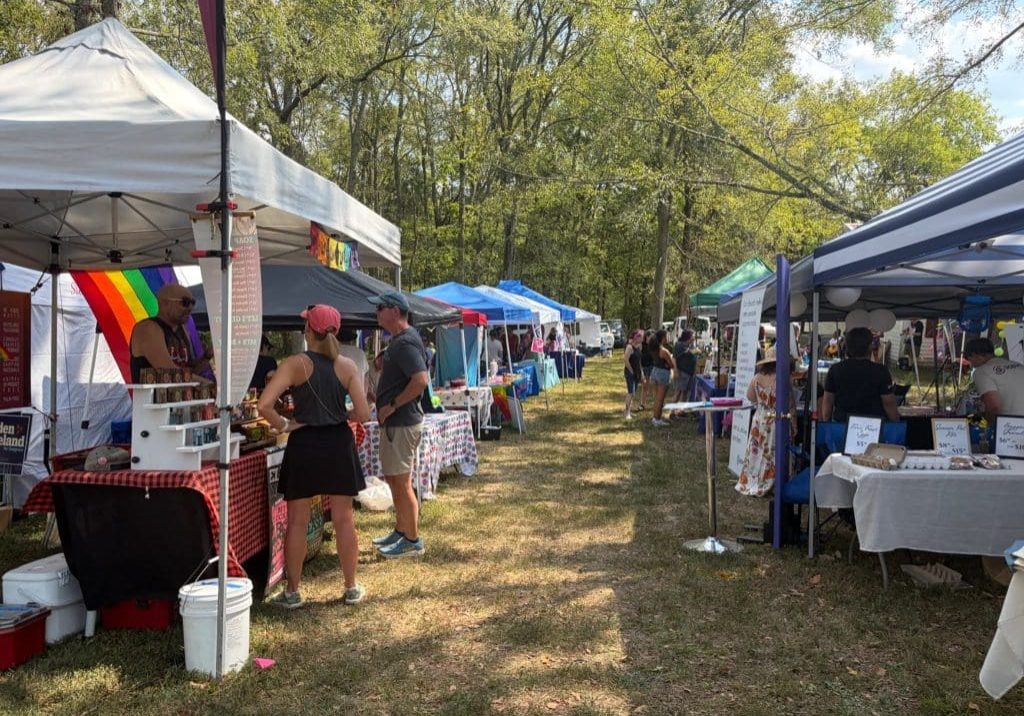
After losing its rural pride celebration, hundreds of people attended the second annual Affirming Sumner Pride celebration on a 24-acre farm dubbed “Fruity Farm” in Bethpage, Sumner County, Tennessee.

Signs of Life
In the Nantahala National Forest, a team of biologists spotted Indiana bats, an endangered species that hasn’t been seen in North Carolina for the last 11 years.

‘First Line of Defense’
During Hurricane Helene and its aftermath, rural fire departments and other first responder hubs played critical roles in keeping their communities safe, even without power and cut off from outside support for days or weeks after the storm. Two years later, plenty of work remains to ensure these hubs have the resources they need to operate day to day and be ready when emergencies or natural disasters strike.

The Rocky Road — and Bridge — to Recovery
Hurricane Helene is estimated to have damaged nearly 7,000 private roads and bridges in Western North Carolina. Two years later, many restoration projects are complete, but the journey hasn’t been easy — and isn’t over for others.
After 20 Years, Letcher County Prison Proposal Is Still Alive, Though Obstacles Remain
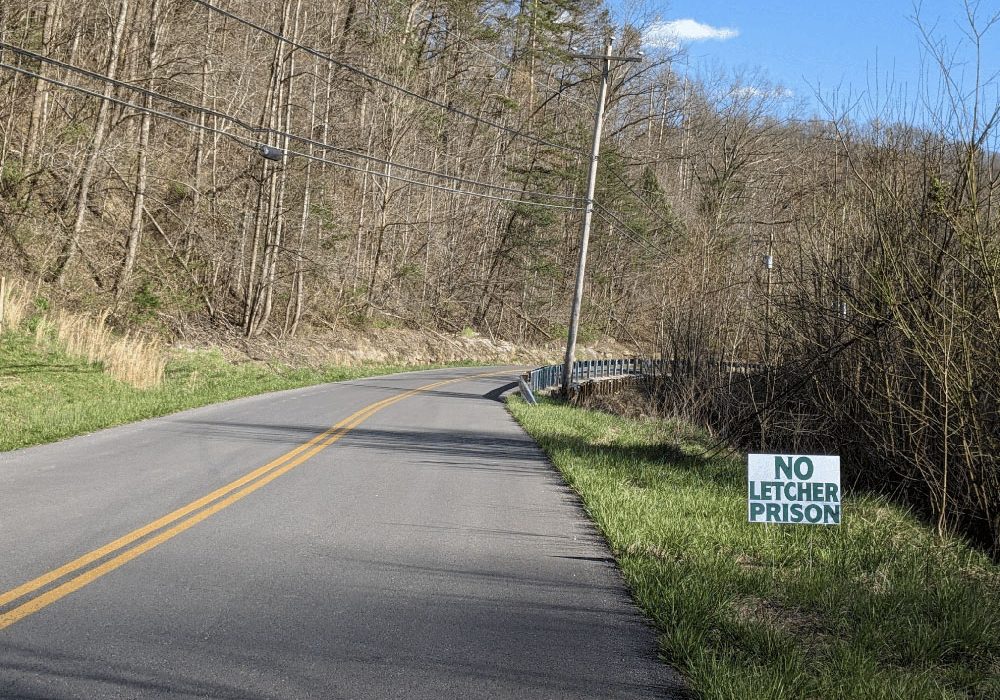
A $605 million proposal for a federal prison on a former strip mine site in Letcher County, Kentucky, championed by U.S. Rep. Hal Rogers, refuses to die, despite local opposition, a lack of support from the executive branch and numerous other obstacles.

Leave a comment
Your email address will not be published. Required fields are marked *
Leave a Comment