

The Coal Report
Compiled by Jamie Goodman
WVDEP Required to Obtain Discharge Permits
According to the 4th Circuit Court of Appeals, the West Virginia Department of Environmental Protection is required to obtain permits to discharge pollutants at abandoned coal mines. The decision upholds a ruling by a U.S. District court which faulted the DEP for violating the Clean Water Act with acid mine drainage.
The DEP appealed the initial decision in 2009, stating that since the agency did not create an abandoned site it was attempting to clean up, it should not have to obtain a permit to discharge acid mine drainage. The agency has not commented on future plans to appeal the new decision.
EPA Weighs ‘Major’ Discharge Classification For Select Coal Mine Water Permits
The EPA is considering reclassifying select coal mines as “major” dischargers under the Clean Water Act. The reclassification could render existing general permits ineligible and require mines to obtain individual water permits that include possible increased monitoring and enforcement.
Mining states could benefit from the new designation, gaining additional Clean Water Act grant money designed for water law programs. The reclassification, however, may meet resistance from industry officials opposing stricter controls and more frequent inspections by the EPA or authorized state regulators.
While states with a heavy mining presence could benefit from the change in designation, possibly gaining additional Clean Water Act grant monies aimed at helping states run delegated water law programs, some feel industry would likely fight such a move as it might force mine operators to comply with stricter controls and more frequent inspections by the EPA or state water law authorities.
Mediation in Rawl Water Lawsuit Fails
Story by Antrim Caskey
More than 600 Mingo County plaintiffs were required to appear at a mediation hearing in hopes of resolving a massive class-action lawsuit that was first filed in 2004.
Hundreds of residents and former residents of what is locally known as the “Forgotten Communities of Rt. 49” gathered at the West Virginia Supreme Court on November 15, in Charleston, W.Va. The plantiffs allege that Massey Energy’s Rawl Sales and Processing poisoned them through years of documented underground coal slurry injections into the region’s drinking water supply, claiming that massive illnesses that swept through their community were the result of “drinking coal sludge.”
After more than two days of meetings, the mediation efforts failed. The case will go to trial in August, 201l.
Check out Caskey’s Mountaintop Mining Watch series at bagnews.com
 Special Update

Judy Bonds, winner of the 2004 Goldman Environmental prize and an iconic member in the movement to end mountaintop removal coal mining, is currently facing a different and more personal struggle. The Rock Creek, WV native-turned-activist is undergoing chemotherapy treatments for stage 4 cancer. Individuals interested in sending well-wishes to Judy are encouraged to write her at P.O. Box 135, Rock Creek, WV, 25174.
Related Articles
Latest News
More Stories

Signs of Life
In the Nantahala National Forest, a team of biologists spotted Indiana bats, an endangered species that hasn’t been seen in North Carolina for the last 11 years.
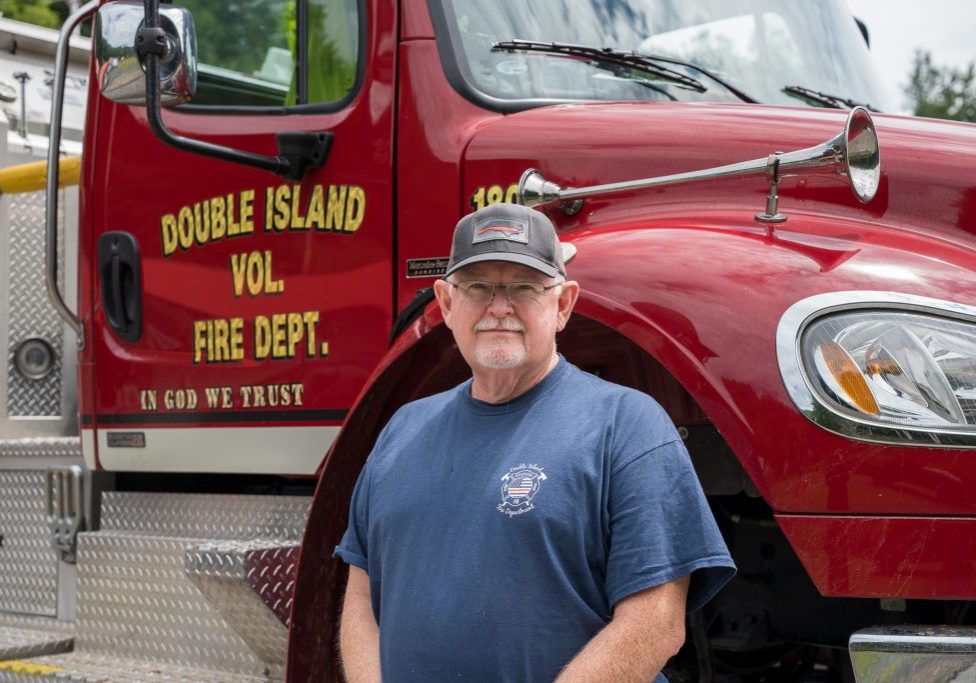
‘First Line of Defense’
During Hurricane Helene and its aftermath, rural fire departments and other first responder hubs played critical roles in keeping their communities safe, even without power and cut off from outside support for days or weeks after the storm. Two years later, plenty of work remains to ensure these hubs have the resources they need to operate day to day and be ready when emergencies or natural disasters strike.
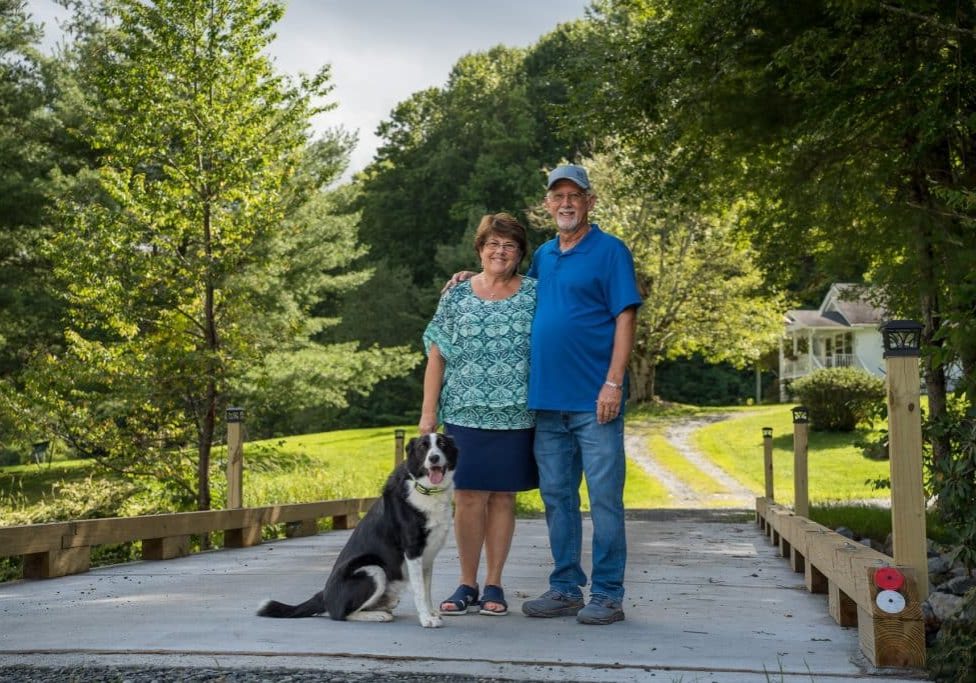
The Rocky Road — and Bridge — to Recovery
Hurricane Helene is estimated to have damaged nearly 7,000 private roads and bridges in Western North Carolina. Two years later, many restoration projects are complete, but the journey hasn’t been easy — and isn’t over for others.
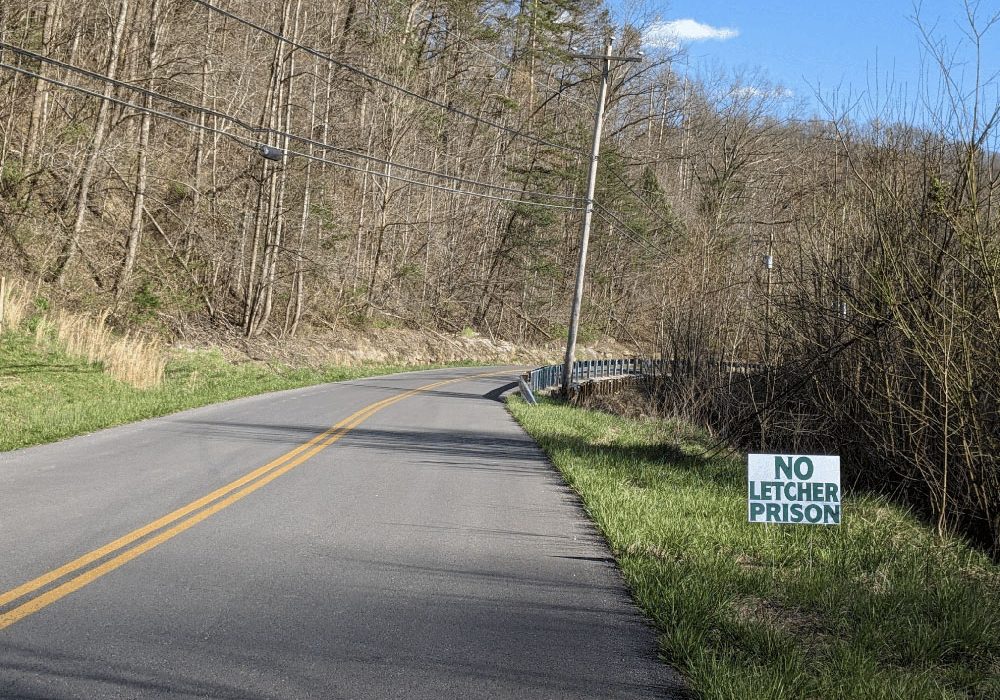
After 20 Years, Letcher County Prison Proposal Is Still Alive, Though Obstacles Remain
A $605 million proposal for a federal prison on a former strip mine site in Letcher County, Kentucky, championed by U.S. Rep. Hal Rogers, refuses to die, despite local opposition, a lack of support from the executive branch and numerous other obstacles.
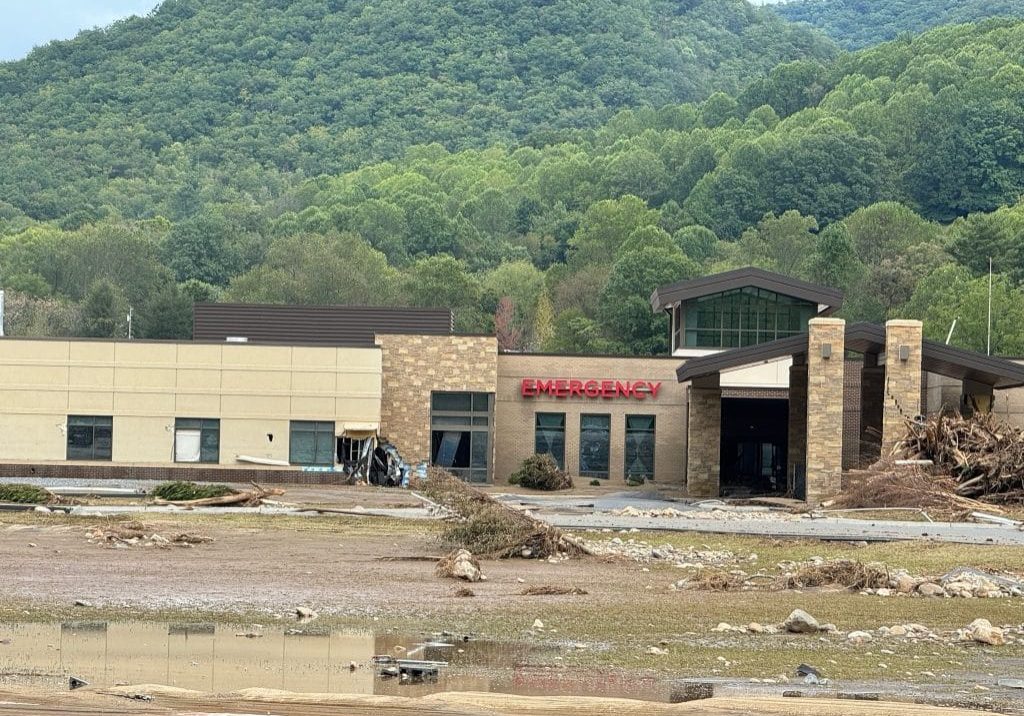
The Washout and Rebuild
For nearly two years, residents of Unicoi County, Tennessee, have had to make do without a hospital after Hurricane Helene destroyed the rural hospital. Ballad Health, which owns the hospital, broke ground on a new location — in another floodplain — in August 2026.

The Shenandoah Salamander
The Shenandoah salamander is a woodland salamander, which has adapted to life at higher elevations away from water. This sparkling rarity lives among the dry leaves, cracked logs, and stony hillocks on the highest peaks of Shenandoah National Park.

Leave a comment
Your email address will not be published. Required fields are marked *
Leave a Comment