

Eastern Kentucky Power Halts Proposed Smith Power Plant
Story by Jamie Goodman
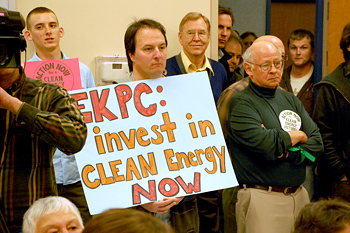
Kentucky citizens attend an air permit hearing press conference for the Smith plant last February. Eastern Kentucky Power Cooperative reached a settlement with several groups and agreed to cancel plans to build the 278MW power plant. Photo by Kentuckians for the Commonwealth
Environmental groups in Kentucky are celebrating a major victory over a proposed coal-fired power plant slated for Clark County.
Eastern Kentucky Power Cooperative (EKPC) reached a settlement with environmental groups, three individual co-op members, the Kentucky attorney general and Gallatin Steel—EKPC’s largest industrial customer—agreeing to halt plans for the utility’s proposed Smith coal-fired power plant.
EKPC also agreed to commit $125,000 toward a joint effort between the involved parties to evaluate and recommend new energy efficiency and renewable energy programs.
In exchange, Kentuckians for the Commonwealth (KFTC), Kentucky Environmental Foundation and the Sierra Club agreed to drop a number of lawsuits and administrative challenges against the cooperative.
According to EKPC representatives, the decision was based on financial concerns and not environmental pressure. Estimates for the total cost of constructing the Smith plant were around $819 million, with $150 million already spent on materials.
“I believe this decision by EKPC is the right one for Kentucky,” said KFTC member Tona Barkley. “I am heartened by this new development and the commitment EKPC has made to work in a collaborative fashion with co-op members and the other parties to the agreement.”
“This new openness and more democratic method will, I believe, help bring the co-ops back to their original purpose–serving its rural members in a transparent fashion,” Barley said.
The groups involved in the settlement also agreed to not oppose the utility’s efforts to recover costs already spent on the plant, including selling turbines and other parts that were already purchased.
Related Articles
Latest News
More Stories

Halloween Approaches, and Night School Is in Session
The House of Art in Bluefield, West Virginia, looks like a haunted tower, making it the perfect location for its sixth annual haunt event: Night School. The Night School will be open every Friday and Saturday night through Oct. 31.
‘The Most Perfect Act of Love’
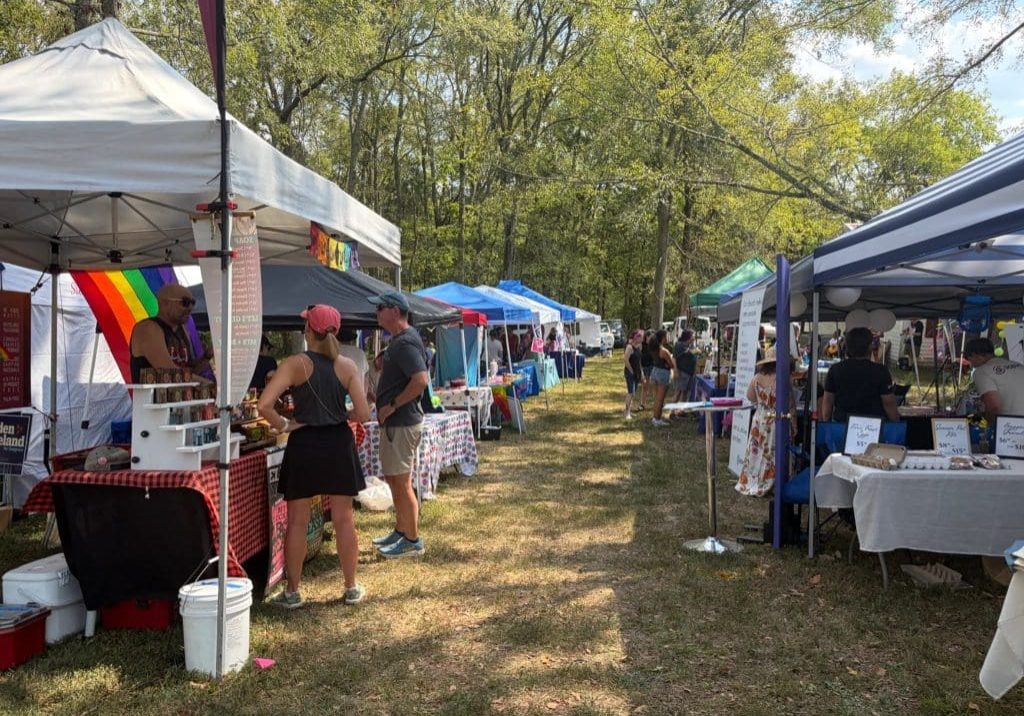
After losing its rural pride celebration, hundreds of people attended the second annual Affirming Sumner Pride celebration on a 24-acre farm dubbed “Fruity Farm” in Bethpage, Sumner County, Tennessee.

Signs of Life
In the Nantahala National Forest, a team of biologists spotted Indiana bats, an endangered species that hasn’t been seen in North Carolina for the last 11 years.

‘First Line of Defense’
During Hurricane Helene and its aftermath, rural fire departments and other first responder hubs played critical roles in keeping their communities safe, even without power and cut off from outside support for days or weeks after the storm. Two years later, plenty of work remains to ensure these hubs have the resources they need to operate day to day and be ready when emergencies or natural disasters strike.

The Rocky Road — and Bridge — to Recovery
Hurricane Helene is estimated to have damaged nearly 7,000 private roads and bridges in Western North Carolina. Two years later, many restoration projects are complete, but the journey hasn’t been easy — and isn’t over for others.
After 20 Years, Letcher County Prison Proposal Is Still Alive, Though Obstacles Remain
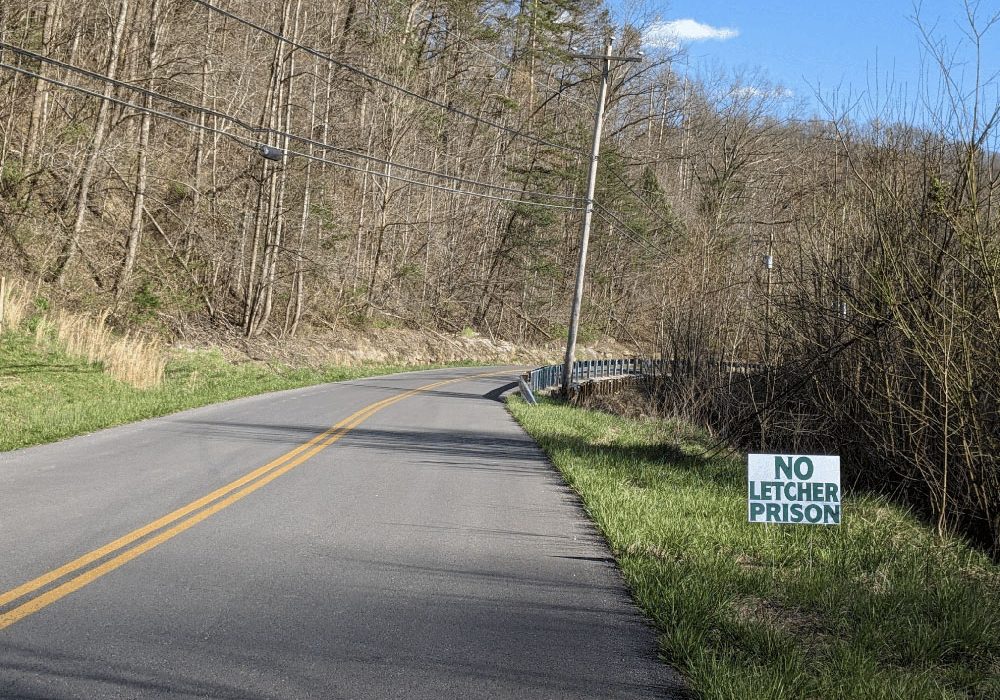
A $605 million proposal for a federal prison on a former strip mine site in Letcher County, Kentucky, championed by U.S. Rep. Hal Rogers, refuses to die, despite local opposition, a lack of support from the executive branch and numerous other obstacles.

Leave a comment
Your email address will not be published. Required fields are marked *
Leave a Comment