

Appalachia’s Christmas Future

If Charles Dickens were alive today spinning Christmas yarns, he would be writing about the health and well-being of Appalachia. He wouldn’t write about how industries “keep the lights on.” He’d worry about the grim conditions that keep the hospitals full and the environment foul.
As Dickens heard demands for cuts in environmental and safety regulations—as well as health care access for working Americans—his attention would turn to the calls of struggling families seeking hope and a new era.
Dickens might not be tempted to wax rhapsodic about the ingenuity of American industry. Instead, he would expound on the frailty of human nature in the face of overwhelming greed.
In A Christmas Carol for our time, Scrooge would be a wholly-owned self-interested corporation focused exclusively on the bottom line.
And of course, he would be visited by the three Christmas ghosts.
Appalachian Christmas Past would take Scrooge on a tour of the public health, labor and environmental justice movements. He’d see the moments when people fought for their rights, but lost to the financial power of small super-affluent special interests.
Appalachian Christmas Present would float Scrooge through the grotesquely dismal insurance claims process for black lung disease and cancer…and the many insults and treatment denials the current health care system hurls at the dying.
Appalachian Christmas Future would bring Scrooge to an isolated graveyard, surrounded by sterile rocky fields where toxic streams flow down to a dead and oily sea.
But how does the redemption that Dickens writes into the Victorian-era tale come to Appalachia?
Picture our Scrooge, flinging open the window Christmas morning, realizing that its not too late. Imagine the now-reformed-geezer rallying bipartisan support for environmental protection and humane health-care policies. Imagine his campaigns to put new life into local businesses like home weatherization, renewable energy and farmers markets.
Most of all, imagine Scrooge on his knees, praying for forgiveness, remembering what Marley told him: “Mankind was my business. The common welfare was my business; charity, mercy, forbearance, and benevolence, were, all, my business.”
As the joy of the moment fills us with blessings for each and every one of us, let’s take the pen from Dickens and help draft the happy ending—and new beginning—for our Treasured Appalachia.
Season’s Greetings, Appalachia—here’s a toast to a New Year working together for a healthier future.
Related Articles
Latest News
More Stories

Halloween Approaches, and Night School Is in Session
The House of Art in Bluefield, West Virginia, looks like a haunted tower, making it the perfect location for its sixth annual haunt event: Night School. The Night School will be open every Friday and Saturday night through Oct. 31.
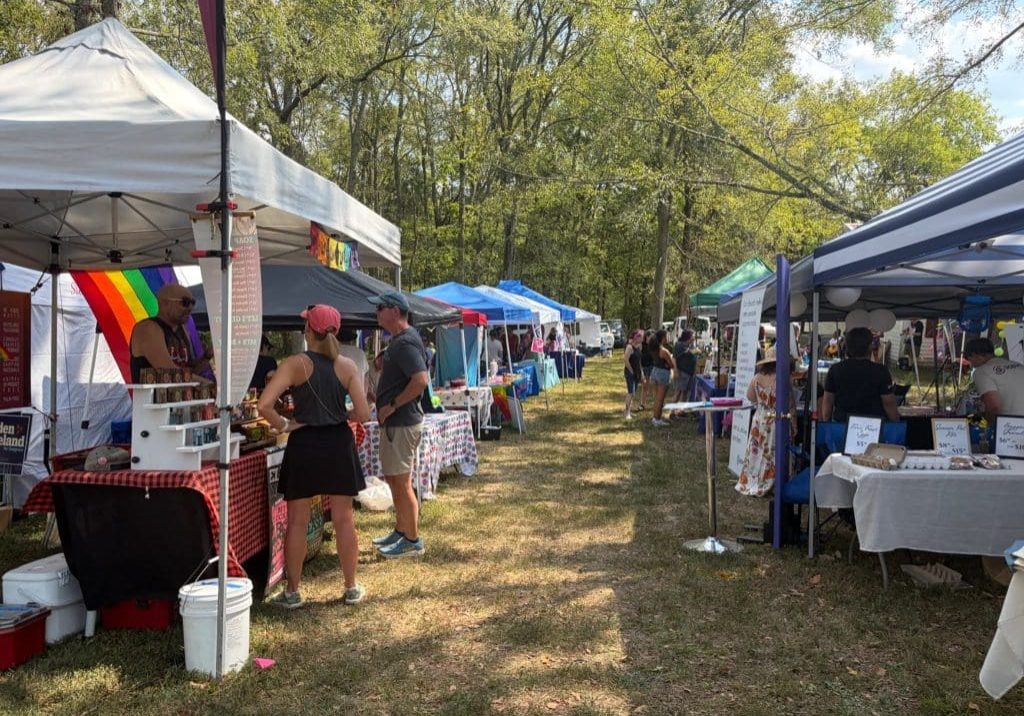
‘The Most Perfect Act of Love’
After losing its rural pride celebration, hundreds of people attended the second annual Affirming Sumner Pride celebration on a 24-acre farm dubbed “Fruity Farm” in Bethpage, Sumner County, Tennessee.
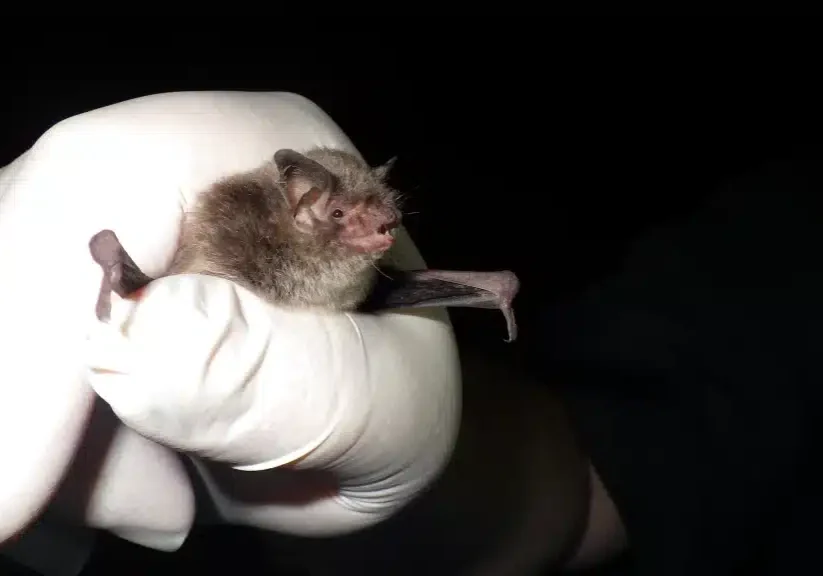
Signs of Life
In the Nantahala National Forest, a team of biologists spotted Indiana bats, an endangered species that hasn’t been seen in North Carolina for the last 11 years.

‘First Line of Defense’
During Hurricane Helene and its aftermath, rural fire departments and other first responder hubs played critical roles in keeping their communities safe, even without power and cut off from outside support for days or weeks after the storm. Two years later, plenty of work remains to ensure these hubs have the resources they need to operate day to day and be ready when emergencies or natural disasters strike.
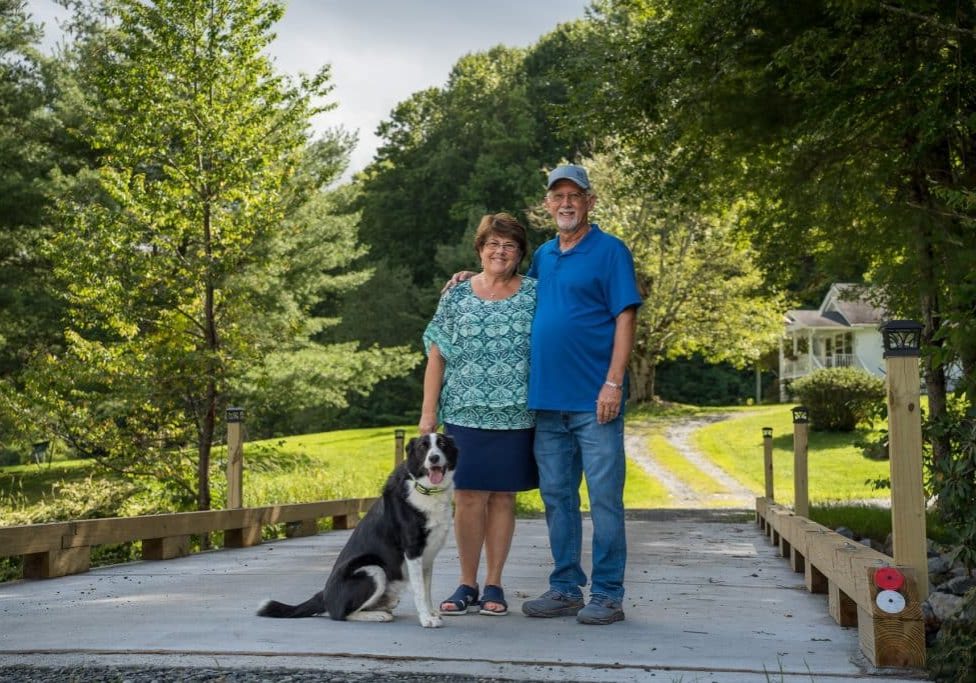
The Rocky Road — and Bridge — to Recovery
Hurricane Helene is estimated to have damaged nearly 7,000 private roads and bridges in Western North Carolina. Two years later, many restoration projects are complete, but the journey hasn’t been easy — and isn’t over for others.
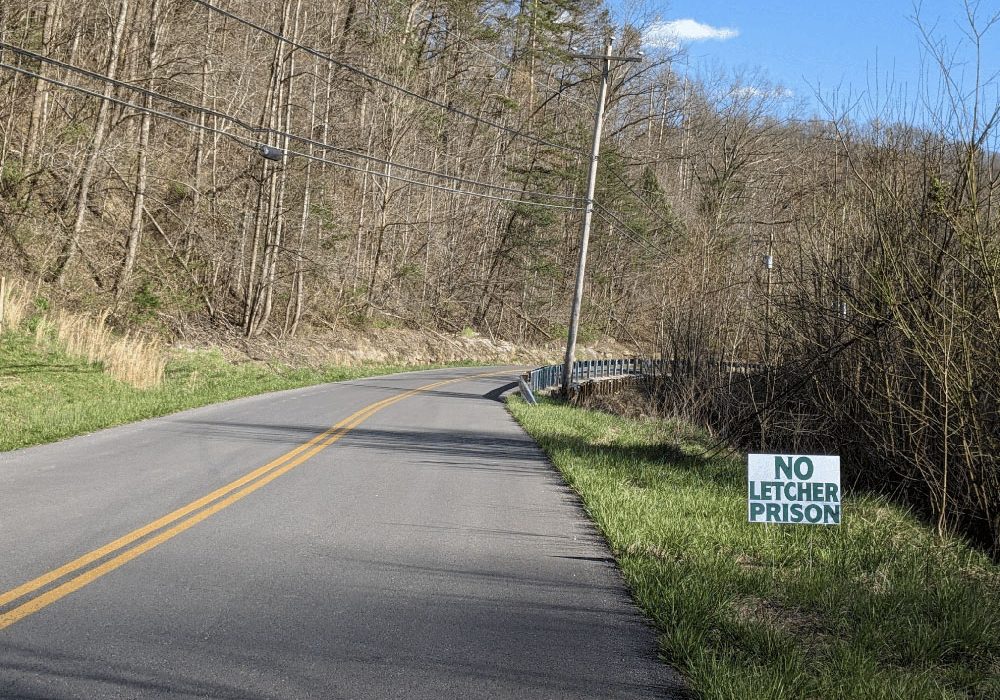
After 20 Years, Letcher County Prison Proposal Is Still Alive, Though Obstacles Remain
A $605 million proposal for a federal prison on a former strip mine site in Letcher County, Kentucky, championed by U.S. Rep. Hal Rogers, refuses to die, despite local opposition, a lack of support from the executive branch and numerous other obstacles.

Leave a comment
Your email address will not be published. Required fields are marked *
Leave a Comment