

When Tragedy Struck: Reflections on Upper Big Branch Mine
By Daniel A. Hawkins
When the tragic explosion of the Massey owned Upper Big Branch mine rocked the small mining community of Montcoal, W.Va., on April 5, 2010, reverberations of sadness and fear echoed throughout the Appalachian Mountains, touching the hearts of nearly everyone laboring in the coal industry.
Words could not possibly describe the sadness known by the families who must now live without their loved ones. The happiness they had once felt was taken from them inside the darkness of a mine.
The outpouring of support from mountain communities has brought people together as this tragedy lends itself to confirm the fear so many coal miners and their families face on a day-to-day basis.
Since the disaster, time with my family has become more precious. The words “I love you” hold added meaning as I put my children to bed, letting them know each night how much they mean to me. My wife is more worrisome about my time in the mine, and my parents call often to tell me how much they love me and to be careful when I am at work.
We all hope with increased desperation that I will find a different profession, one with less risk and a brighter future for our children. There are times that I am willing to just quit, pack everything we own, and leave this place, but I know without another job lined up, my family would be forced to face unnecessary risks in a poor economy.
Changes have occurred at the mine where I work, both in the attitude of the men as well as in the company. The min- ing officials have placed an extraordinary emphasis on safety, wanting every man to make sure they take as much time as needed to be safe—something we are more than willing to do. Production is still essential, but unlike the stories of Massey operations we often hear from their previous employees, safety comes first at our mines.
As coal miners, we know the risks; but with each trip into the mine, we become more complacent, more comfortable that nothing will go wrong. For the men at the Upper Big Branch mine, I am sure it was just another day at work. They took another trip into the mine, down the same familiar entryways, but on this day, it would only take a few short moments for things to go terribly wrong. Knowing this, we find ourselves both consciously and subconsciously striving for a safer way to perform our jobs.
As I followed the news about the explosion, I was brought to the realization of how easily I could have been one of those miners. I am sure that many miners find themselves having the same thoughts after this tragedy—thoughts that we will have to deal with as we hope for something better to come along.
But for now, this is all we have, and all we know.
Related Articles
Latest News
More Stories
Halloween Approaches, and Night School Is in Session
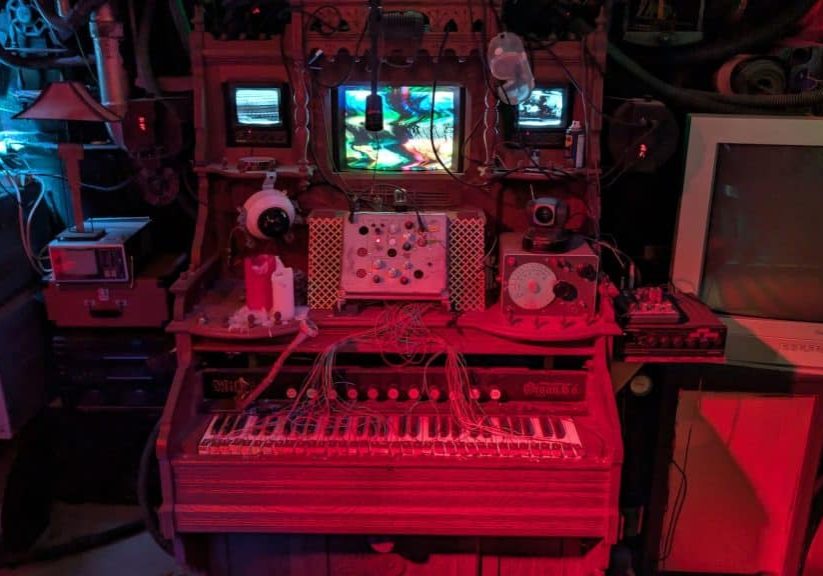
The House of Art in Bluefield, West Virginia, looks like a haunted tower, making it the perfect location for its sixth annual haunt event: Night School. The Night School will be open every Friday and Saturday night through Oct. 31.
‘The Most Perfect Act of Love’
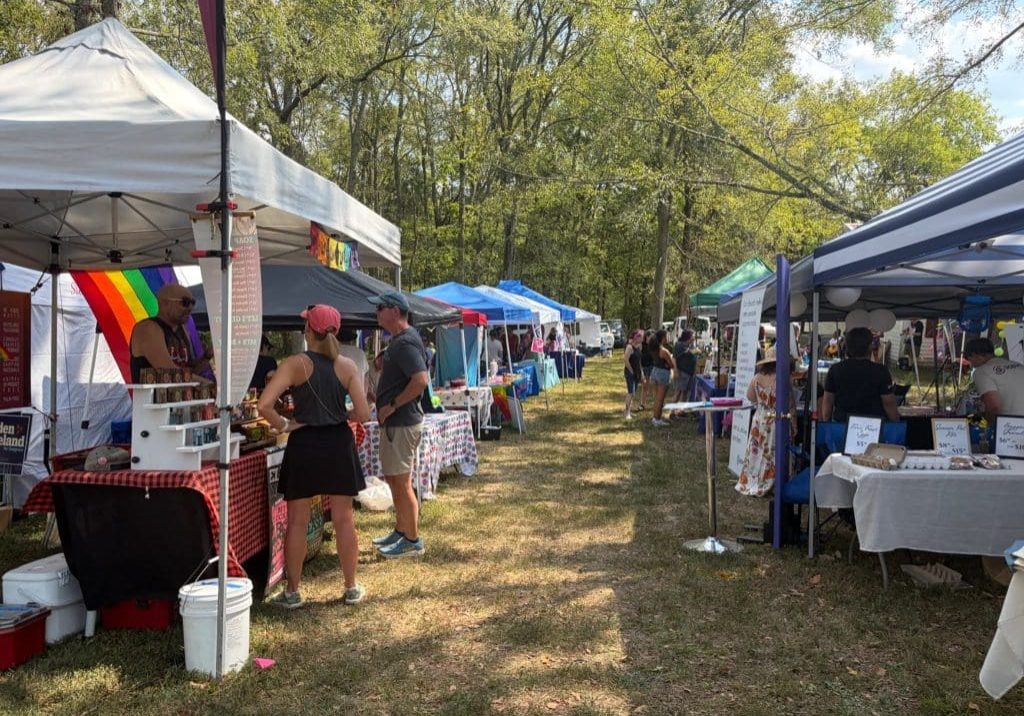
After losing its rural pride celebration, hundreds of people attended the second annual Affirming Sumner Pride celebration on a 24-acre farm dubbed “Fruity Farm” in Bethpage, Sumner County, Tennessee.

Signs of Life
In the Nantahala National Forest, a team of biologists spotted Indiana bats, an endangered species that hasn’t been seen in North Carolina for the last 11 years.

‘First Line of Defense’
During Hurricane Helene and its aftermath, rural fire departments and other first responder hubs played critical roles in keeping their communities safe, even without power and cut off from outside support for days or weeks after the storm. Two years later, plenty of work remains to ensure these hubs have the resources they need to operate day to day and be ready when emergencies or natural disasters strike.

The Rocky Road — and Bridge — to Recovery
Hurricane Helene is estimated to have damaged nearly 7,000 private roads and bridges in Western North Carolina. Two years later, many restoration projects are complete, but the journey hasn’t been easy — and isn’t over for others.
After 20 Years, Letcher County Prison Proposal Is Still Alive, Though Obstacles Remain
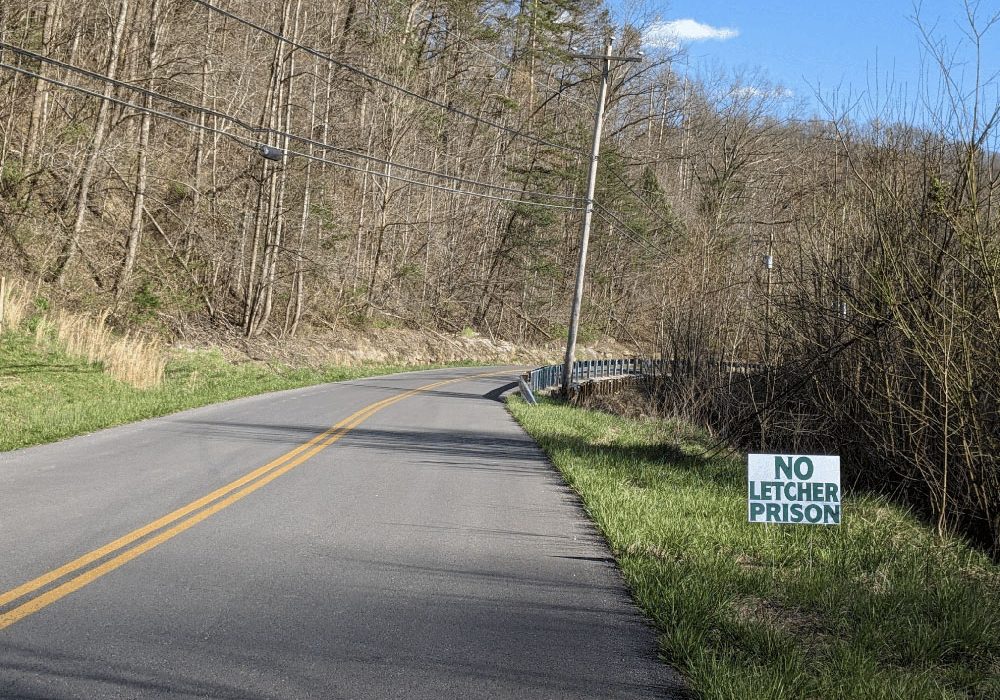
A $605 million proposal for a federal prison on a former strip mine site in Letcher County, Kentucky, championed by U.S. Rep. Hal Rogers, refuses to die, despite local opposition, a lack of support from the executive branch and numerous other obstacles.

Leave a comment
Your email address will not be published. Required fields are marked *
Leave a Comment