

Story by Jed Grubbs

Congressman Tom Perriello from Virginia
A bipartisan coalition of southern Representatives—along with members of the Senate and the National Rural Electric Cooperative Association—have introduced federal legislation that promises to conserve energy, save Americans money on their power bills and create tens of thousands of domestic jobs.
The Rural Energy Savings Program Act (H.R. 4785), a bill in the U.S. House, would provide electric cooperatives with $4.9 billion in loan authority through the U.S. Department of Agriculture’s Rural Utilities Service. This money would be offered by cooperatives in the form of low-interest micro-loans to residential and small business customers who undertake energy-saving retrofit and structural improvements.
The bill was introduced by southern state Congressmen James Clyburn (D-SC), Ed Whitfield (R-KY), Tom Perriello (D-VA), and John Spratt (D-SC), alongside members of the Senate, and National Rural Electric Cooperative Association (NRECA) CEO Glenn English.
Typical customer loans would range from $1,500 to $7,000 and would be paid back through a charge on extra utility bills within 10 years. Most, if not all, of the charge will be made up in the savings a customer receives from having made energy-saving improvements, and once the loan is repaid, customers will continue to enjoy savings on their energy bills.

Congressman Ed Whitfield of Kentucky
Representative Tom Perriello, an original co-sponsor of RESPA, calls the bill “a victory for common sense,” and adds, “the cheapest electricity is the electricity you don’t have to buy in the first place, because you are conserving.”
“Rural households are getting hit the hardest with rising energy costs,” said Perriello. “These efficiency programs will make our rural homes more sustainable and cost efficient and will create much-needed jobs here at home.”
How many jobs? Because efficiency products are primarily manufactured in the United States and installation of these products requires domestic labor, the bill is expected to generate 20,000 to 40,000 jobs—significantly bolstering America’s manufacturing and construction industries.
Examples of efficiency improvements that are expected to generate jobs include sealing, heating, insulation, heat pump, HVAC system, boiler and roof work.
Related Articles
Latest News
More Stories

Signs of Life
In the Nantahala National Forest, a team of biologists spotted Indiana bats, an endangered species that hasn’t been seen in North Carolina for the last 11 years.

‘First Line of Defense’
During Hurricane Helene and its aftermath, rural fire departments and other first responder hubs played critical roles in keeping their communities safe, even without power and cut off from outside support for days or weeks after the storm. Two years later, plenty of work remains to ensure these hubs have the resources they need to operate day to day and be ready when emergencies or natural disasters strike.

The Rocky Road — and Bridge — to Recovery
Hurricane Helene is estimated to have damaged nearly 7,000 private roads and bridges in Western North Carolina. Two years later, many restoration projects are complete, but the journey hasn’t been easy — and isn’t over for others.
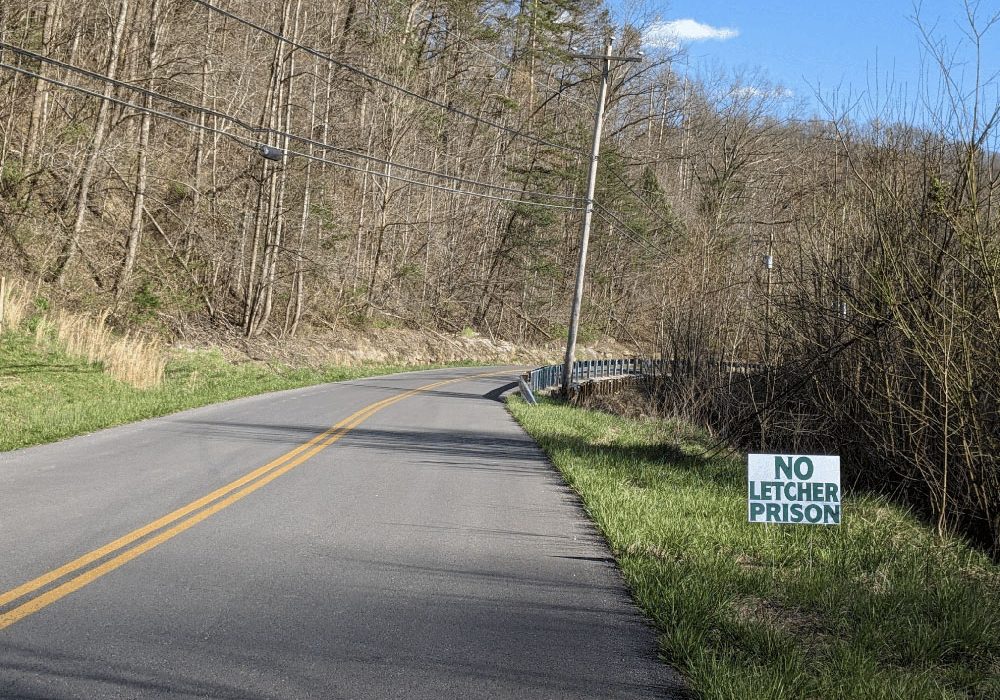
After 20 Years, Letcher County Prison Proposal Is Still Alive, Though Obstacles Remain
A $605 million proposal for a federal prison on a former strip mine site in Letcher County, Kentucky, championed by U.S. Rep. Hal Rogers, refuses to die, despite local opposition, a lack of support from the executive branch and numerous other obstacles.
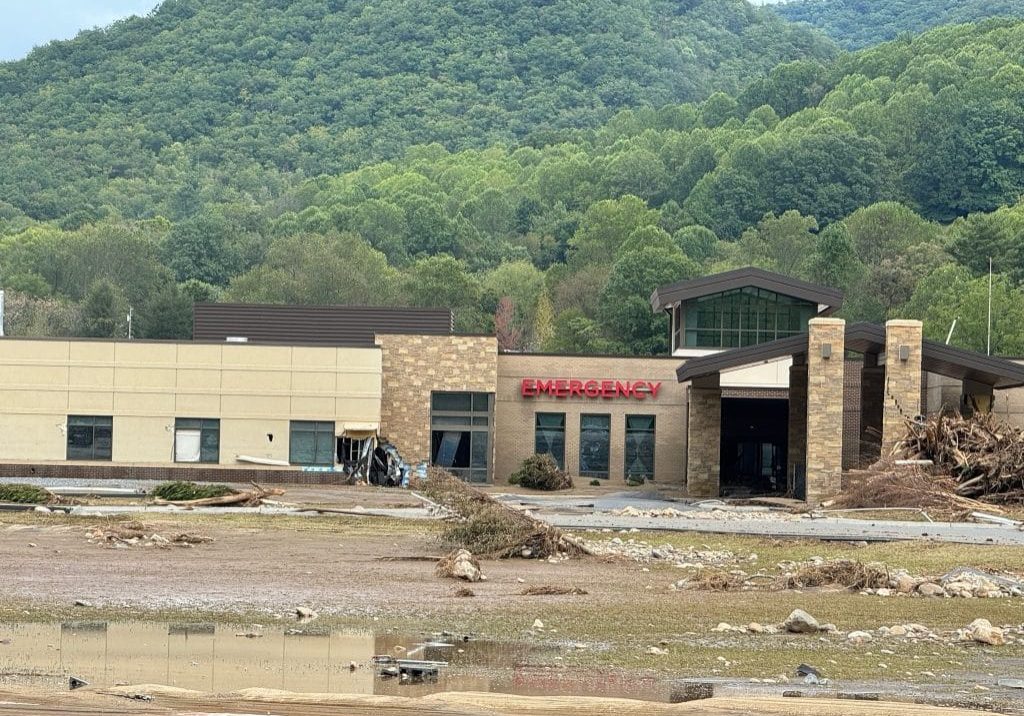
The Washout and Rebuild
For nearly two years, residents of Unicoi County, Tennessee, have had to make do without a hospital after Hurricane Helene destroyed the rural hospital. Ballad Health, which owns the hospital, broke ground on a new location — in another floodplain — in August 2026.

The Shenandoah Salamander
The Shenandoah salamander is a woodland salamander, which has adapted to life at higher elevations away from water. This sparkling rarity lives among the dry leaves, cracked logs, and stony hillocks on the highest peaks of Shenandoah National Park.

Leave a comment
Your email address will not be published. Required fields are marked *
Leave a Comment