

Coal Controversy Rises on the National Agenda
Controversy over the environmental costs of coal – from mountaintop removal to ash spills, from black lung disease to the toll on Appalachian communities – has moved from the Appalachian region to the center of the national agenda.
The conflict is increasingly reflected in national media, in protests, and in the courts. Faced with staggering problems and outstanding opportunities, Appalachia has arrived at a crossroads.
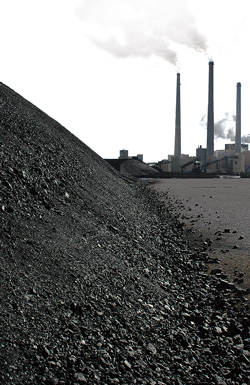
The standoff over mountaintop removal mining is the most serious problem in the coalfields today. Environmentalists and coalfield residents fear they are losing entire forest ecosystems and watersheds, while miners in the coalfields fear they are losing their livelihoods. Yet investments in renewable energy and coal cleanup have the potential to help the region beyond fears into the future.
The response from the coal industry has been an uninspiring and often comic advertising campaign. The public doesn’t buy it. Opinion polls (such as an ABC News/Washington Post poll) show that coal continues to be America’s least favorite energy option.
Some electric utilities are breaking ranks, finding that coal is an unattractive option compared with investments in conservation and renewable energy that entail far less liability and financial risk. As of March of 2010, only 26 percent of the 231 coal-fired power plants originally proposed in the past decade have been built or are under construction. Some 57 percent have been canceled outright, and the rest are uncertain or are on hold, according to a tally kept by the Sierra Club.
Meanwhile, scientists are documenting “irreversible environmental impacts” from mountaintop removal mining, and many studies have shown risk of serious health problems from mining and burning coal and disposing of coal ash waste.
Water protection is a special problem, as Appalachia is the headwaters for much of the water supplies for the eastern half of the nation.
Few are suggesting a sudden end to coal production, but many are proposing a shift to a 21st century economy, with cleaner, safer ways of producing energy and generating employment.
For those who seek a practical approach to clean water, breathable air and ageless mountains for their grandchildren, the stakes are enormous.
Can the Appalachian dilemma become the American example?
Related Articles
Latest News
More Stories

Signs of Life
In the Nantahala National Forest, a team of biologists spotted Indiana bats, an endangered species that hasn’t been seen in North Carolina for the last 11 years.

‘First Line of Defense’
During Hurricane Helene and its aftermath, rural fire departments and other first responder hubs played critical roles in keeping their communities safe, even without power and cut off from outside support for days or weeks after the storm. Two years later, plenty of work remains to ensure these hubs have the resources they need to operate day to day and be ready when emergencies or natural disasters strike.

The Rocky Road — and Bridge — to Recovery
Hurricane Helene is estimated to have damaged nearly 7,000 private roads and bridges in Western North Carolina. Two years later, many restoration projects are complete, but the journey hasn’t been easy — and isn’t over for others.
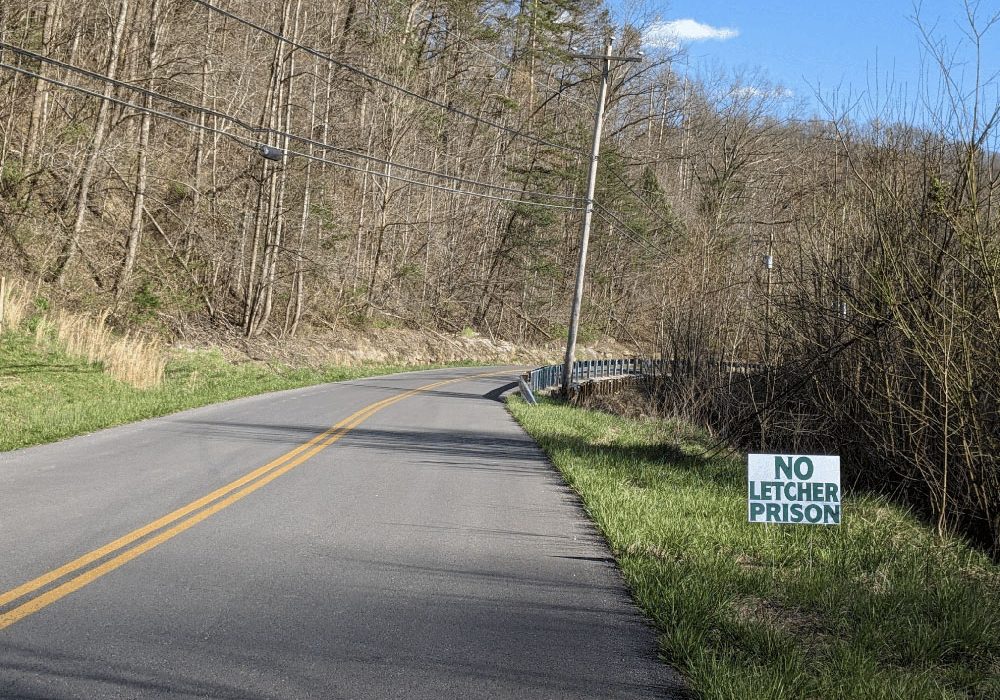
After 20 Years, Letcher County Prison Proposal Is Still Alive, Though Obstacles Remain
A $605 million proposal for a federal prison on a former strip mine site in Letcher County, Kentucky, championed by U.S. Rep. Hal Rogers, refuses to die, despite local opposition, a lack of support from the executive branch and numerous other obstacles.
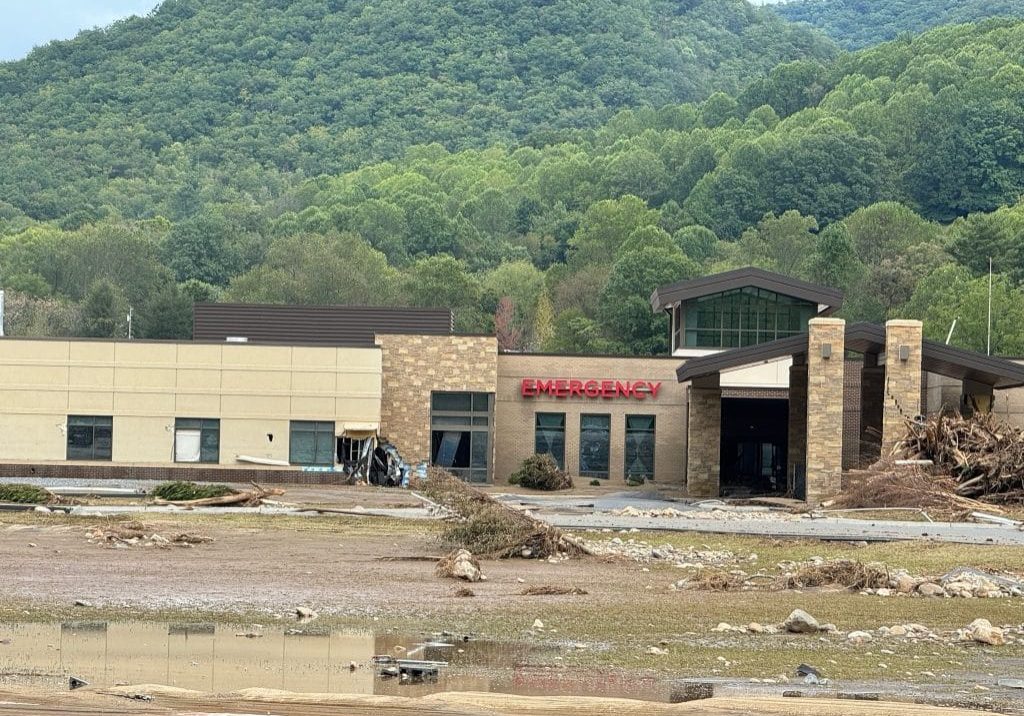
The Washout and Rebuild
For nearly two years, residents of Unicoi County, Tennessee, have had to make do without a hospital after Hurricane Helene destroyed the rural hospital. Ballad Health, which owns the hospital, broke ground on a new location — in another floodplain — in August 2026.

The Shenandoah Salamander
The Shenandoah salamander is a woodland salamander, which has adapted to life at higher elevations away from water. This sparkling rarity lives among the dry leaves, cracked logs, and stony hillocks on the highest peaks of Shenandoah National Park.

Leave a comment
Your email address will not be published. Required fields are marked *
Leave a Comment