

Citizens Group Critical of TVA Information and Sampling Procedures
By Maureen Halsema
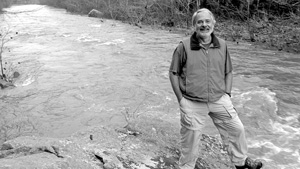
Steve Scarborough, a member of RCAG, has concerns about insufficient water sampling methods by TVA. Photo by Maureen Halsema.
Almost a year after the coal ash disaster at the TVA plant in Kingston, a citizens advisory group says they are unhappy with TVA’s information and water sampling procedures.
“This is a horrible economic and environmental situation that we are in,” said Steve Scarborough, Roane County Community Advisory Group (RCAG) spokesman and a veteran of conservation advisory groups.
“We are concerned about how they will clean it up, where the ash goes and how it goes through Roane County,” he said.
Among other issues, the RCAG thinks that even basic information from TVA is a problem.
“We are seriously concerned, and have called into question, the practice of allowing TVA to review Tennessee Department of Environment and Conservation (TDEC), EPA, and Tennessee Department of Health documents prior to their release to the public for comment,” Scarborough said.
In addition, RCAG has critically examined TVA’s methodology for sampling data.
“Samples have not been taken at high flows on the Emory River when the greatest contaminant loads would be present,” Scarborough said. “Water quality data is incomplete and does not give an accurate picture of heavy metal contaminant discharges, and we think understates them.”
RCAG serves several purposes for both Roane County community members and for the agencies involved to help deal with the cleanup of the “hazardous substances” that are found in coal ash.
Community advisory groups are part of EPA “Superfund” (CERCLA ) process, and need to be involved in the decision-making
process for waste-cleanup areas.
RCAG’s group is comprised of individuals that volunteer to represent the interests of Roane County and serve as a medium through which the community’s concerns and needs can be communicated to and addressed by the EPA, TDEC, and TVA. RCAG is also a channel through which these agencies can effectively communicate information to the community.
“We expressed our concerns with the lack of effective communication from TVA on a number of subjects,” Scarborough said. “As a result, TVA has made a renewed effort to get information to the public. Even though this is a work in progress and far from perfect, progress has certainly been made. “
RCAG has presented and addressed multiple problems that have impacted the community since the spill, such as traffic flow, relations with law enforcement in the Swan Pond community, plans for rerouting the train to ease traffic delays, and exposing inconsistencies in sampling methodology.
“The RCAG is also concerned about TVA as lead agency,” Scarborough said, “and would prefer that TVA be removed as lead agency due to failures such as water sampling irregularities and questions on air quality measurements as well.”
Related Articles
Latest News
More Stories
Signs of Life
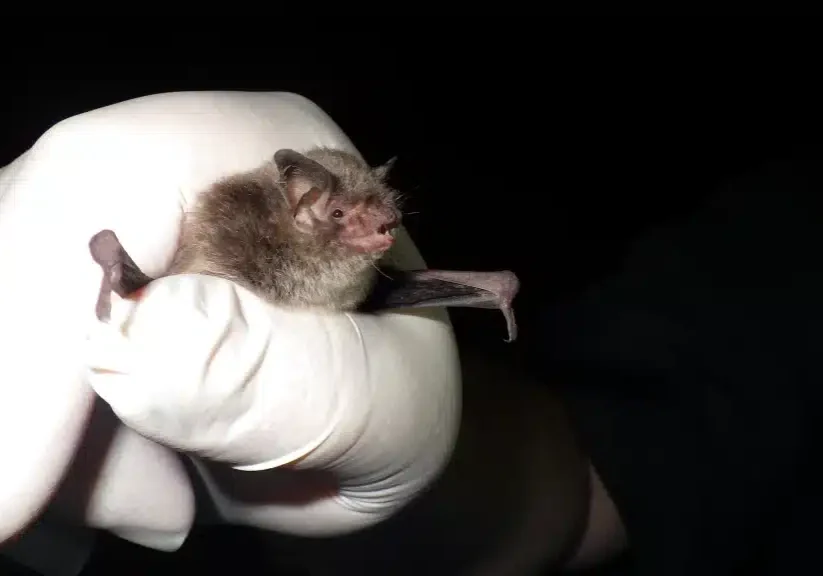
In the Nantahala National Forest, a team of biologists spotted Indiana bats, an endangered species that hasn’t been seen in North Carolina for the last 11 years.

‘First Line of Defense’
During Hurricane Helene and its aftermath, rural fire departments and other first responder hubs played critical roles in keeping their communities safe, even without power and cut off from outside support for days or weeks after the storm. Two years later, plenty of work remains to ensure these hubs have the resources they need to operate day to day and be ready when emergencies or natural disasters strike.

The Rocky Road — and Bridge — to Recovery
Hurricane Helene is estimated to have damaged nearly 7,000 private roads and bridges in Western North Carolina. Two years later, many restoration projects are complete, but the journey hasn’t been easy — and isn’t over for others.
After 20 Years, Letcher County Prison Proposal Is Still Alive, Though Obstacles Remain
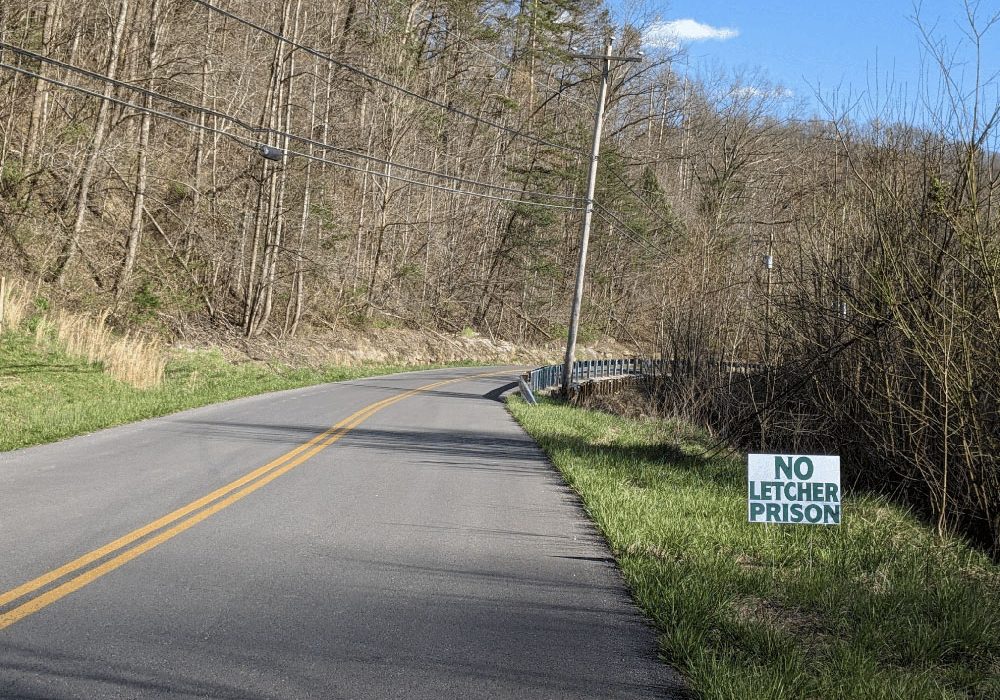
A $605 million proposal for a federal prison on a former strip mine site in Letcher County, Kentucky, championed by U.S. Rep. Hal Rogers, refuses to die, despite local opposition, a lack of support from the executive branch and numerous other obstacles.
The Washout and Rebuild
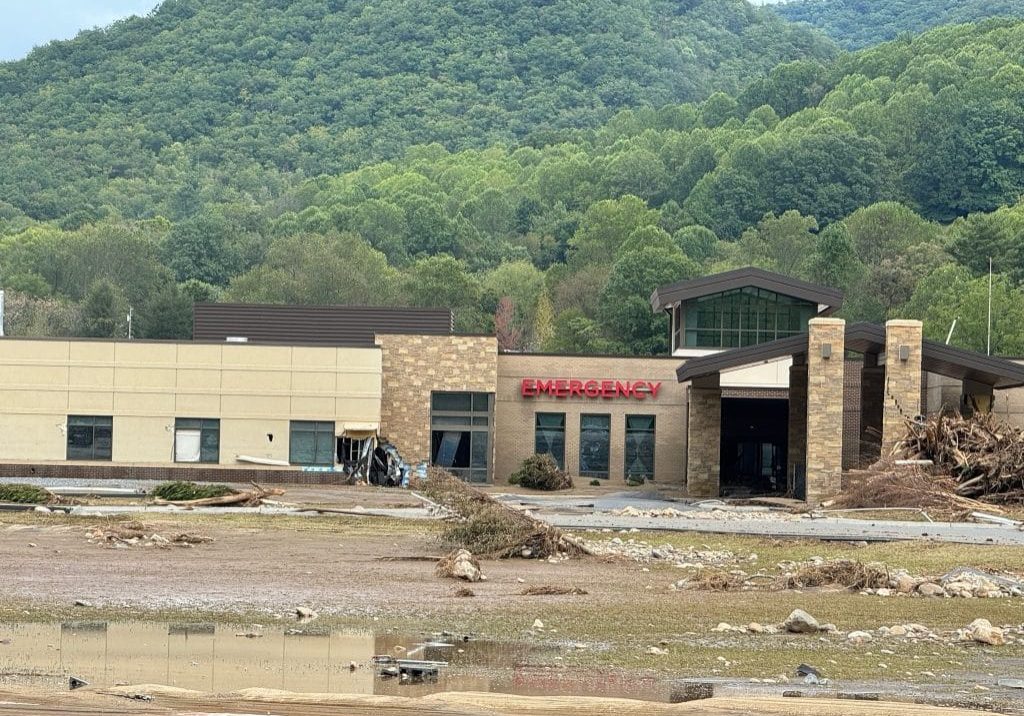
For nearly two years, residents of Unicoi County, Tennessee, have had to make do without a hospital after Hurricane Helene destroyed the rural hospital. Ballad Health, which owns the hospital, broke ground on a new location — in another floodplain — in August 2026.
The Shenandoah Salamander
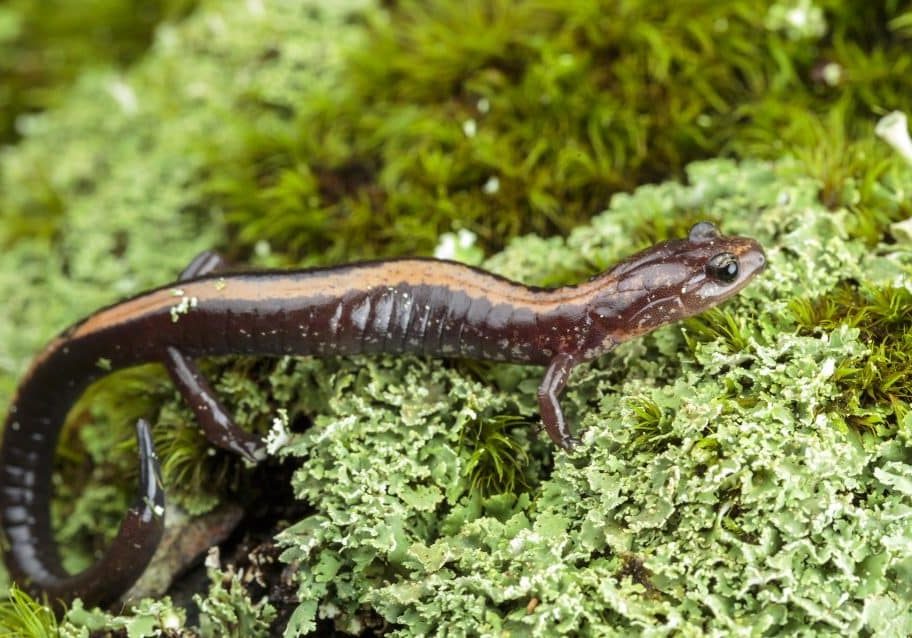
The Shenandoah salamander is a woodland salamander, which has adapted to life at higher elevations away from water. This sparkling rarity lives among the dry leaves, cracked logs, and stony hillocks on the highest peaks of Shenandoah National Park.

Leave a comment
Your email address will not be published. Required fields are marked *
Leave a Comment