

It’s the Water, Stupid
By Harvard Ayers
Harvard Ayers is a professor of Anthropology at Appalachian State University and a founding Board Member of Appalachian Voices.
Appalachia has long been the source of water for vast areas both east and west of our region. From points east to the Atlantic to points west to the Mississippi River, our once clear, pristine mountain streams have provided a critical resource for millions of
Easterners. For all downstream uses, as goes the water in Appalachia, so goes the water for everyone.
Recently, Appalachian Voices initiated our first ever mountain river protection program with the hiring of experienced river advocate, Donna Lisenby. Donna has launched our Watauga Riverkeeper program, a part of the international Waterkeeper Alliance, which has riverkeepers, baykeepers, covekeepers and the like all across North America and many foreign countries.
This wonderful new program marks the first time Appalachian Voices has turned it focus squarely on our region’s waterways. In my mind, it’s about time. For all our concerns from sustainable forestry, to coal fired power plants, to mountaintop removal, water plays a critical role. For instance, with mountaintop removal, waterways are not just affected, but are, in some cases, completely destroyed. Water use by coal fired power plants is huge. In these two instances, water quality and quantity provide a legal handle in opposing these broadly impactful processes.
Thus, the Watauga Riverkeeper may be only the first. Imagine a riverkeeper for the rivers in the Appalachian coalfields, where over 1000 miles of small streams have been buried under hundreds of feet of MTR overburden, and water quality is heavily impacted by the effluent from coal processing plants. Any applicants for the Big Coal Riverkeeper?
Appalachian Voices has long thought of itself as a one-stop-shopping destination for environmental protection. Our riverkeeper program makes that claim all more the better.
Related Articles
Latest News
More Stories

Signs of Life
In the Nantahala National Forest, a team of biologists spotted Indiana bats, an endangered species that hasn’t been seen in North Carolina for the last 11 years.

‘First Line of Defense’
During Hurricane Helene and its aftermath, rural fire departments and other first responder hubs played critical roles in keeping their communities safe, even without power and cut off from outside support for days or weeks after the storm. Two years later, plenty of work remains to ensure these hubs have the resources they need to operate day to day and be ready when emergencies or natural disasters strike.

The Rocky Road — and Bridge — to Recovery
Hurricane Helene is estimated to have damaged nearly 7,000 private roads and bridges in Western North Carolina. Two years later, many restoration projects are complete, but the journey hasn’t been easy — and isn’t over for others.
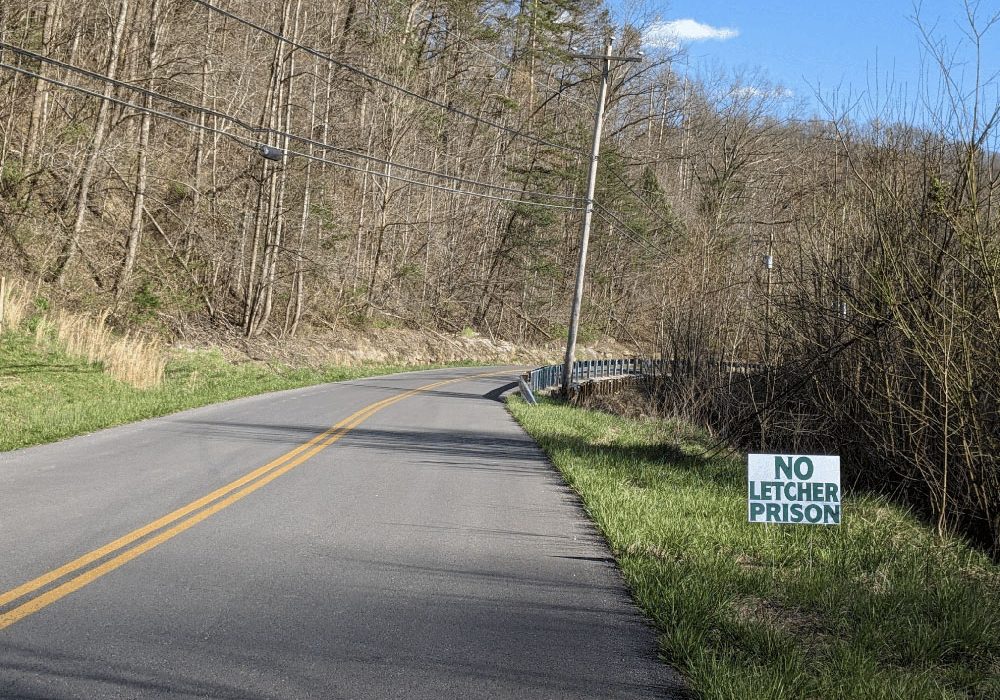
After 20 Years, Letcher County Prison Proposal Is Still Alive, Though Obstacles Remain
A $605 million proposal for a federal prison on a former strip mine site in Letcher County, Kentucky, championed by U.S. Rep. Hal Rogers, refuses to die, despite local opposition, a lack of support from the executive branch and numerous other obstacles.
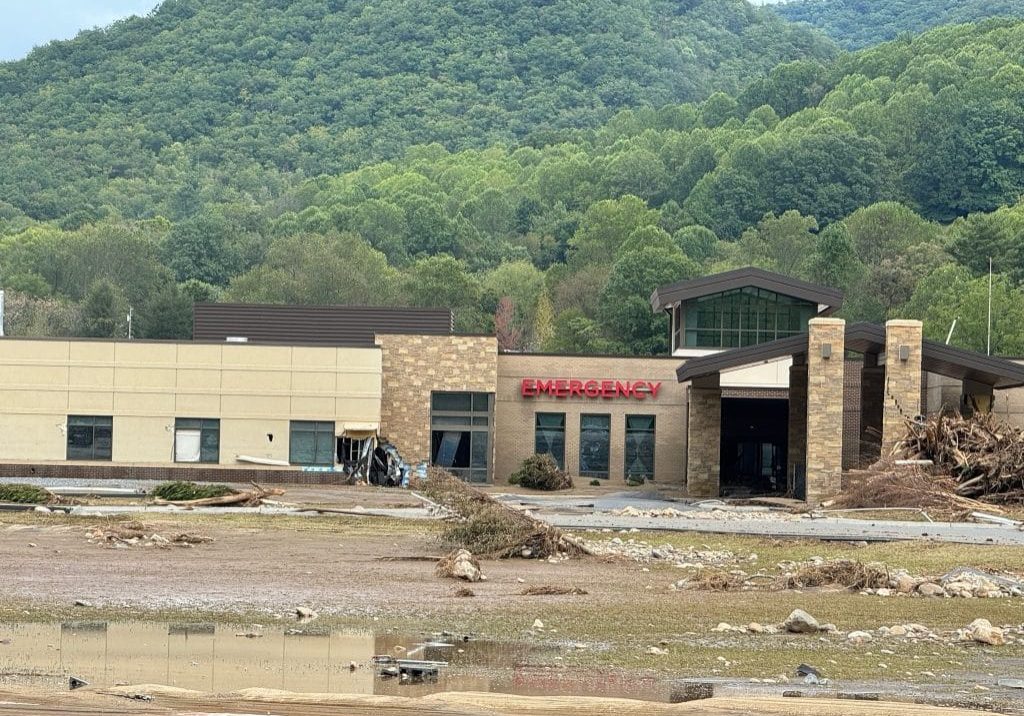
The Washout and Rebuild
For nearly two years, residents of Unicoi County, Tennessee, have had to make do without a hospital after Hurricane Helene destroyed the rural hospital. Ballad Health, which owns the hospital, broke ground on a new location — in another floodplain — in August 2026.
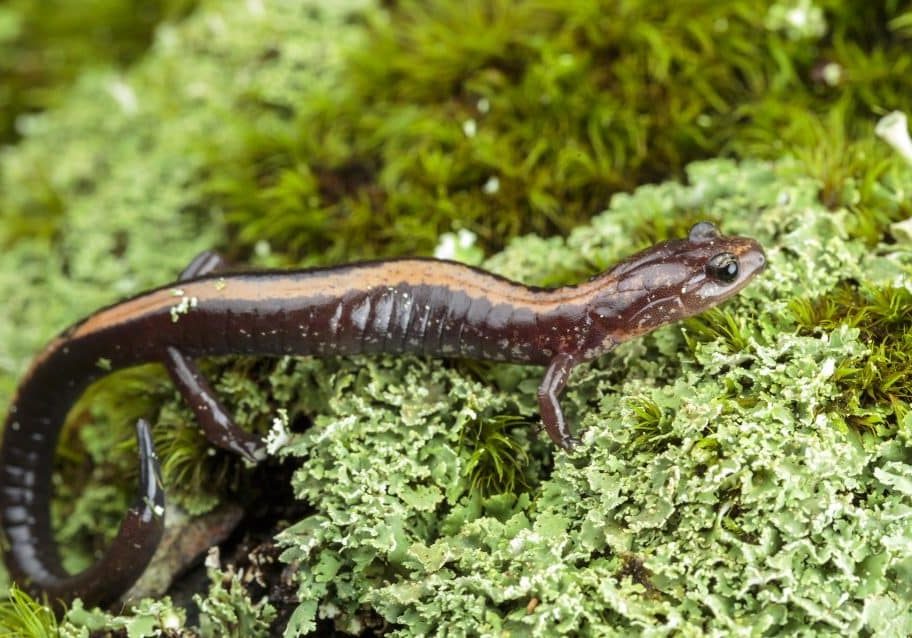
The Shenandoah Salamander
The Shenandoah salamander is a woodland salamander, which has adapted to life at higher elevations away from water. This sparkling rarity lives among the dry leaves, cracked logs, and stony hillocks on the highest peaks of Shenandoah National Park.

Leave a comment
Your email address will not be published. Required fields are marked *
Leave a Comment