

Energy by and for the people
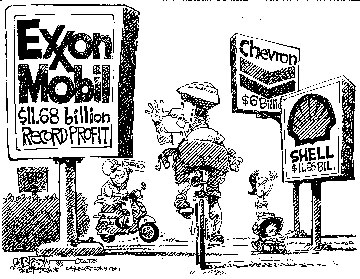
Public opinion polls are showing a serious problem with the debate over our future sources of energy: the American people strongly agree on solutions.
Well over 80 percent of Americans consistently agree on renewable energy and conservation. In poll after poll, people strongly approve of the idea of building a sustainable future for their children. They also want America to lead in the kinds of renewable energy technologies that will make this a better world.
A majority favor conservation, solar, wind, hydro, and biofuels. But most Americans dont want new coal or nuclear power plants.
Whatís the problem? In a democracy, when the public strongly agrees on something, public servants should be scrambling to make it so.
And yet, the utility industry and the government have managed to invert their priorities. Coal and nuclear power dominate their plans for our future. There are almost no serious efforts at conservation, and only tiny efforts focused on solar wind or hydro.
What does this enormous gap show? Is it a reflection on the state of our democracy, or the lack of leadership in government, or the lack of innovation in industry, or the potential force behind a consumer revolution?
Our vote goes to all of the above, but one thing stands out. The American people will insist on the right choice.
Pity the fools who try to stand in the way.
Winds of change on Coal River
As this issue of Appalachian Voice goes to press, Co-op America has announced that this year’s Building Economic Alternatives Award will go to the Coal River Mountain Wind Project.
The award recognizes the project’s “determination to harness economic action for a better world — using the jobs created by a renewable energy project to save a mountain ecosystem and mountain communities.”
The award also highlights the difference between an emerging vision of a strong, healthy Appalachian economy and the devastation that the coal and oil industries would impose.
Given fuel prices at the pump and our deer-in-the-headlights federal energy policy, its clear that we need to lift our visions and our voices once again. It’s clear we need to create an energy policy as if people and the future mattered.
We’re not on unfamiliar ground. This happened in WWII , when American soldiers were so frequently called on to act independently. It happened in the Civil Rights movement, when Southerners longed for a future without hate.
And it is happening now, as we begin to envision a future for our children and grandchildren that doesnt depend on the ruthless and immoral devastation of God’s creation.
The nation is well served by efforts like the Coal River Wind Project. It has shown that independence of thought and spirit is THE renewable resource in America.
Related Articles
Latest News
More Stories
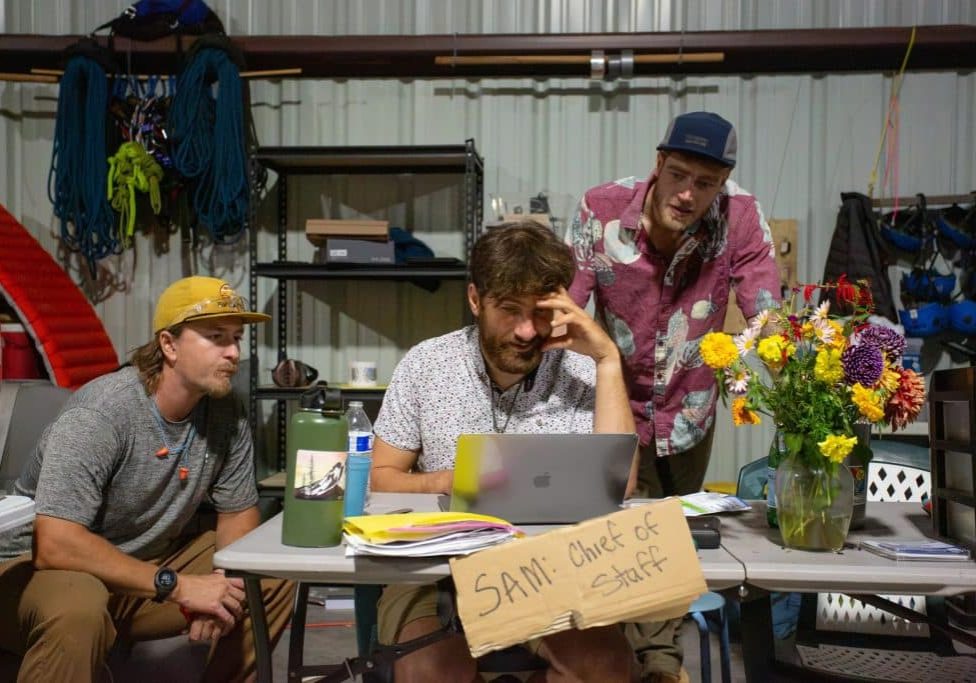
Neighbors Help Neighbors
A photo essay that celebrates the volunteer spirit of the grassroots group Hurricane Helene WNC and speaks to the resourcefulness, collaboration and hard work embodied by thousands and thousands of volunteers, first responders and aid workers across the region after Hurricane Helene.
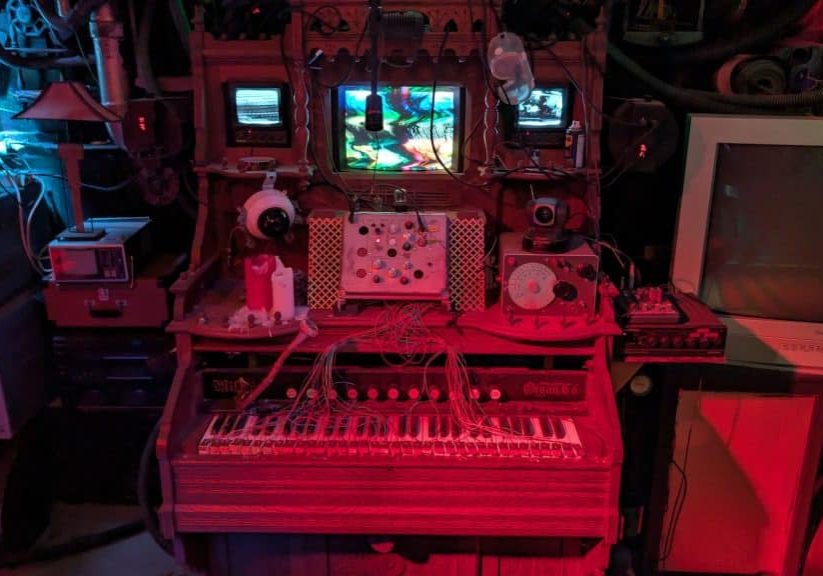
Halloween Approaches, and Night School Is in Session
The House of Art in Bluefield, West Virginia, looks like a haunted tower, making it the perfect location for its sixth annual haunt event: Night School. The Night School will be open every Friday and Saturday night through Oct. 31.
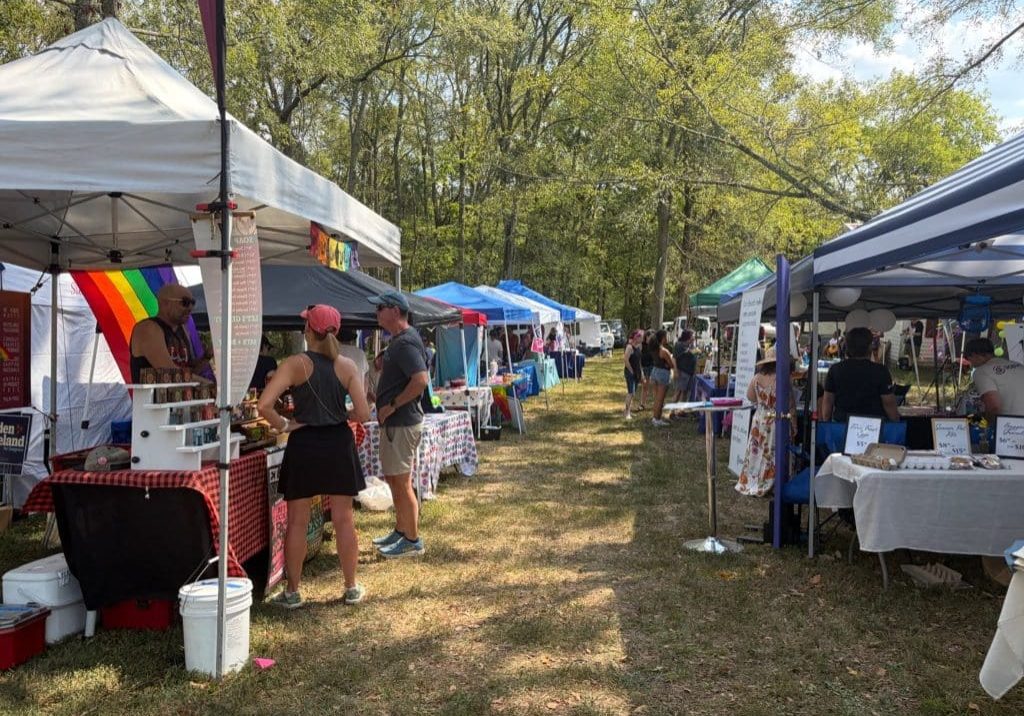
‘The Most Perfect Act of Love’
Hundreds of people attended the second annual Affirming Sumner Pride celebration on a 24-acre farm dubbed “Fruity Farm” in Bethpage, Sumner County, Tennessee.

Signs of Life: Endangered Bats Found in Nantahala for First Time in More Than a Decade
In the Nantahala National Forest, a team of biologists spotted Indiana bats, an endangered species that hasn’t been seen in North Carolina for the last 11 years.
‘First Line of Defense’
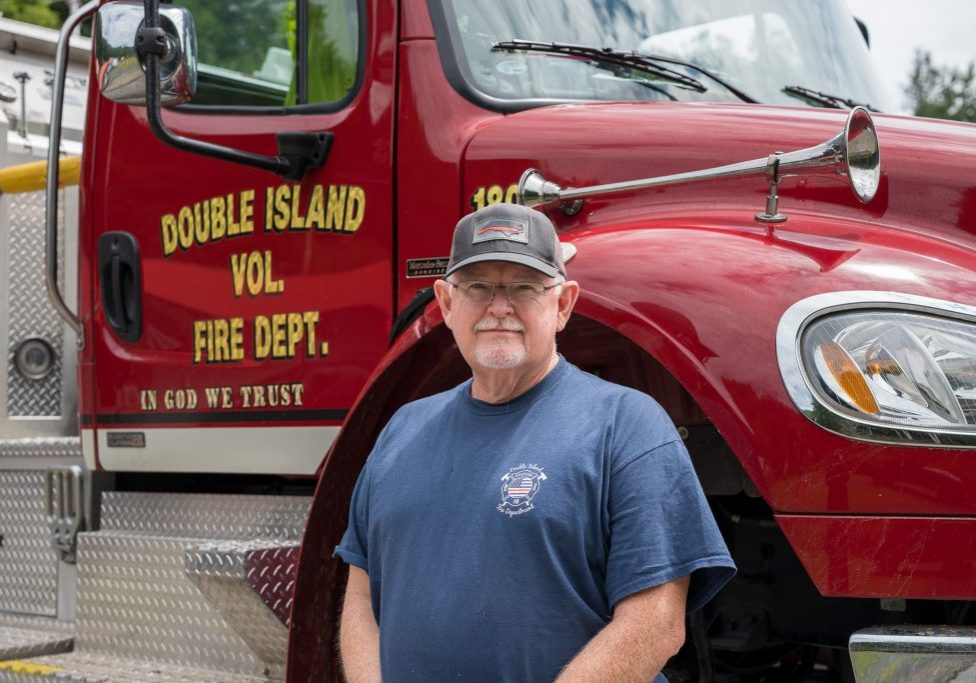
During Hurricane Helene and its aftermath, rural fire departments and other first responder hubs played critical roles in keeping their communities safe, even without power and cut off from outside support for days or weeks after the storm. Two years later, plenty of work remains to ensure these hubs have the resources they need to operate day to day and be ready when emergencies or natural disasters strike.
The Rocky Road — and Bridge — to Recovery
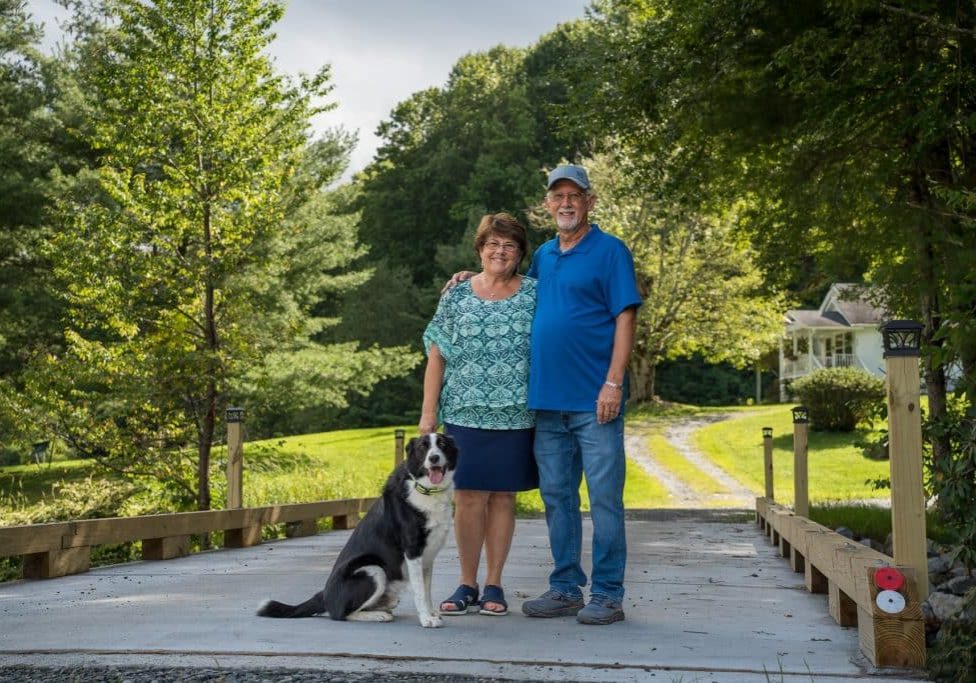
Hurricane Helene is estimated to have damaged nearly 7,000 private roads and bridges in Western North Carolina. Two years later, many restoration projects are complete, but the journey hasn’t been easy — and isn’t over for others.

Leave a comment
Your email address will not be published. Required fields are marked *
Leave a Comment