

Brasstown Bald, Georgia: Species sighted here include Canada warbler, black-throated blue warbler, rose-breasted grosbeak, blackburnian warbler, scarlet tanager, and blue-headed vireo, ravens, and winter wrens.
Mount Mitchell, North Carolina: There has been massive and visible die-off of Fraser Fir here, making the mountaintop home to birds that prefer shrubs and thickets like the hermit thrush, winter wrens, chestnut-sided warblers, Canada warblers, and yellow-bellied sapsuckers.
Alum Cave Bluffs, Great Smoky Mountains National Park: A five-mile trek from Newfound Gap Road to the summit of Mount LeConte at 6,593 feet, where one can see high elevation species like the black-throated blue warbler, black-capped chickadees, and nesting peregrine falcons.
Cranberry Glades Botanical Area, Monangahela National Forest, West Virginia: An easy boardwalk path over high elevation cranberry bogs and through tangled rhododendron thickets will offer sightings of northern warblers and flycatchers
.
Cade’s Cove, Great Smoky Mountains National Park:
The cove is home to woodland species like wild turkeys as well as field dwelling birds like northern bobwhites, mourning doves, barn swallows, and eastern bluebirds. Cade’s Cove’s sewage ponds often attract water birds, including great blue herons, a variety of ducks, and black-crowned night herons.
Chimney Rock Park, North Carolina: The Hickory Nut Falls Trail may offer views of black-throated blue warblers, rose-breasted grosbeaks, solitary vireo, and Swainson’s warblers.
Highland County, Virginia: With a mix of high elevation spruce pine similar to the environment of Canada and sweeping valleys more common to southern ecosystems, Highland is a hotbed of bird activity, especially in spring. In the Laurel Fork/Locust Springs area in the county’s northwest corner one may see golden-crowned kinglets, and three varieties of warbler known to nest nowhere else in Virginia—the golden-winged warbler, the mourning warbler, and the magnolia warbler.
Big Meadows, Shenandoah National Park: Here birders will find a variety of grassland species and middle elevation birds like downy woodpeckers, pileated woodpeckers, cedar waxwings, indigo buntings, and northern flickers.
Related Articles
Latest News
More Stories
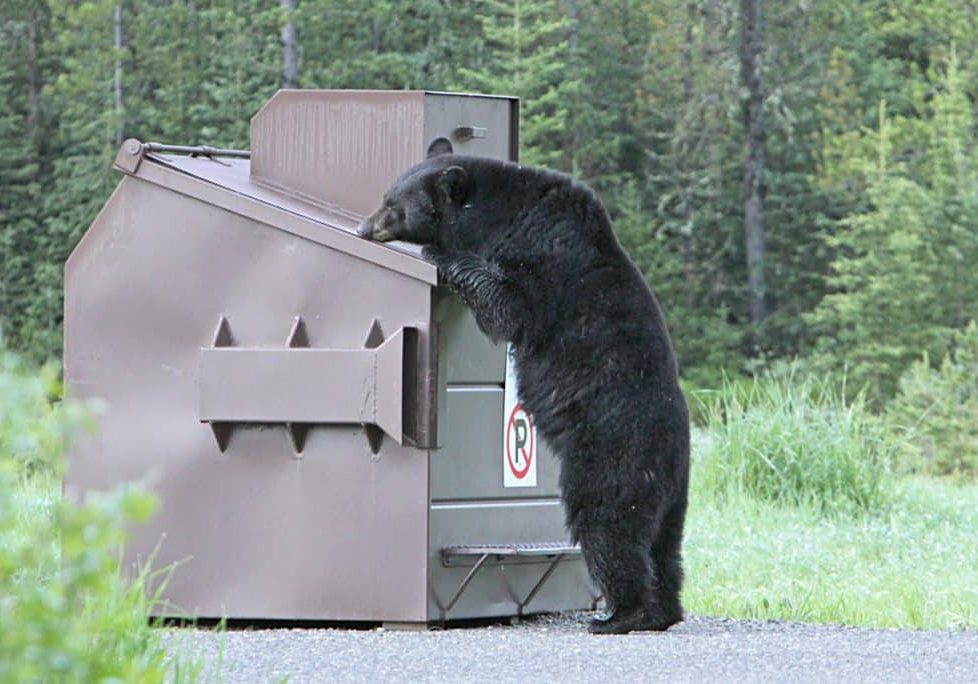
Increasing Human-Bear Conflict Prompts Legislation, Need for More Public Awareness
Experts report human-bear conflicts are on the rise in Western North Carolina, East Tennessee and other parts of the country due to an increasing bear population, development encroaching on bear habitat and other factors.
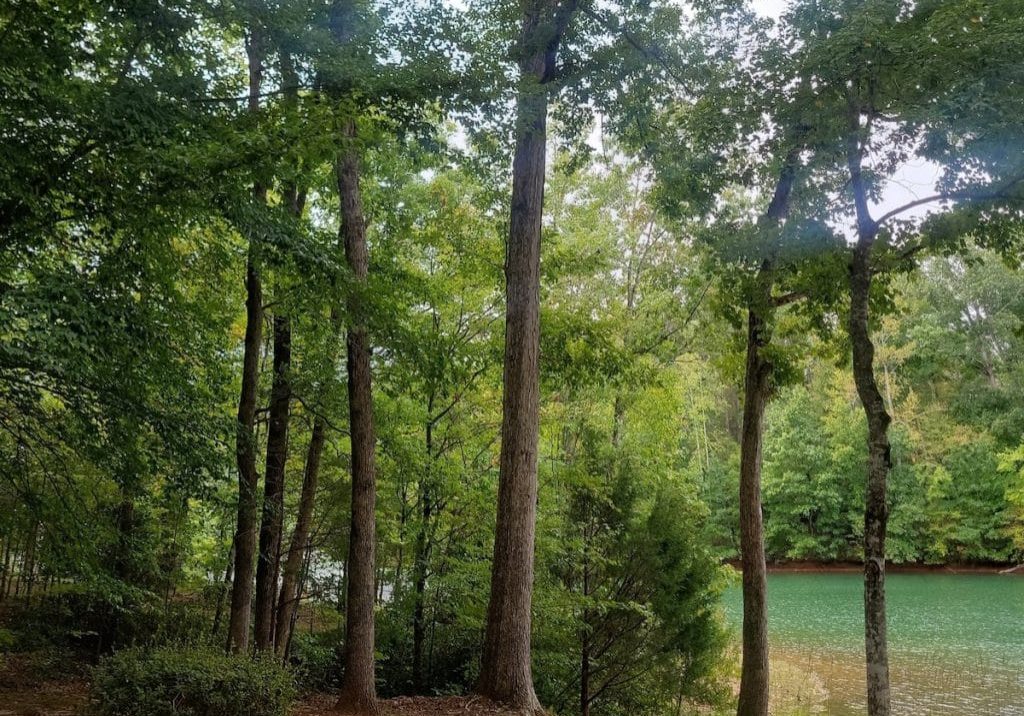
Planting for the Grandkids
Gardening from memory is getting trickier in Appalachia as hardiness zones change. Some areas, like parts of Asheville, Knoxville and Johnson City, have shifted full hardiness zones since 1990. An arborist explains what this shift means for the trees you plant this fall, and for the grandchildren who’ll live with them.

Ridgeline Pipeline Construction Impacts in Rural East Tennessee
Neighbors share concerns about noise, unpredictable construction schedules and other disruptions due to methane gas pipeline construction in East Tennessee.

Neighbors Help Neighbors
A photo essay that celebrates the volunteer spirit of the grassroots group Hurricane Helene WNC and speaks to the resourcefulness, collaboration and hard work embodied by thousands and thousands of volunteers, first responders and aid workers across the region after Hurricane Helene.

Halloween Approaches, and Night School Is in Session
The House of Art in Bluefield, West Virginia, looks like a haunted tower, making it the perfect location for its sixth annual haunt event: Night School. The Night School will be open every Friday and Saturday night through Oct. 31.
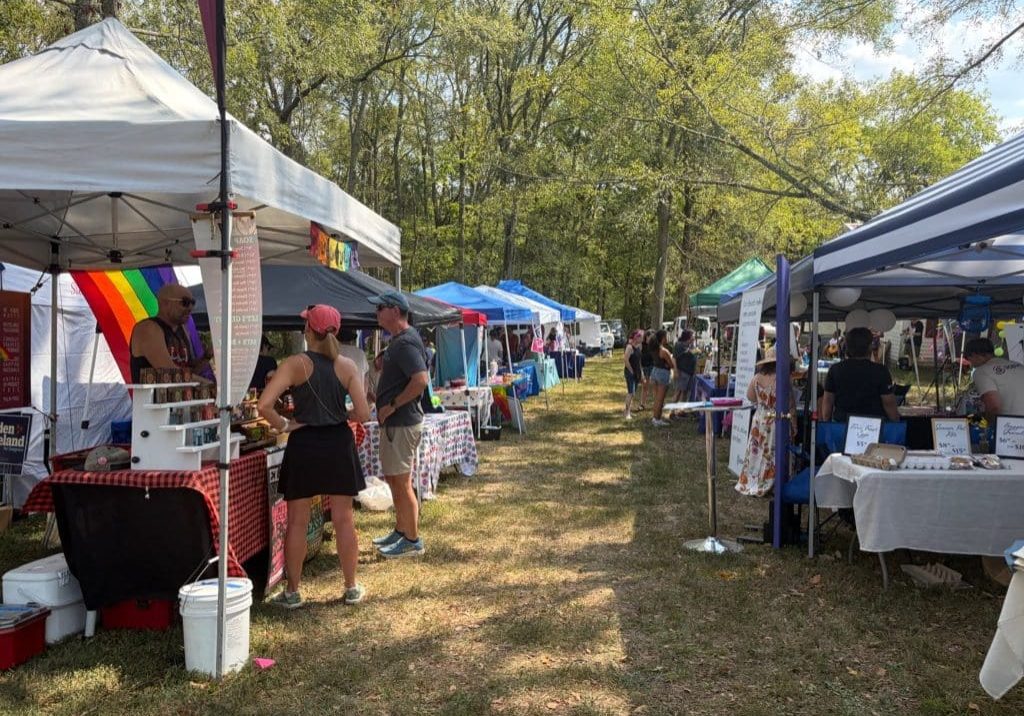
‘The Most Perfect Act of Love’
Hundreds of people attended the second annual Affirming Sumner Pride celebration on a 24-acre farm dubbed “Fruity Farm” in Bethpage, Sumner County, Tennessee.

Leave a comment
Your email address will not be published. Required fields are marked *
Leave a Comment