

Support Grows for Mine Reclamation Bill
As of mid-February, seven Southwest Virginia localities passed resolutions calling on the state’s federal representatives to support reauthorization of a funding program for reclamation of abandoned coal mines. In Pennsylvania, 20 counties and four municipalities have passed similar resolutions, and related efforts are underway in other Appalachian states.
Since 1977, coal companies have paid a fee on each ton of coal mined to the U.S. Office of Surface Mining Reclamation and Enforcement, which funds the Abandoned Mine Land program. Through this program, the government distributes funds to states and tribes to reclaim coal mines that were abandoned prior to the 1977 federal surface mining law.
The AML program has paid for more than $5.7 billion worth of projects nationwide, reclaiming nearly 800,000 acres of damaged land and waters. Despite this, an estimated $10.6 billion in reclamation remains, and that estimate is likely low.
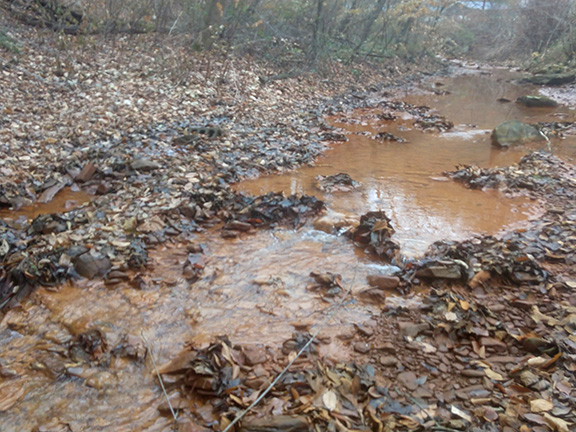
Lens Creek runs through southern Kanawha County, W.Va. It is impacted by numerous abandoned mine features including an unreclaimed refuse dump, open portals, and contaminated drainage. Photo by Willie Dodson
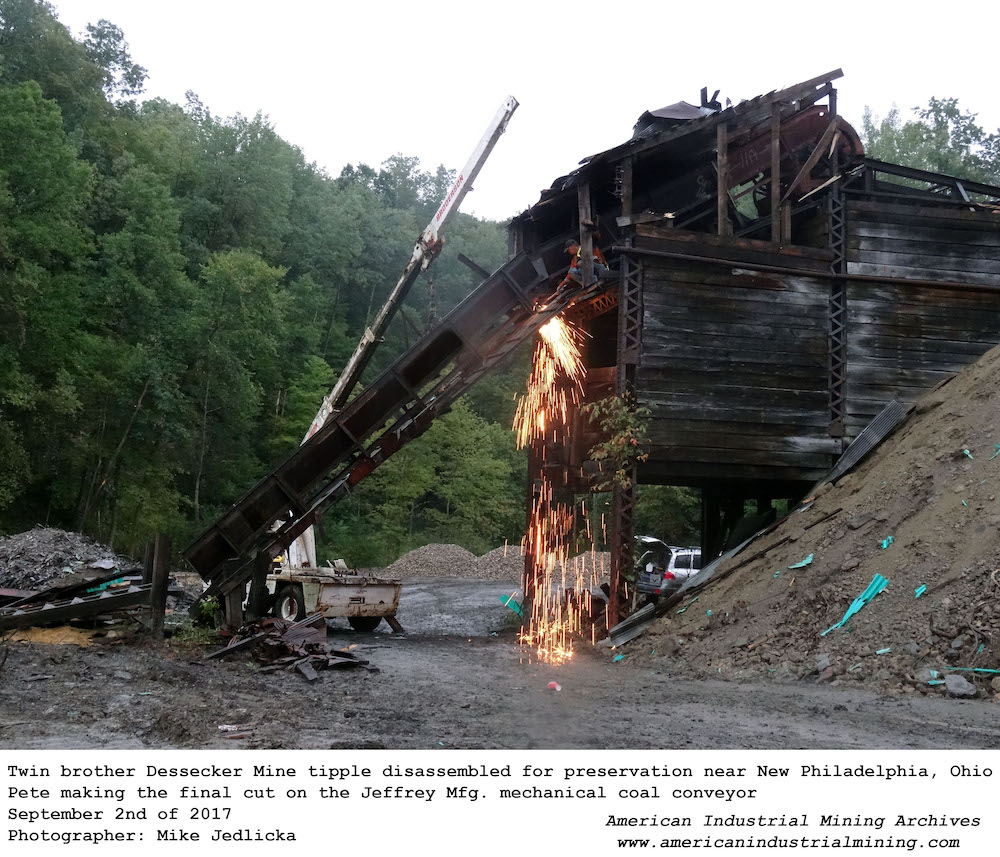
One of the many sites that has benefited from the AML program is the Dessecker Mine Project in Tuscarawas County, Ohio. The land, which is owned by the nonprofit Camp Tuscazoar Foundation and the Boy Scouts of America, faced several threats from historic mining including open mine portals and water polluted by acid mine drainage. After being awarded $702,000 in AML funds, the state sealed the open portals, removed hundreds of tons of debris and more.
If the AML fund is not reauthorized before September 2021, more abandoned mine problems such as those at Squirrel Camp Branch in Dickenson County, Va., would go unaddressed. First reported to regulators in 1985, Squirrel Camp’s estimated $2.35 million in cleanup costs include removing a dangerous highwall and closing open mine portals.
“Reauthorizing the Abandoned Mine Land fee would undoubtedly benefit Dickenson County,” says Pierceton Hobbs of Clintwood, Va. “We have to support these efforts, or we’ll continue to have polluted streams, dangerous highwall cliffs and a plethora of other problems.”
To learn more, visit the website ReclaimingAppalachia.org/reauthorization.
Related Articles
Latest News
More Stories

English Language Learning in Appalachia
Learning English is always difficult. But current aggressive approaches to immigration policy are creating more barriers for learners and the programs that serve them than ever before in Appalachia and beyond.
Landfill Drama
Many residents of Pike County, Kentucky, are breathing a sigh of relief since county commissioners finalized their decision to rescind a contract with an out-of-state waste management company.
Overdrive: Fossil Fuels in Appalachia
Electricity demand is on the rise. Here, we share snapshots of energy trends in the region and how methane gas, coal and data centers are affecting our communities — and how people are pushing back.
Less Support for Communities with Mine Problems
The Trump administration issued a regulation to weaken the Ten Day Notice process that helps community members call in federal enforcement when state regulators don’t do a good job policing environmental problems at coal mines
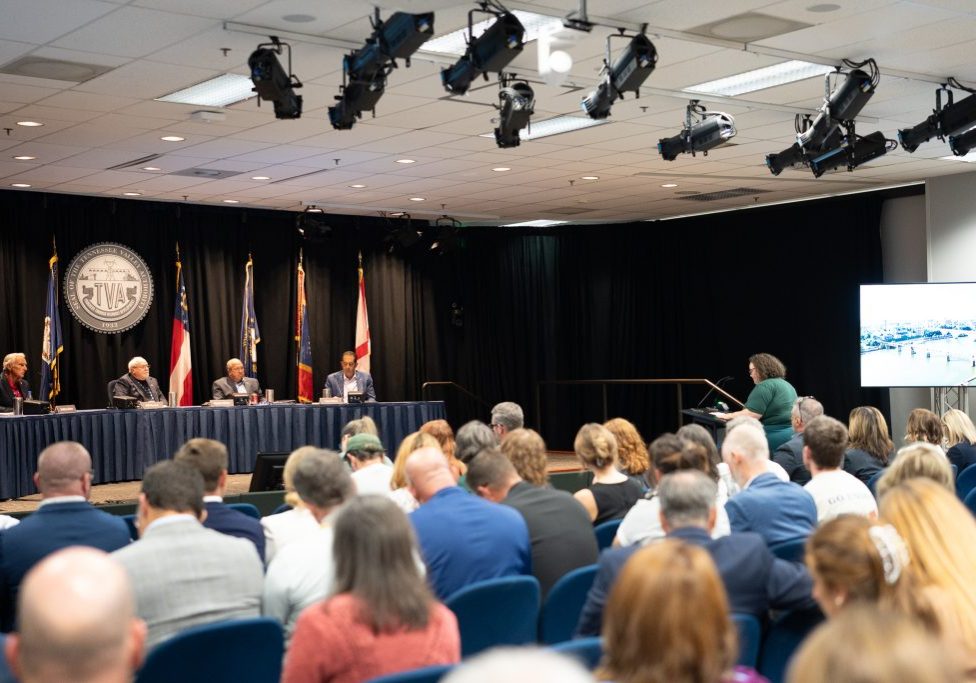
Chaos at the Tennessee Valley Authority, Cuts to Public Input
The past year has brought turmoil and uncertainty to the Tennessee Valley Authority, the nation’s largest public power provider, and its more than 10 million customers across the Tennessee Valley.

Landmark Coal Ash Protections Under Attack
The U.S. Environmental Protection Agency is planning to eviscerate important, hard-won regulations on coal ash, a toxic waste left after burning coal for energy.

Leave a comment
Your email address will not be published. Required fields are marked *
Leave a Comment