

Test Results from TVA Ash Spill Warn of Serious Environmental Impacts
Story by Sarah Vig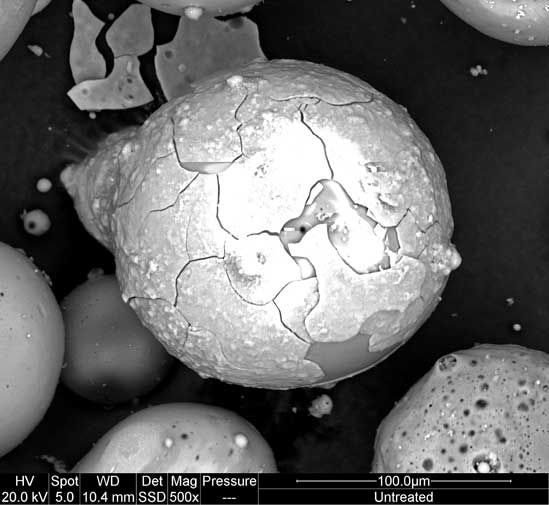
A respected team of scientists and water quality experts from North Carolina and Tennessee recently released a report analyzing water, sediment, and fish tissue samples taken near the site of the 1 billion gallon coal ash spill that occurred in Harriman, Tenn. last December. The report’s authors include Upper Watauga Riverkeeper Donna Lisenby, Appalachian State University faculty members Dr. Shea Tuberty and Dr. Carol Babyak, Dr. Anna George of the Tennessee Aquarium, and Wake Forest University professor and widely recognized selenium expert Dr. Dennis Lemly. The report shows a number of serious impacts on the water quality of the river ecosystem.
Lisenby, Tuberty and Babyak were among the first to release independent testing results after the disaster occurred (see our coverage in the Feb/March issue, available online at www.appalachianvoices.org). The data they obtained from their initial samples showed much higher levels of a number of toxic heavy metals than the data being released by TVA, leading them to request permits for further testing and partner with the Tennessee Aquarium for sample collection.
Their second round of testing was much more extensive, and included water sampling at seven sites, sediment collection, and tissue sampling of collected fish. The sample analysis indicates that the effects of the ash spill on water quality and aquatic ecosystems are serious and will probably continue to grow.
The report drew three major conclusions from each of their sample categories. First, they found several heavy metals–arsenic, barium, cadmium, chromium, copper, nickel, lead, selenium and thallium–in the water in concentrations that exceed protective drinking water standards and/or criteria levels for aquatic life.
Second, electron scanning microscope images of the cenospheres (pictured above)–floating coal ash particles, which TVA has insisted are “harmless”–show a layer of what the report calls “secondary mineralization gel coating” encasing the particle; this hardened outer layer contains arsenic levels equivalent to 20,000 to 30,000 parts per million.
Finally, in their analysis of fish tissue they found elevated levels of selenium, a dangerous heavy metal responsible for birth defects and stunted development in aquatic life. According to the report, “the aquatic life in the river may be on the threshold of a toxic event.” This result is especially striking, as the samples were taken before the full window for bio-accumulation (typically 30 days after introduction) had passed, meaning that as selenium levels in the water rise due to the massive introduction of coal fly ash, the river ecosystem may cross the toxic threshold and see much more drastic changes as the metal bio-accumulates up the food chain.
The effects on aquatic life were also apparent in the team’s harrowing observations from on the water. They found fishes’ gills clogged with ash, and upon dissection found that ash had clogged the entire digestive system. One specimen cited in the report had so much ash in its system that ash comprised 7.7 percent of its body weight.
Information from the report has already been used in testimony from Renee Hoyos of Tennessee Clean Water Network during the March 31 hearing on the issue in front of the U.S. House Water Resources subcommittee. The report proves the need for ongoing study of and attention to the impacts of the disastrous spill.
Related Articles
Latest News
More Stories

English Language Learning in Appalachia
Learning English is always difficult. But current aggressive approaches to immigration policy are creating more barriers for learners and the programs that serve them than ever before in Appalachia and beyond.

Landfill Drama
Many residents of Pike County, Kentucky, are breathing a sigh of relief since county commissioners finalized their decision to rescind a contract with an out-of-state waste management company.
Overdrive: Fossil Fuels in Appalachia
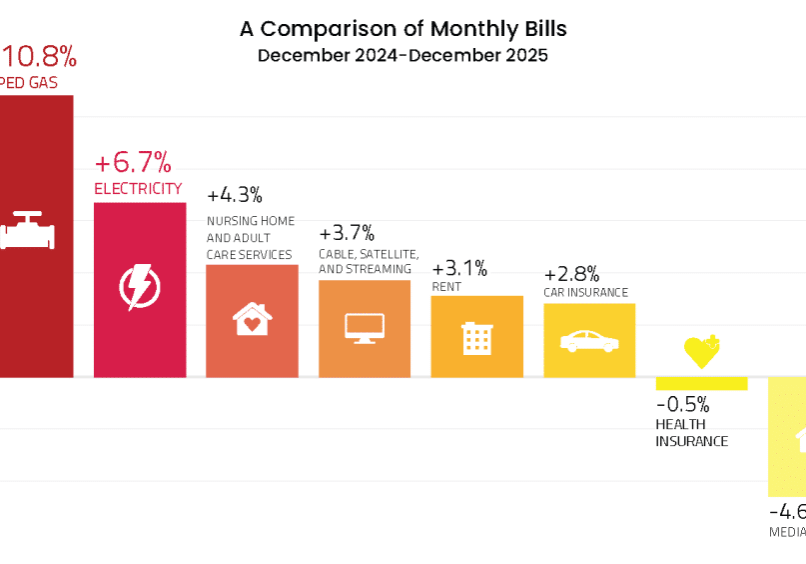
Electricity demand is on the rise. Here, we share snapshots of energy trends in the region and how methane gas, coal and data centers are affecting our communities — and how people are pushing back.
Less Support for Communities with Mine Problems
The Trump administration issued a regulation to weaken the Ten Day Notice process that helps community members call in federal enforcement when state regulators don’t do a good job policing environmental problems at coal mines
Chaos at the Tennessee Valley Authority, Cuts to Public Input
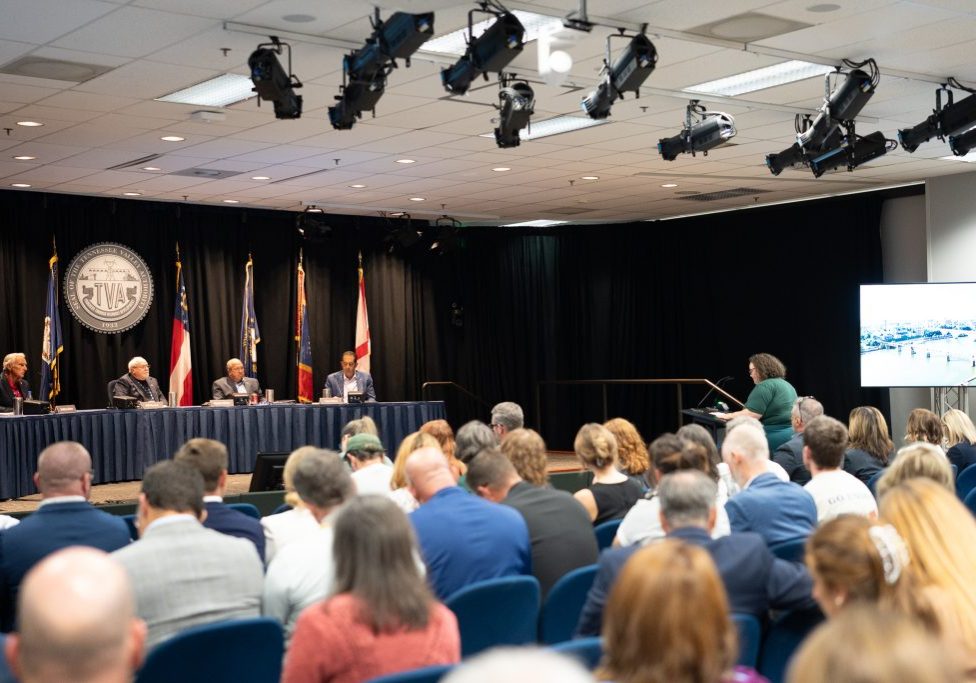
The past year has brought turmoil and uncertainty to the Tennessee Valley Authority, the nation’s largest public power provider, and its more than 10 million customers across the Tennessee Valley.

Landmark Coal Ash Protections Under Attack
The U.S. Environmental Protection Agency is planning to eviscerate important, hard-won regulations on coal ash, a toxic waste left after burning coal for energy.

Leave a comment
Your email address will not be published. Required fields are marked *
Leave a Comment