

Naturalist’s Notebook
Celebrating Appalachia’s magnificent biodiversity

![“The hooded warbler is what I call my spark bird, which is [the bird that] gets you into birding,” Fox says. “You see a bird, and it gets you wondering what it is, and then suddenly you discover there's this whole world of birds that you didn't know about.” Photo by Kelly Fox](https://appvoices.org/wp-content/uploads/2025/10/HoodedWarbler-1024x682.jpg)
Spotting Fall Warblers at Seven Islands State Birding Park
Birding enthusiasts may be able to spot these 36 New World warbler species at Seven Islands State Birding Park in Kodak, Tennessee, this fall migration season.

A Call to Protect the Hellbender, Appalachia’s Largest Salamander
The Eastern hellbender is eligible to receive federal protection under the Endangered Species Act. In December 2024, the U.S. Fish and Wildlife Service issued a proposal to classify the hellbender as endangered.

Endangered species listing could help save Eastern hellbenders in Appalachian streams
On Dec. 12, the U.S. Fish and Wildlife Service issued a proposal to classify the Eastern hellbender, the largest aquatic salamander in North America, as endangered.
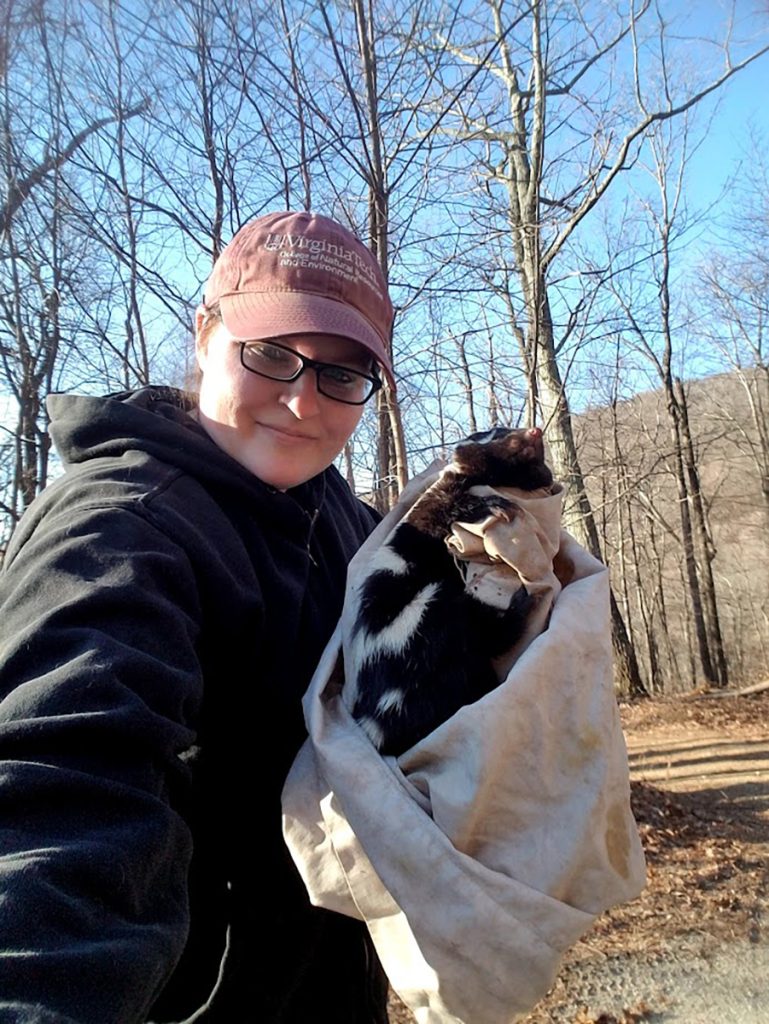
Why Appalachia’s Spotted Skunk is so Rare
The eastern spotted skunk was not always as rare as it is today. Find out what researcher Emily Thorne has learned about this master of malodor.
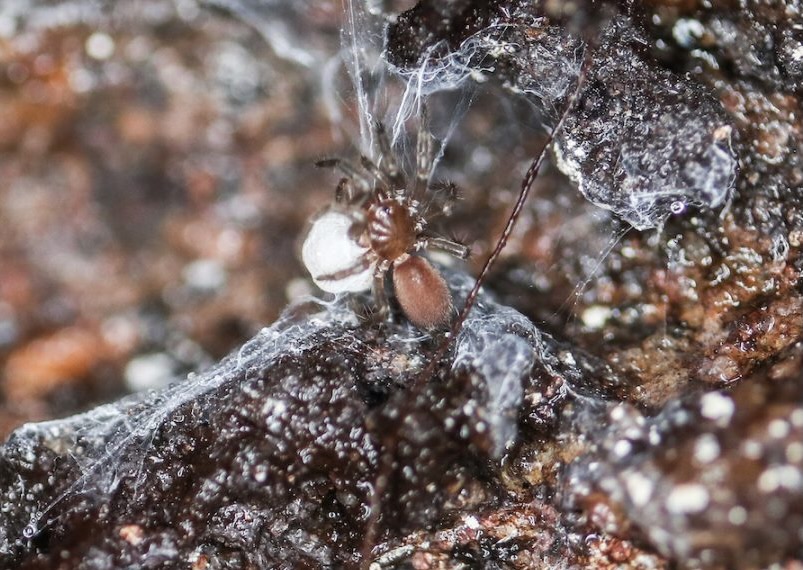
Endangered Tiny Tarantula Faces Habitat Loss
An endangered, tiny tarantula living in moss in the Appalachian Mountains is losing more of its habitat.