

As the Climate Changes, National Forests Adapt
By Locke Curtis
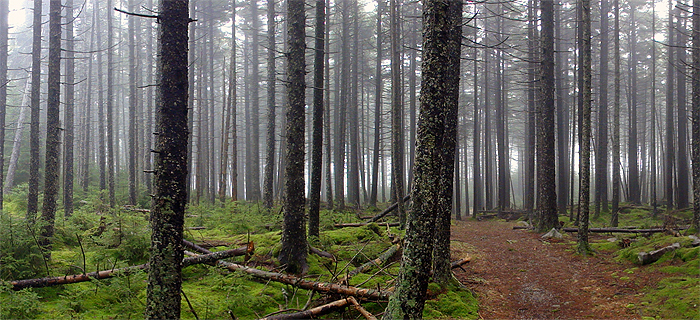
Red spruce in the Monongahela National Forest in West Virginia.
Photo Credit: Kristopher Hennig, AmeriCorps with the USFS
American national forests play a crucial role in slowing the effects of climate change according to the U.S. Forest Service. Not only do forests offset about 10 percent of America’s carbon production, they provide water filtration, clean air, erosion protection and biodiversity to the surrounding areas.
Climate change scientists across the country are compiling data on temperature, rainfall and wildlife in order to anticipate coming challenges for forests and respond appropriately. While climate change prediction models do not agree about the future effects of climate change, most foresee extreme patterns of rainfall and drought resulting from an increase in average temperature.
In 2009, public and private forest stakeholders in the Northern United States established the Climate Change Response Framework in an effort to share climate change data and solutions across 246 million acres in 19 states, including 14 national forests. The information-sharing framework has three main objectives: to provide a forum for experiences and knowledge to be shared publicly, to create tools to help private and public landowners manage vulnerable forest ecosystems, and to support efforts to implement adaptive responses to climate change.
In West Virginia, staff from the Monongahela National Forest used the framework’s resources to help develop a project focused on restoring native red spruce populations to a former strip mining site for erosion control.
 In the George Washington and Jefferson National Forests, staff are working on several projects related to climate change. Forest officials are creating habitats for the amphibian species that are most vulnerable to rising ambient temperatures. In addition, efforts are being made to restore and reinforce vegetation in wetland areas susceptible to the increased threat of flooding.
Efforts like these that anticipate and prepare for climate change are taking place in national forests across the country. To find out how your local forest is responding, contact forest staff or visit their website.
Related Articles
Latest News
More Stories
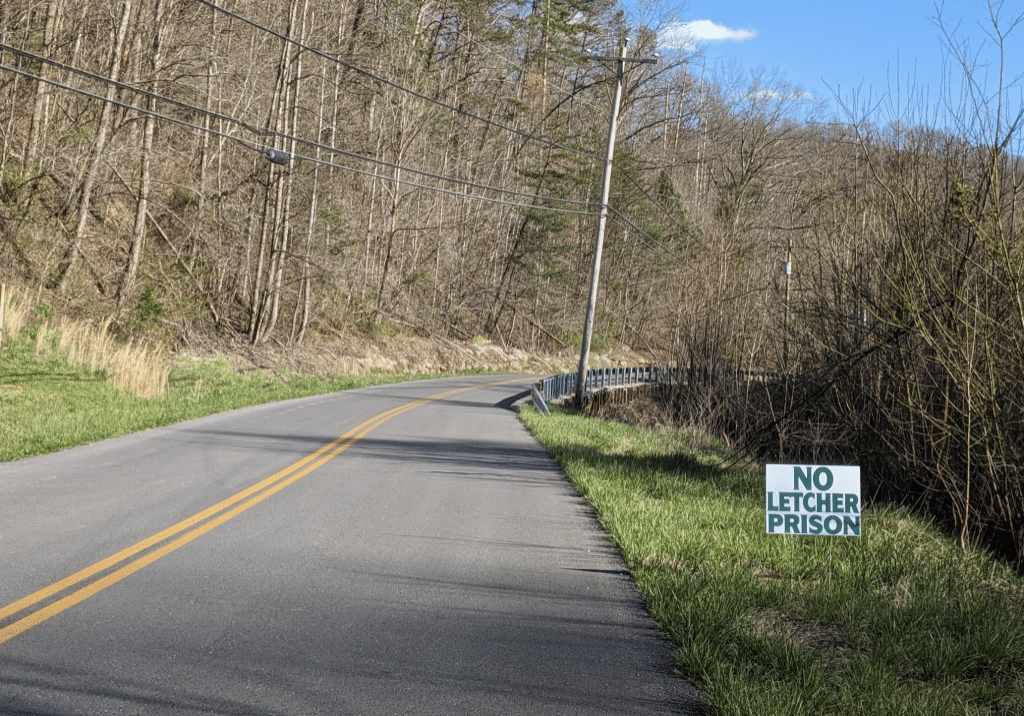
After 20 years, Letcher County prison proposal is still alive, though obstacles remain
A $605 million proposal for a federal prison on a former strip mine site in Letcher County, Kentucky, championed by U.S. Rep. Hal Rogers, refuses to die, despite local opposition, a lack of support from the executive branch and numerous other obstacles.
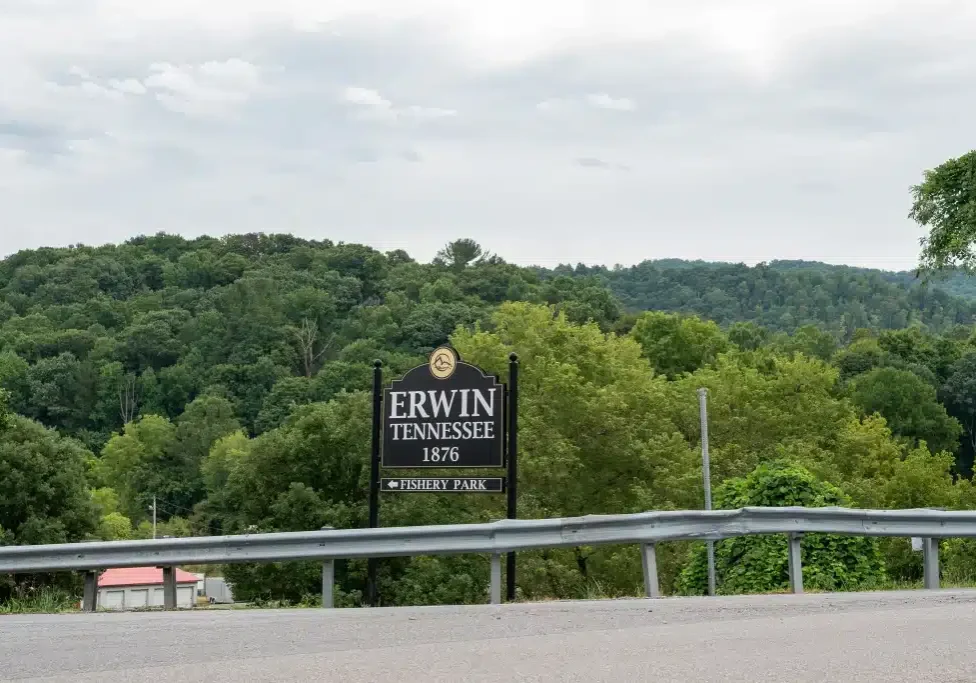
The Washout and Rebuild
For nearly two years, residents of Unicoi County, Tennessee, have had to make do without a hospital after Hurricane Helene destroyed the rural hospital. Ballad Health, which owns the hospital, broke ground on a new location — in another floodplain — in August 2026.
The Shenandoah Salamander
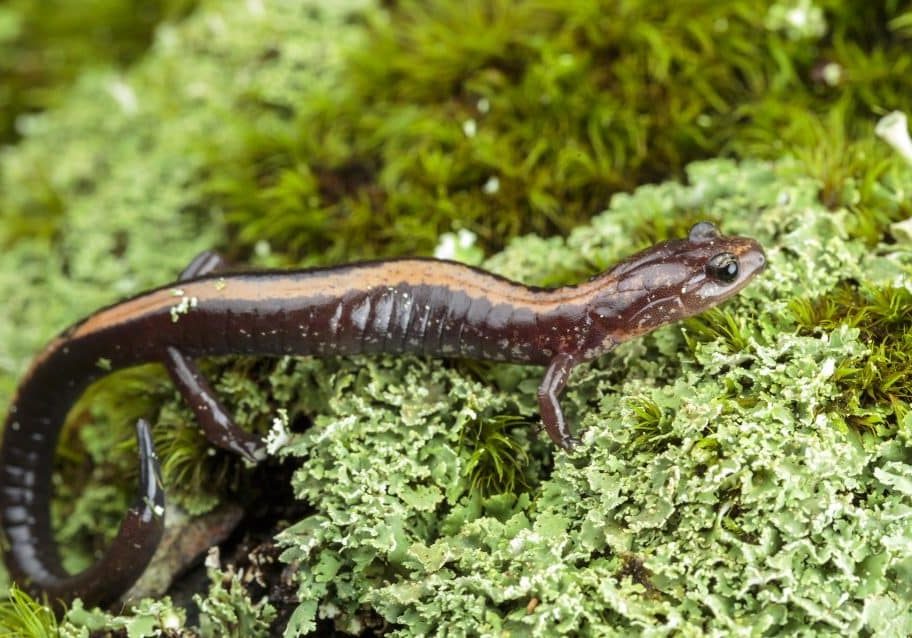
The Shenandoah salamander is a woodland salamander, which has adapted to life at higher elevations away from water. This sparkling rarity lives among the dry leaves, cracked logs, and stony hillocks on the highest peaks of Shenandoah National Park.
‘Foraging Is a Way of Connecting’
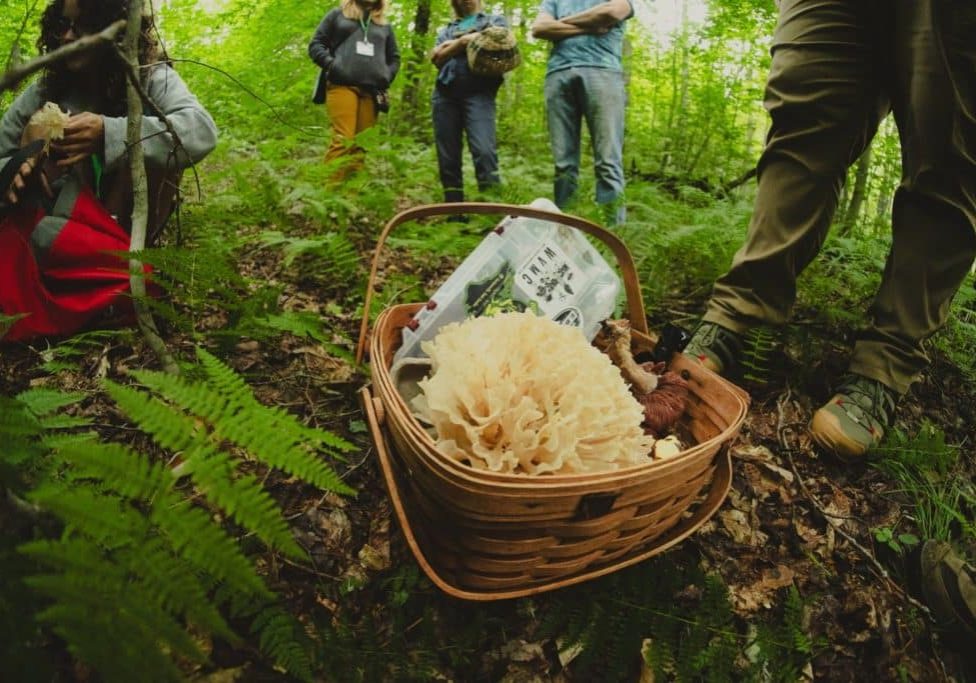
Foraging has experienced a modern resurgence, partly because of social media, online groups, the pandemic and people wanting to connect with nature. It also builds community, whether in person or online.

Colorblind Viewfinders Make Appalachian State Parks More Accessible
Virginia State Parks is the first park system in the nation to have a colorblind viewfinder at each one of its 43 locations — thanks to the dedication of one park ranger. Other states are following suit.

The Future of Film is in West Virginia
Many well-known TV and film productions have developed out of the Mountain State in years past, but the West Virginia Film Office is looking to the future to continue to grow the film industry.

Leave a comment
Your email address will not be published. Required fields are marked *
Leave a Comment