

By Charlotte Wray
Butterfly populations and other North American pollinator species, such as bees and moths, began to decline several decades ago. As the decline became more rapid in the 2000s, Angel Hjarding, director of pollinators at the North Carolina Wildlife Federation, decided to take matters into her own hands and formed the Butterfly Highway project in February 2016.
Hjarding’s campaign aims to create a “highway” of native, flowering nectar plants, specifically milkweed, for the monarch butterfly. These “pit stops” will be both large-scale and residential, with community, residential and business gardens, and the project will also partner with organizations to ensure long-term garden sustainability.
The project has expanded from its origin in Charlotte, N.C., into western North Carolina, with new habitats and gardens forming in Asheville, Brevard, Hendersonville, Banner Elk and Boone.
Pollinators are vital to both the balance of ecosystems and the agricultural economy, since over 70 percent of crops require or yield higher production because of pollination.
The decrease in pollinator populations, especially the monarch butterfly, is due in part to increased urbanization, pesticides, agricultural practices and “limited floral resources,” Hjarding says.
Since the launch of the project, about 250 habitats have been planted or planned across North Carolina.
For more information, visit: butterflyhighway.org/bh-info
Related Articles
Latest News
More Stories

Signs of Life
In the Nantahala National Forest, a team of biologists spotted Indiana bats, an endangered species that hasn’t been seen in North Carolina for the last 11 years.

‘First Line of Defense’
During Hurricane Helene and its aftermath, rural fire departments and other first responder hubs played critical roles in keeping their communities safe, even without power and cut off from outside support for days or weeks after the storm. Two years later, plenty of work remains to ensure these hubs have the resources they need to operate day to day and be ready when emergencies or natural disasters strike.

The Rocky Road — and Bridge — to Recovery
Hurricane Helene is estimated to have damaged nearly 7,000 private roads and bridges in Western North Carolina. Two years later, many restoration projects are complete, but the journey hasn’t been easy — and isn’t over for others.

After 20 Years, Letcher County Prison Proposal Is Still Alive, Though Obstacles Remain
A $605 million proposal for a federal prison on a former strip mine site in Letcher County, Kentucky, championed by U.S. Rep. Hal Rogers, refuses to die, despite local opposition, a lack of support from the executive branch and numerous other obstacles.
The Washout and Rebuild
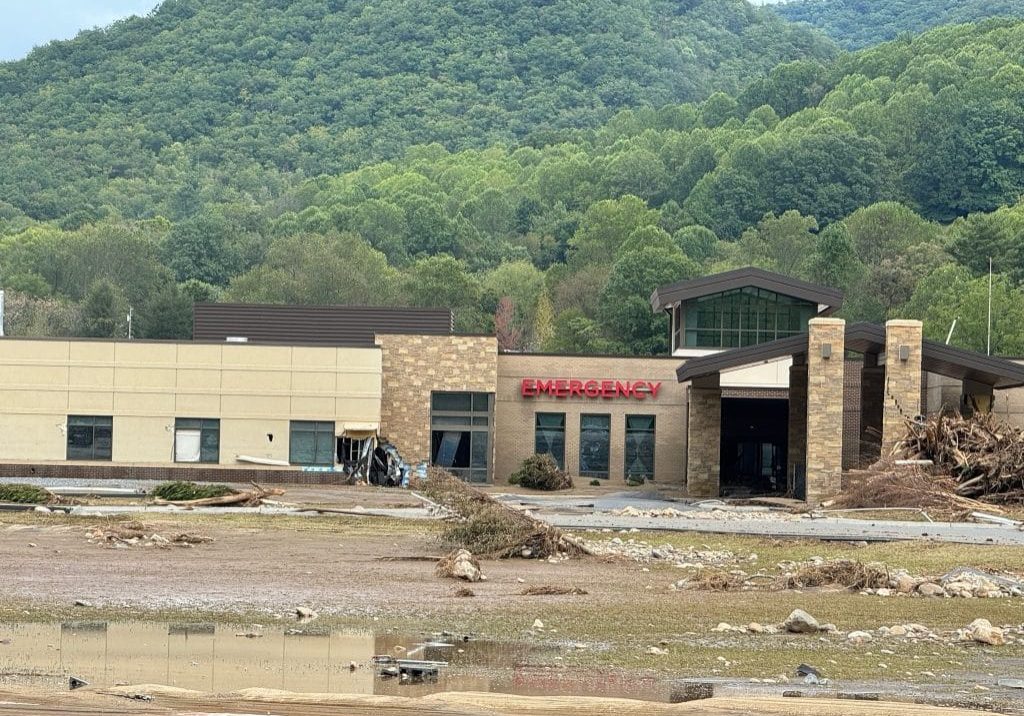
For nearly two years, residents of Unicoi County, Tennessee, have had to make do without a hospital after Hurricane Helene destroyed the rural hospital. Ballad Health, which owns the hospital, broke ground on a new location — in another floodplain — in August 2026.
The Shenandoah Salamander
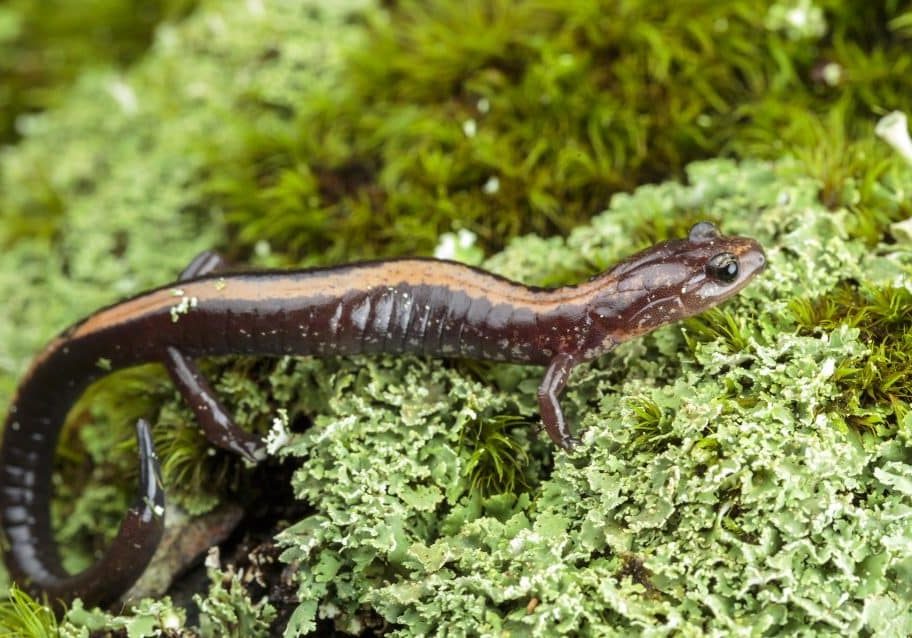
The Shenandoah salamander is a woodland salamander, which has adapted to life at higher elevations away from water. This sparkling rarity lives among the dry leaves, cracked logs, and stony hillocks on the highest peaks of Shenandoah National Park.

Leave a comment
Your email address will not be published. Required fields are marked *
Leave a Comment