

By Brian Sewell
West Virginia Gov. Earl Ray Tomblin signed a bill to repeal the state’s Alternative and Renewable Energy Portfolio Standard, a law ostensibly aimed at promoting adoption of renewable sources.
In the opening days of the 2015 legislative session, West Virginia legislators moved quickly to dismantle the standard, arguing that they were standing up for the state’s weakened coal industry by putting clean energy on the chopping block. But the law has had a negligible effect since it was passed in 2009. A broad interpretation of what constitutes “alternative” energy under the law has allowed West Virginia’s largest utilities to easily meet the law’s requirements by relying on coal and natural gas without adding new solar or wind capacity.
Even though the West Virginia Coal Association helped craft the standard, it now supports repeal, citing regulatory and legal pressure on the coal industry.
Clean energy advocates reacted with indifference, since the doomed law did little to expand renewable generation, but they say there is a silver lining: lawmakers approved an amendment to the bill that allows West Virginians who have solar panels to continue receiving credit for the excess electricity they generate and put back into the grid.
Editor’s note: The online text of this article is longer than the print version.
Related Articles
Latest News
More Stories

‘First Line of Defense’
During Hurricane Helene and its aftermath, rural fire departments and other first responder hubs played critical roles in keeping their communities safe, even without power and cut off from outside support for days or weeks after the storm. Two years later, plenty of work remains to ensure these hubs have the resources they need to operate day to day and be ready when emergencies or natural disasters strike.

The Rocky Road — and Bridge — to Recovery
Hurricane Helene is estimated to have damaged nearly 7,000 private roads and bridges in Western North Carolina. Two years later, many restoration projects are complete, but the journey hasn’t been easy — and isn’t over for others.
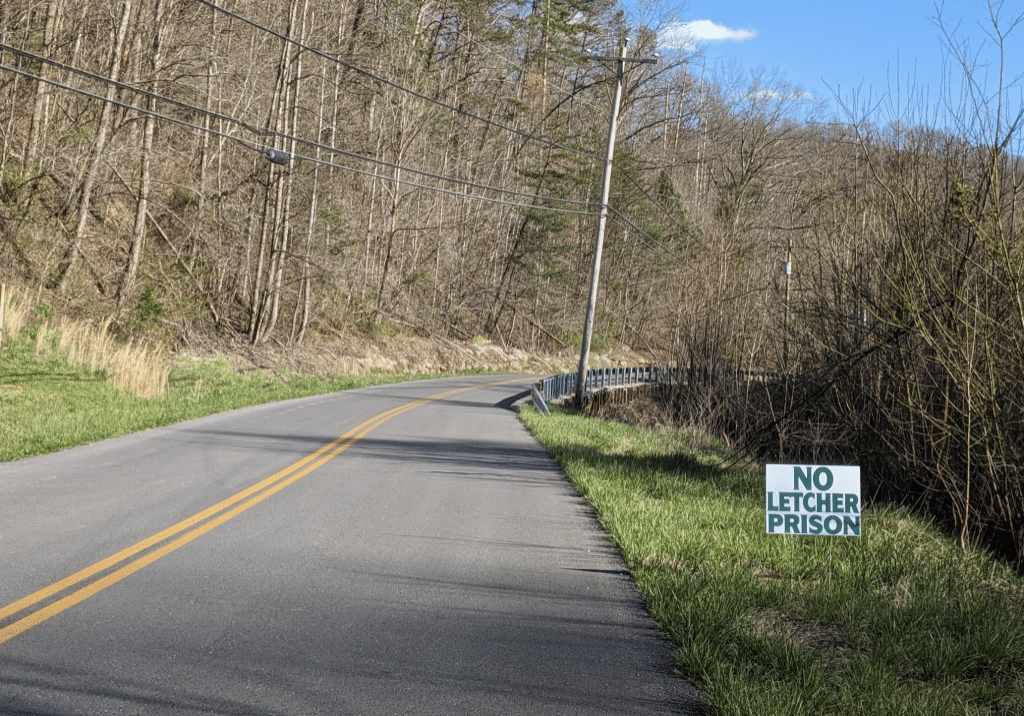
After 20 Years, Letcher County Prison Proposal Is Still Alive, Though Obstacles Remain
A $605 million proposal for a federal prison on a former strip mine site in Letcher County, Kentucky, championed by U.S. Rep. Hal Rogers, refuses to die, despite local opposition, a lack of support from the executive branch and numerous other obstacles.
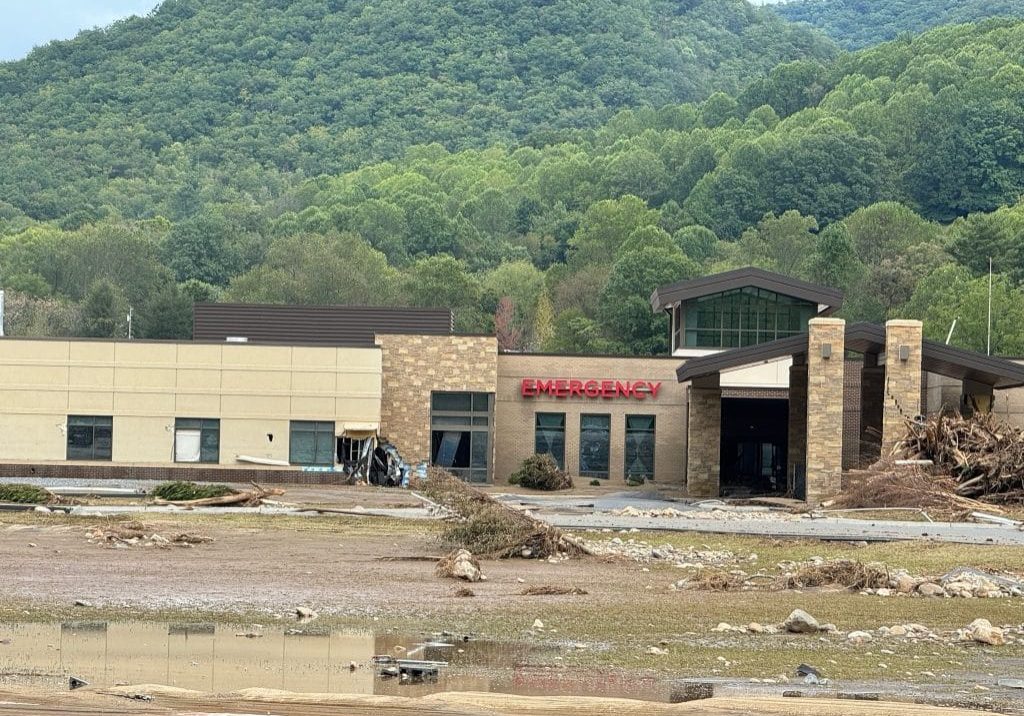
The Washout and Rebuild
For nearly two years, residents of Unicoi County, Tennessee, have had to make do without a hospital after Hurricane Helene destroyed the rural hospital. Ballad Health, which owns the hospital, broke ground on a new location — in another floodplain — in August 2026.

The Shenandoah Salamander
The Shenandoah salamander is a woodland salamander, which has adapted to life at higher elevations away from water. This sparkling rarity lives among the dry leaves, cracked logs, and stony hillocks on the highest peaks of Shenandoah National Park.
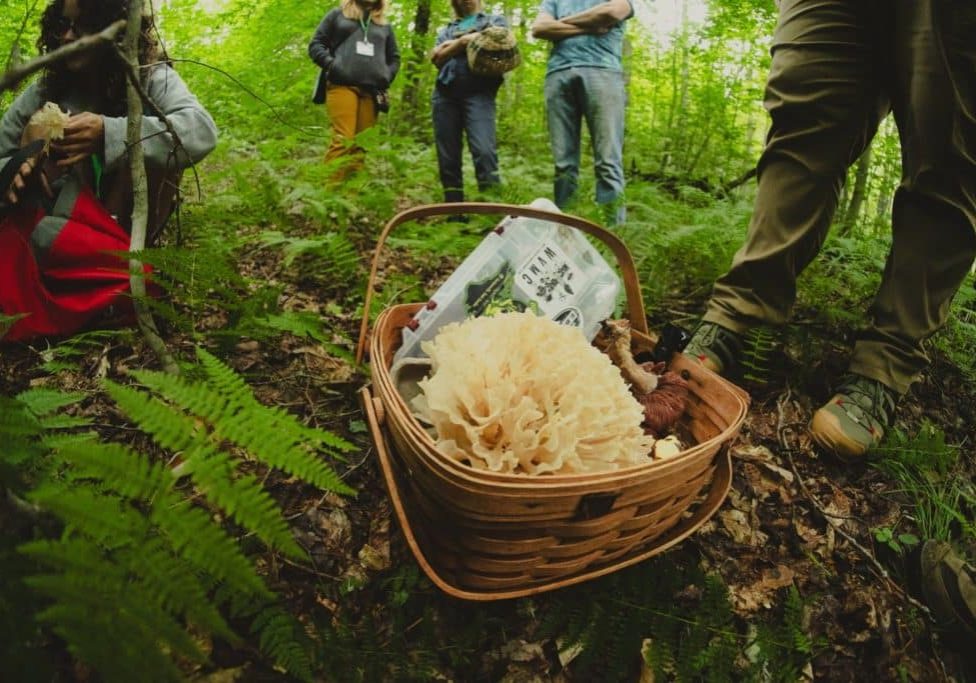
‘Foraging Is a Way of Connecting’
Foraging has experienced a modern resurgence, partly because of social media, online groups, the pandemic and people wanting to connect with nature. It also builds community, whether in person or online.

Leave a comment
Your email address will not be published. Required fields are marked *
Leave a Comment