

President’s Budget Proposal Includes Boons for Appalachia
By Brian Sewell
Central Appalachian communities weathering coal’s long decline would see a boost in funding under the White House budget released in February.
The Obama administration’s 2016 budget calls for an additional $200 million per year over the next five years to restore dangerous, unreclaimed mines, mostly in the Appalachian region.
The budget proposal also includes $20 million to provide employment services and job training specifically to help laid-off coal miners and power plant employees transition to jobs in other fields. The Appalachian Regional Commission would see its $70 million budget grow by roughly one-third, with $25 million in new funding directed to communities “most impacted by coal economic transition” to support a range of economic development initiatives.
The president’s proposed budget may never become law, but legislators are likely to debate the measures as Congress crafts its own budget proposals.
Related Articles
Latest News
More Stories
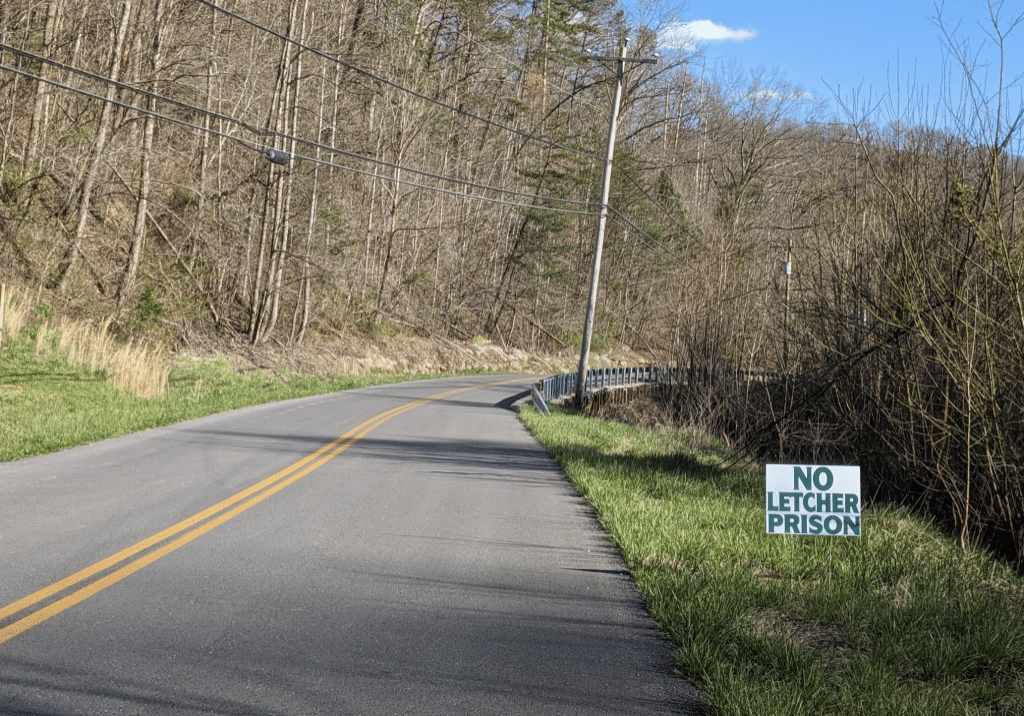
After 20 years, Letcher County prison proposal is still alive, though obstacles remain
A $605 million proposal for a federal prison on a former strip mine site in Letcher County, Kentucky, championed by U.S. Rep. Hal Rogers, refuses to die, despite local opposition, a lack of support from the executive branch and numerous other obstacles.
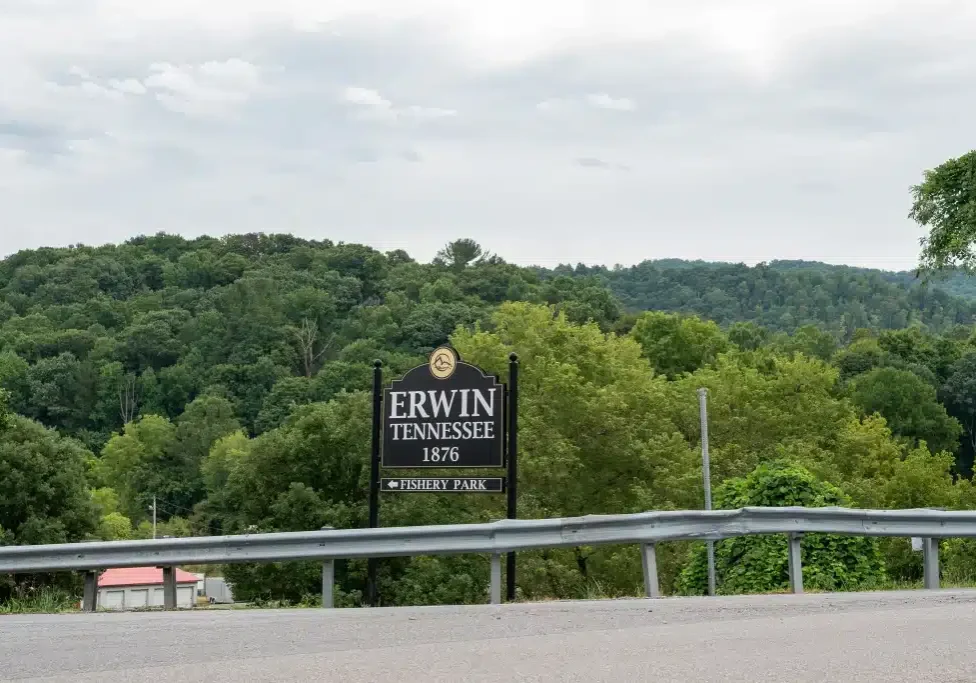
The Washout and Rebuild
For nearly two years, residents of Unicoi County, Tennessee, have had to make do without a hospital after Hurricane Helene destroyed the rural hospital. Ballad Health, which owns the hospital, broke ground on a new location — in another floodplain — in August 2026.

The Shenandoah Salamander
The Shenandoah salamander is a woodland salamander, which has adapted to life at higher elevations away from water. This sparkling rarity lives among the dry leaves, cracked logs, and stony hillocks on the highest peaks of Shenandoah National Park.
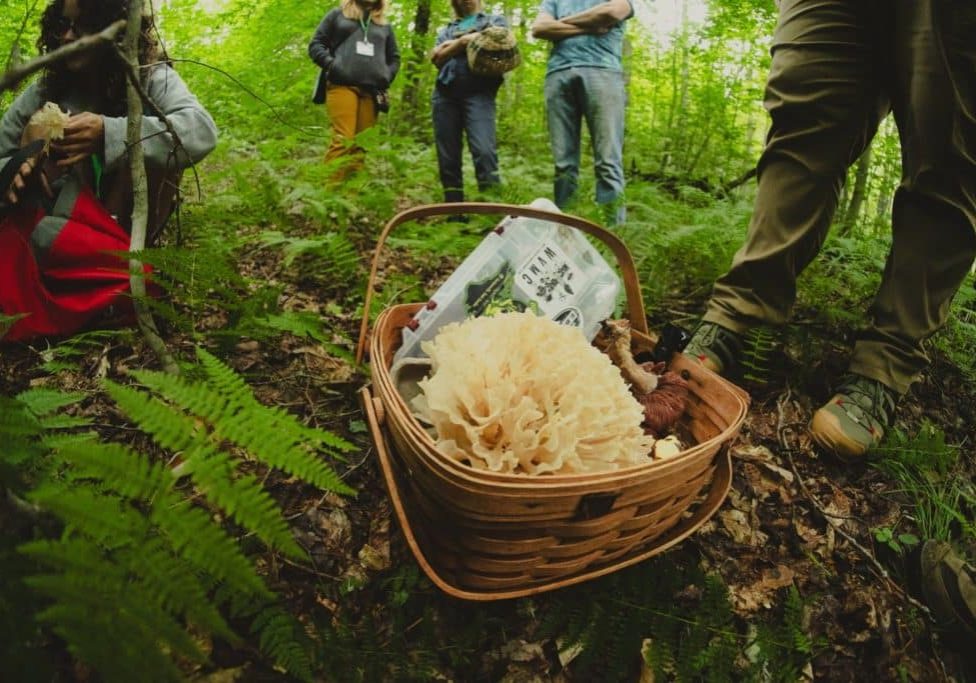
‘Foraging Is a Way of Connecting’
Foraging has experienced a modern resurgence, partly because of social media, online groups, the pandemic and people wanting to connect with nature. It also builds community, whether in person or online.

Colorblind Viewfinders Make Appalachian State Parks More Accessible
Virginia State Parks is the first park system in the nation to have a colorblind viewfinder at each one of its 43 locations — thanks to the dedication of one park ranger. Other states are following suit.
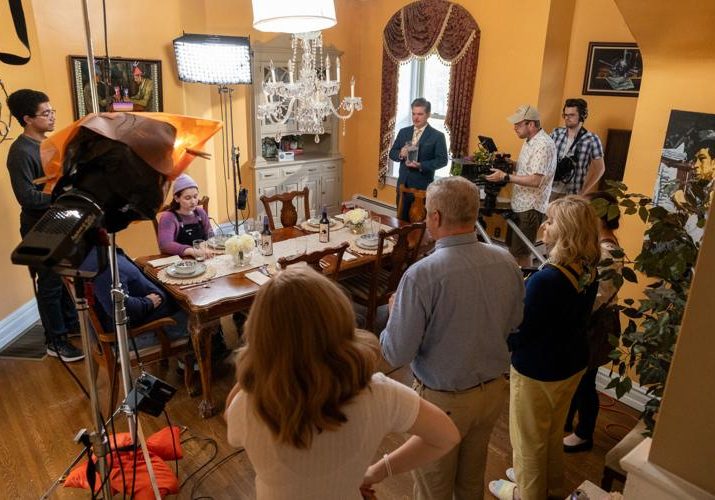
The Future of Film is in West Virginia
Many well-known TV and film productions have developed out of the Mountain State in years past, but the West Virginia Film Office is looking to the future to continue to grow the film industry.

Leave a comment
Your email address will not be published. Required fields are marked *
Leave a Comment