

Exposed: Climate Change
Much of Appalachia is predicted to experience increased temperatures and precipitation over the coming decades, with temperatures rising by four to nine degrees Fahrenheit and fewer — but more intense — storms interspersed with short droughts.
Heat impacts
- Rising temperatures can heighten the risk of heat stroke during the summer and increase production of ground-level ozone, a pollutant that injures lungs and causes respiratory illness
- A longer growing season and higher concentrations of carbon dioxide will stimulate pollen production and worsen seasonal allergies
Food security
- Although annual rainfall will increase, higher temperatures will accelerate evaporation from plants and harm agricultural operations
- Livestock will be more vulnerable to heat stress
Severe weather
- Heavy rainfall may cause flooding and threaten communities near coal ash and fracking fluid ponds
- Drier periods and increased lightning will escalate the risk of forest fires
Vector-borne diseases
The distribution and severity of diseases carried by insects will increase as rising temperatures expand potential habitats and encourage viral mutation. Of particular concern in the Southeast are:
- Lyme disease from deer ticks
- Dengue and yellow fever from Aedes aegypti mosquitoes
- West Nile virus from Asian tiger mosquitoes
Related Articles
Latest News
More Stories
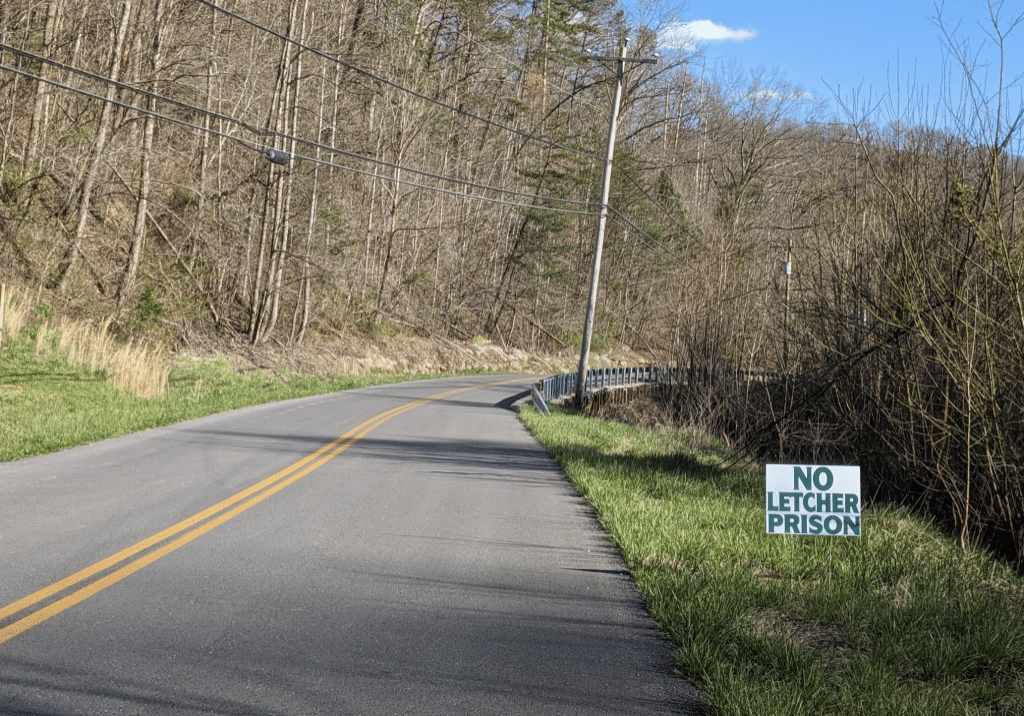
After 20 years, Letcher County prison proposal is still alive, though obstacles remain
A $605 million proposal for a federal prison on a former strip mine site in Letcher County, Kentucky, championed by U.S. Rep. Hal Rogers, refuses to die, despite local opposition, a lack of support from the executive branch and numerous other obstacles.
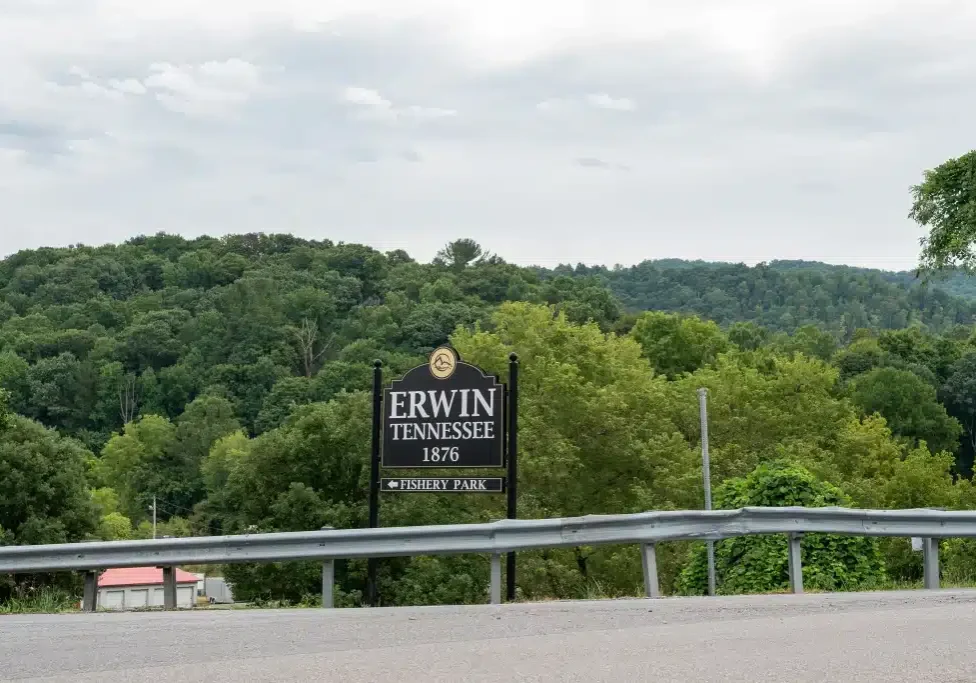
The Washout and Rebuild
For nearly two years, residents of Unicoi County, Tennessee, have had to make do without a hospital after Hurricane Helene destroyed the rural hospital. Ballad Health, which owns the hospital, broke ground on a new location — in another floodplain — in August 2026.
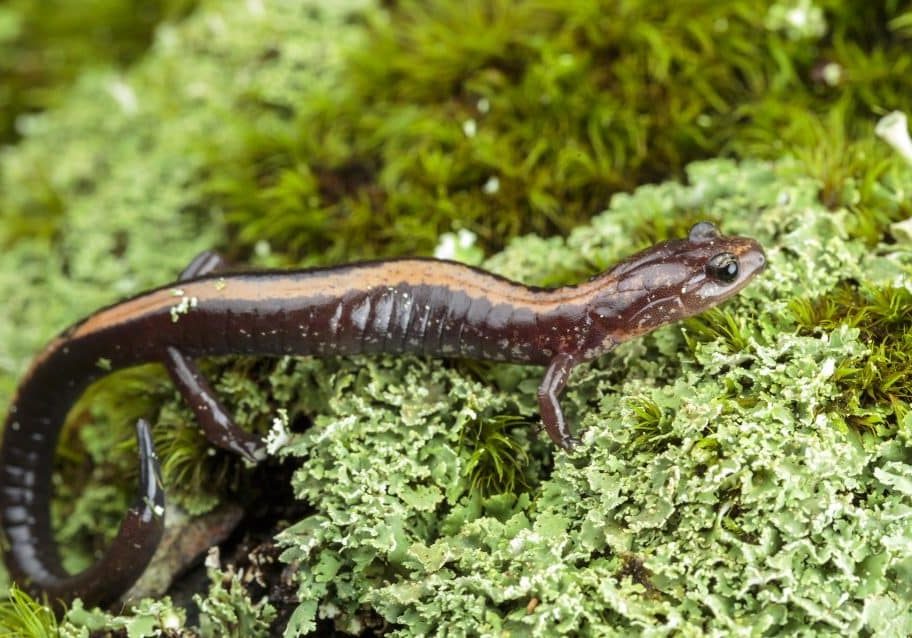
The Shenandoah Salamander
The Shenandoah salamander is a woodland salamander, which has adapted to life at higher elevations away from water. This sparkling rarity lives among the dry leaves, cracked logs, and stony hillocks on the highest peaks of Shenandoah National Park.
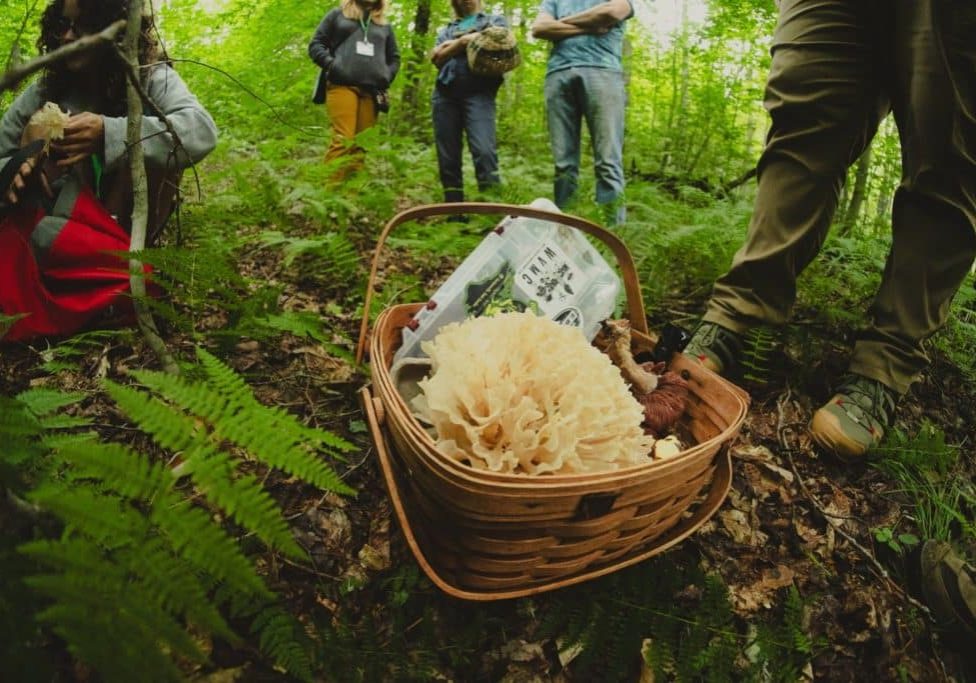
‘Foraging Is a Way of Connecting’
Foraging has experienced a modern resurgence, partly because of social media, online groups, the pandemic and people wanting to connect with nature. It also builds community, whether in person or online.

Colorblind Viewfinders Make Appalachian State Parks More Accessible
Virginia State Parks is the first park system in the nation to have a colorblind viewfinder at each one of its 43 locations — thanks to the dedication of one park ranger. Other states are following suit.

The Future of Film is in West Virginia
Many well-known TV and film productions have developed out of the Mountain State in years past, but the West Virginia Film Office is looking to the future to continue to grow the film industry.

Leave a comment
Your email address will not be published. Required fields are marked *
Leave a Comment