

A Science of Responsibility:
Dr. Ben Stout’s Dedication to Community-Based Research
By Brian Sewell
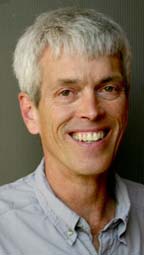
Photo courtesy Wheeling Jesuit University
Dr. Ben Stout, a stream ecologist and professor of biology at Wheeling Jesuit University in West Virginia, is as at home in nearby communities as he is in the classroom. For more than 20 years, he has conducted his research outside of the lab and in local communities, testing water, listening to residents’ concerns, and publishing and testifying on his findings.
Stout says his responsibility to residents of Appalachia began in 1990, when he testified in the “first big mountaintop removal case” held in a federal court in Charleston, W.Va. There, he spoke about the impact of valley fills on stream health, and catalyzed an ongoing national debate about the tenets of the Clean Water Act that apply to mountaintop removal coal mining.
“That was earth-shaking to me,” Stout says. “Up to that point I really did not know anything about mountaintop removal and I couldn’t believe that people denied these headwater streams existed or that they were important. That changed my career path … from then on I’ve always done applied stuff, community-based participatory research. I work for the citizens.”
In West Virginia and across Appalachia, Stout has become well known for his research. In 2004, he met with residents in Mingo County, W.Va., who claimed their water was contaminated by the coal industry’s practice of injecting slurry from coal processing plants underground. The report Stout went on to write found that, for many families, drinking or even bathing in their tap water could present a “chronic health hazard.” Nearly 700 impacted Mingo County residents sued Massey Energy over the contamination — Massey eventually settled out of court with the residents for $35 million.
27 Visionaries
READ THEIR STORIES
Keeping with his commitment to conduct community-based research, Stout and several students are currently working in western Pennsylvania, interpreting complex pre-drilling water reports. In exchange, residents can anonymously add information about their water quality to a database of pre-drilling water quality for the region. Stout says that data could allow researchers to paint a better picture of what well and stream water quality were like before drilling and more accurately assess contamination problems when they do occur.
“That is my role,” Stout says, “to make sure people have good information and to fight off disinformation, and we get plenty of that.”
Related Articles
Latest News
More Stories

‘First Line of Defense’
During Hurricane Helene and its aftermath, rural fire departments and other first responder hubs played critical roles in keeping their communities safe, even without power and cut off from outside support for days or weeks after the storm. Two years later, plenty of work remains to ensure these hubs have the resources they need to operate day to day and be ready when emergencies or natural disasters strike.

The Rocky Road — and Bridge — to Recovery
Hurricane Helene is estimated to have damaged nearly 7,000 private roads and bridges in Western North Carolina. Two years later, many restoration projects are complete, but the journey hasn’t been easy — and isn’t over for others.
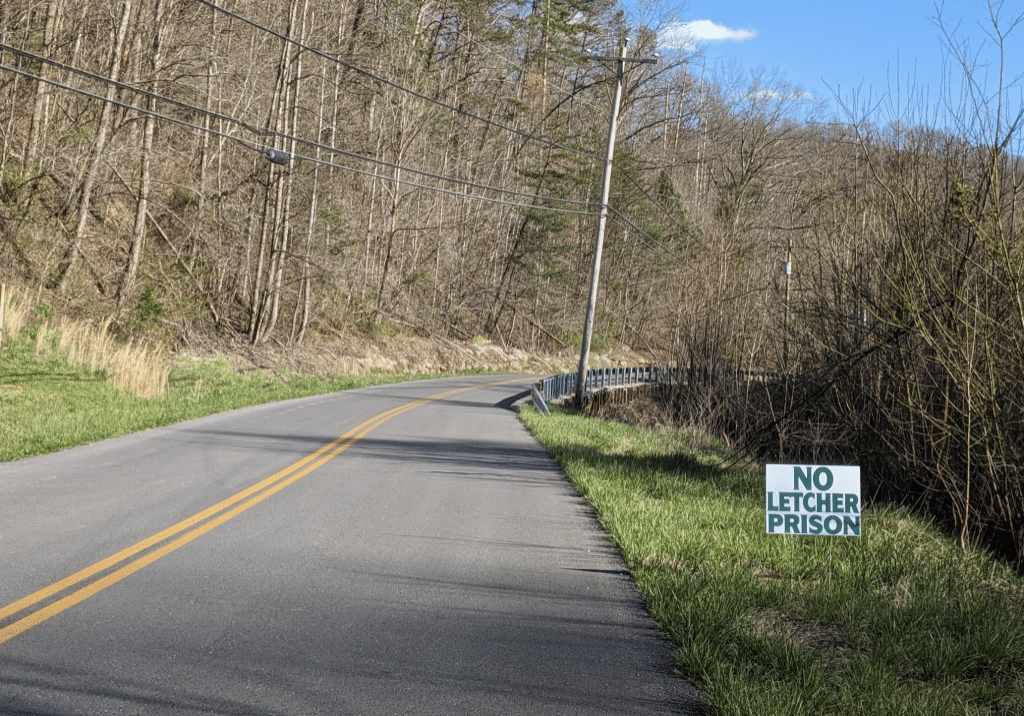
After 20 Years, Letcher County Prison Proposal Is Still Alive, Though Obstacles Remain
A $605 million proposal for a federal prison on a former strip mine site in Letcher County, Kentucky, championed by U.S. Rep. Hal Rogers, refuses to die, despite local opposition, a lack of support from the executive branch and numerous other obstacles.
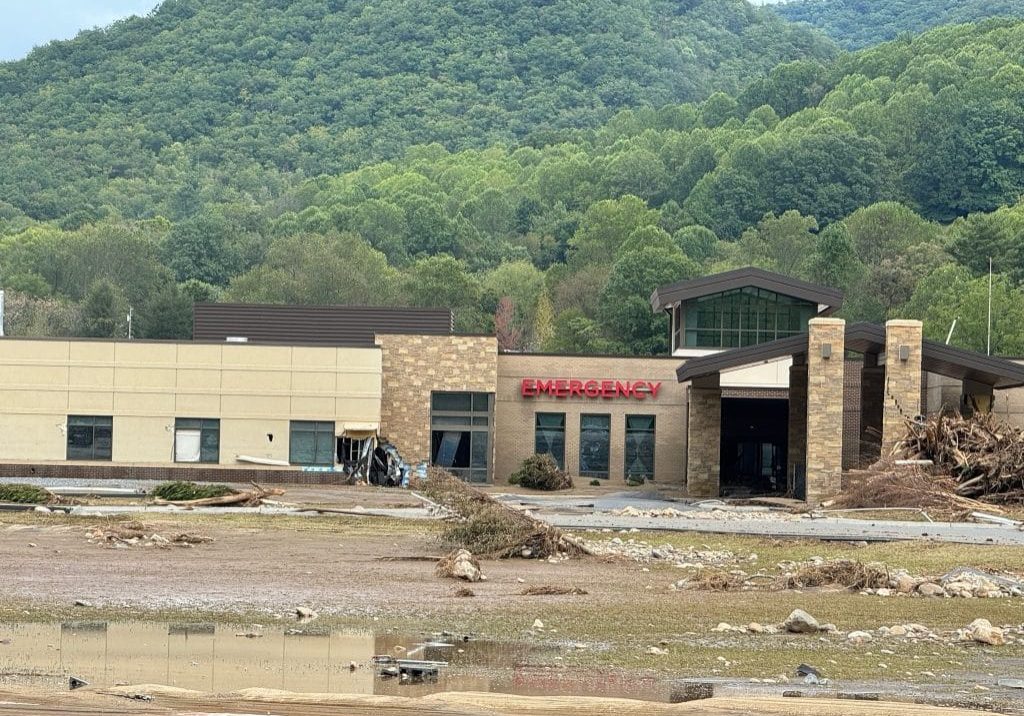
The Washout and Rebuild
For nearly two years, residents of Unicoi County, Tennessee, have had to make do without a hospital after Hurricane Helene destroyed the rural hospital. Ballad Health, which owns the hospital, broke ground on a new location — in another floodplain — in August 2026.
The Shenandoah Salamander
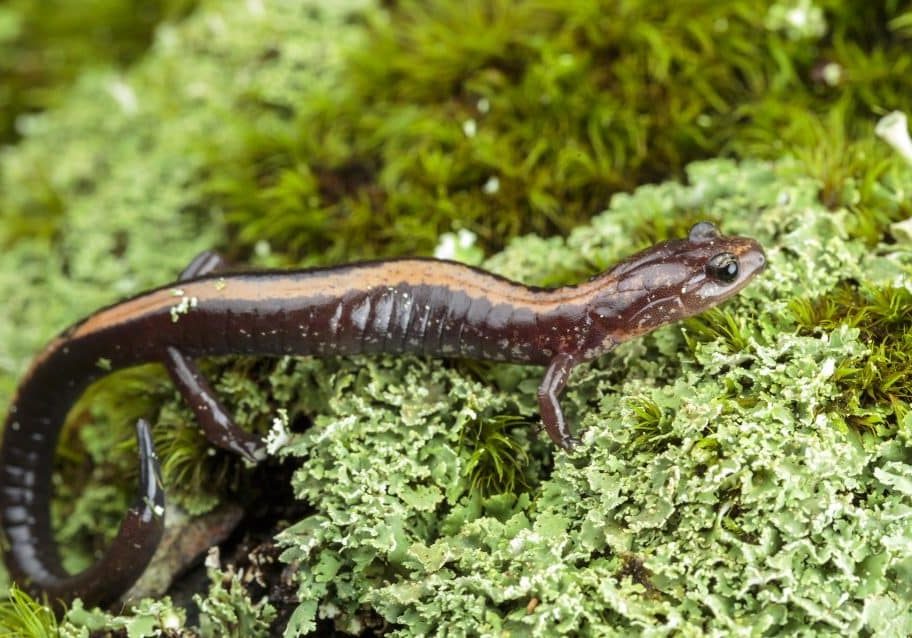
The Shenandoah salamander is a woodland salamander, which has adapted to life at higher elevations away from water. This sparkling rarity lives among the dry leaves, cracked logs, and stony hillocks on the highest peaks of Shenandoah National Park.
‘Foraging Is a Way of Connecting’
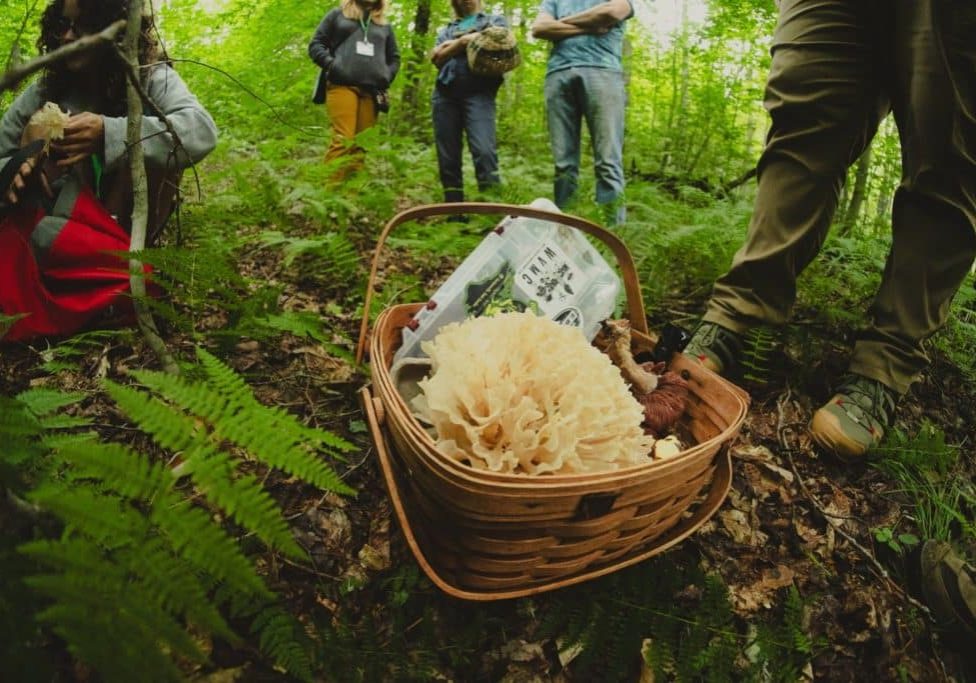
Foraging has experienced a modern resurgence, partly because of social media, online groups, the pandemic and people wanting to connect with nature. It also builds community, whether in person or online.

Leave a comment
Your email address will not be published. Required fields are marked *
Leave a Comment