

Diane Pitcock Connects Landowners to Fracking Researchers
By Molly Moore
When Diane Pitcock and her family retired to rural Doddridge County, W.Va., in 2005, she planned on canning garden vegetables, watching the stars and listening to the owls. Today, however, four Marcellus Shale gas rigs surround her land, and the ridge behind her home hosts an access road instead of a forest. On nights when the noise from a nearby rig keeps her awake, the light from the well pad is bright enough that she can step onto her bedroom porch and read a book.

John and Diane Pitcock (back right) and their youngest son Josh (back left) visit with participants in a Mountain Justice Spring Break activist program. Photo courtesy of Diane Pitcock
Before settling in Doddridge County, the Pitcocks researched conventional gas drilling and decided they were comfortable with the practice — their new land came with a standard vertical gas well. Yet, after they moved, information began surfacing about the new hydraulic fracturing and horizontal drilling methods used to unlock natural gas from the Marcellus Shale, and the Pitcocks grew concerned.
When they learned that their immediate neighbor had leased much of his land for horizontal gas drilling, Diane Pitcock responded by forming West Virginia Host Farms, a grassroots network of concerned landowners who provide journalists and scientists with access to their land in order to further research and media coverage of Marcellus Shale fracking.
“[We] invite researchers, journalists, environmental groups, students, anybody interested in the impacts of shale gas drilling on the environment, and on the health and safety of people, and land rights issues,” she says.
Pitcock hopes their efforts will provide decision-makers and the public with information about Marcellus Shale drilling that will lead to stronger regulations and better oversight of an industry that she says is out of control. “It’s in my opinion too destructive, too unknown, and I am seeing it firsthand because I’m at ground zero.”
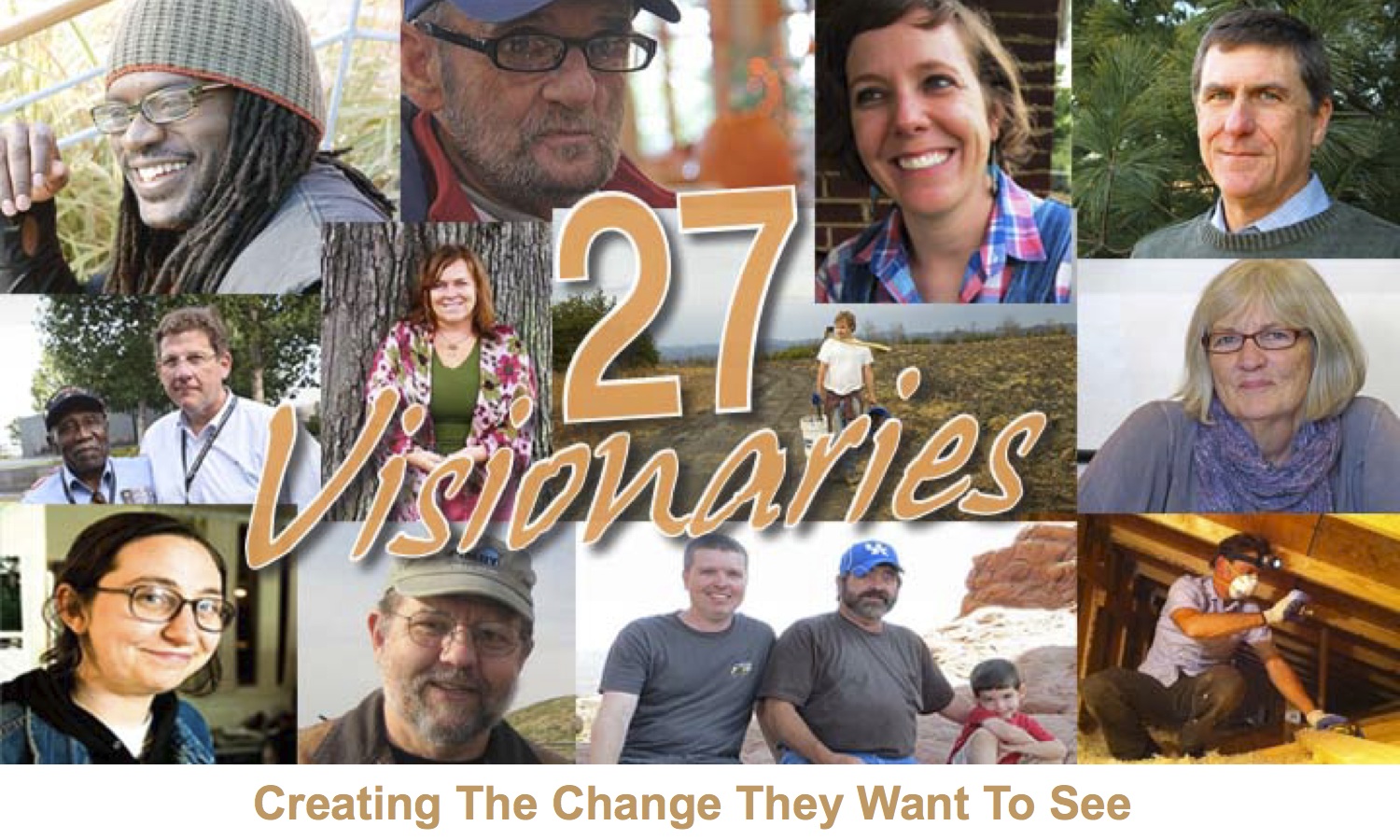
27 Visionaries
READ THEIR STORIES
A self-described pro-business conservative, Pitcock believes environmental protection should not be a political issue. “You can be pro-hunting or anti, or pro- or anti-gun, but you’ve still got to drink water and you still need clean water and clean air to breathe,” she says.
To learn more, visit wvhostfarms.org
Related Articles
Latest News
More Stories

‘First Line of Defense’
During Hurricane Helene and its aftermath, rural fire departments and other first responder hubs played critical roles in keeping their communities safe, even without power and cut off from outside support for days or weeks after the storm. Two years later, plenty of work remains to ensure these hubs have the resources they need to operate day to day and be ready when emergencies or natural disasters strike.

The Rocky Road — and Bridge — to Recovery
Hurricane Helene is estimated to have damaged nearly 7,000 private roads and bridges in Western North Carolina. Two years later, many restoration projects are complete, but the journey hasn’t been easy — and isn’t over for others.
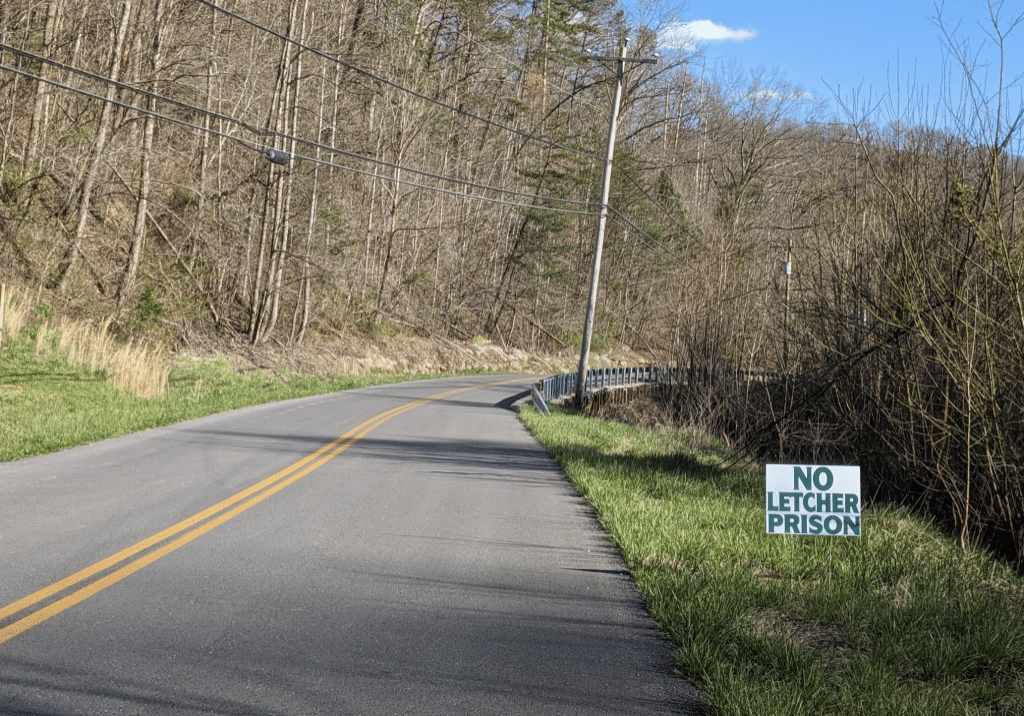
After 20 Years, Letcher County Prison Proposal Is Still Alive, Though Obstacles Remain
A $605 million proposal for a federal prison on a former strip mine site in Letcher County, Kentucky, championed by U.S. Rep. Hal Rogers, refuses to die, despite local opposition, a lack of support from the executive branch and numerous other obstacles.
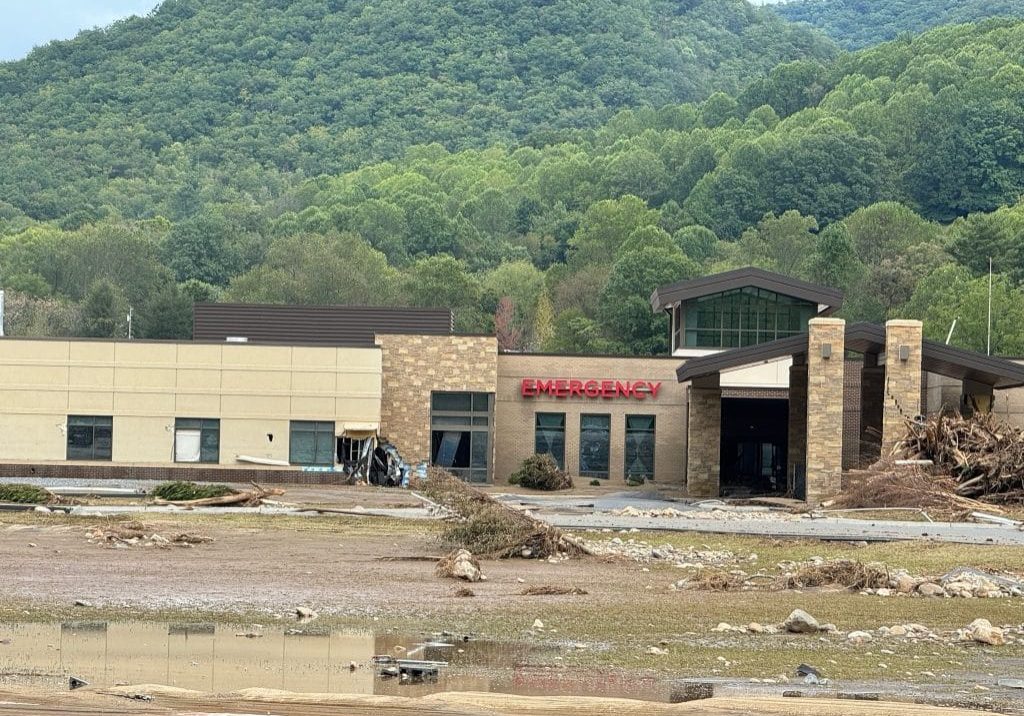
The Washout and Rebuild
For nearly two years, residents of Unicoi County, Tennessee, have had to make do without a hospital after Hurricane Helene destroyed the rural hospital. Ballad Health, which owns the hospital, broke ground on a new location — in another floodplain — in August 2026.
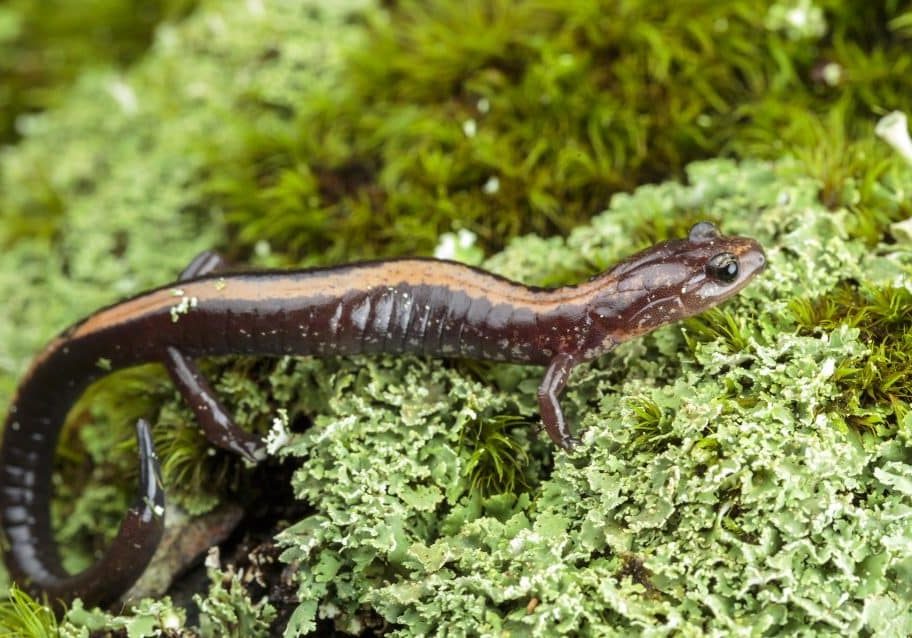
The Shenandoah Salamander
The Shenandoah salamander is a woodland salamander, which has adapted to life at higher elevations away from water. This sparkling rarity lives among the dry leaves, cracked logs, and stony hillocks on the highest peaks of Shenandoah National Park.
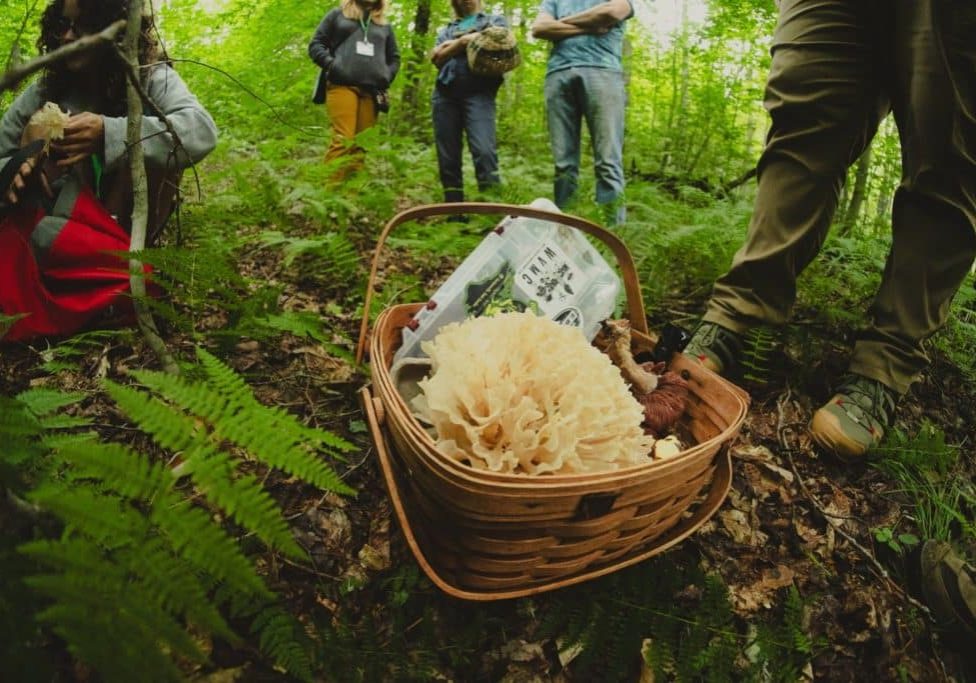
‘Foraging Is a Way of Connecting’
Foraging has experienced a modern resurgence, partly because of social media, online groups, the pandemic and people wanting to connect with nature. It also builds community, whether in person or online.

Leave a comment
Your email address will not be published. Required fields are marked *
Leave a Comment