

Oil and Gas Boom Straining America’s Energy Infrastructure
By Brian Sewell
The United States is experiencing a natural gas boom largely due to advances in drilling and extraction technologies. And in recent years, some have celebrated the fuel as a bridge to a clean energy and carbon-free future. But according to a report by the Center for American Progress, the other side of the bridge must come before 2030.
The report claims that the use of natural gas, particularly in the electric-power sector, must peak in the next seven to 17 years for the U.S. to meet its climate goals. Additionally, to truly be a bridge fuel, the report argues that the expansion of natural gas should be used to create investments in clean energy development, energy efficiency and the resilience of communities threatened by climate-related extreme weather.
Adding to the challenges of effectively managing America’s natural gas boom is the strain it places on national energy infrastructure. According to Jason Bordoff, a former White House energy adviser, nearly one-third of the natural gas produced in North Dakota is simply flared off — an environmentally harmful and economically wasteful practice of burning off natural gas that cannot be collected because the pipeline system has not kept up with the boom in North American energy production.
Truck and rail are seen as alternatives for transporting crude oil when pipelines are operating at capacity or when a production area lacks pipeline infrastructure. The Energy Information Administration’s latest Refinery Capacity Report shows a 57 percent increase in oil received by refineries by rail, truck, and barge in 2012 over the previous year, increasingly the likelihood of spills and accidents. A decade ago there were less than a dozen accidents from railroad cars carrying crude oil each year; last year there were 88.
S.C. Energy Savings Pilot Program Releases Final Report
South Carolina’s electric cooperatives in July announced the results of their “Help My House” energy efficiency pilot program, which provided loans for energy efficiency upgrades to homes. Through the program, the member-owners of the cooperatives who participated were able to repay the loans through their monthly utility bills. According to the program’s results, participating homeowners reduced their energy usage by 34 percent in the year after the upgrades, saving each participant an average of $288 per home after loan repayments. Over the next 15 years, the Help My House program is expected to save more than $8,500 for the average participating home.
Related Articles
Latest News
More Stories

Signs of Life
In the Nantahala National Forest, a team of biologists spotted Indiana bats, an endangered species that hasn’t been seen in North Carolina for the last 11 years.

‘First Line of Defense’
During Hurricane Helene and its aftermath, rural fire departments and other first responder hubs played critical roles in keeping their communities safe, even without power and cut off from outside support for days or weeks after the storm. Two years later, plenty of work remains to ensure these hubs have the resources they need to operate day to day and be ready when emergencies or natural disasters strike.

The Rocky Road — and Bridge — to Recovery
Hurricane Helene is estimated to have damaged nearly 7,000 private roads and bridges in Western North Carolina. Two years later, many restoration projects are complete, but the journey hasn’t been easy — and isn’t over for others.
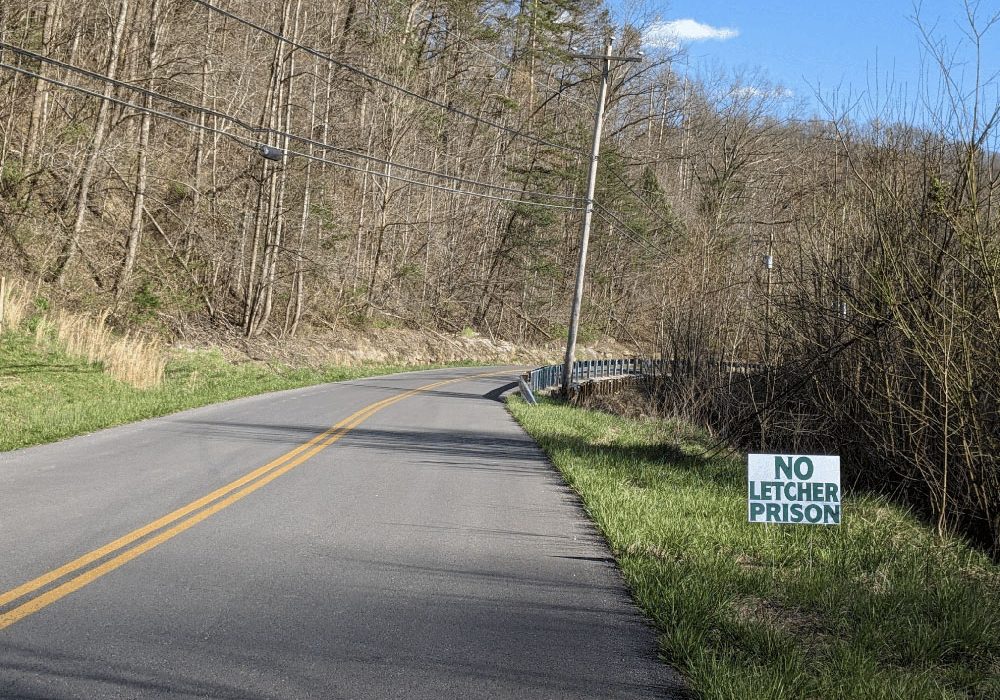
After 20 Years, Letcher County Prison Proposal Is Still Alive, Though Obstacles Remain
A $605 million proposal for a federal prison on a former strip mine site in Letcher County, Kentucky, championed by U.S. Rep. Hal Rogers, refuses to die, despite local opposition, a lack of support from the executive branch and numerous other obstacles.
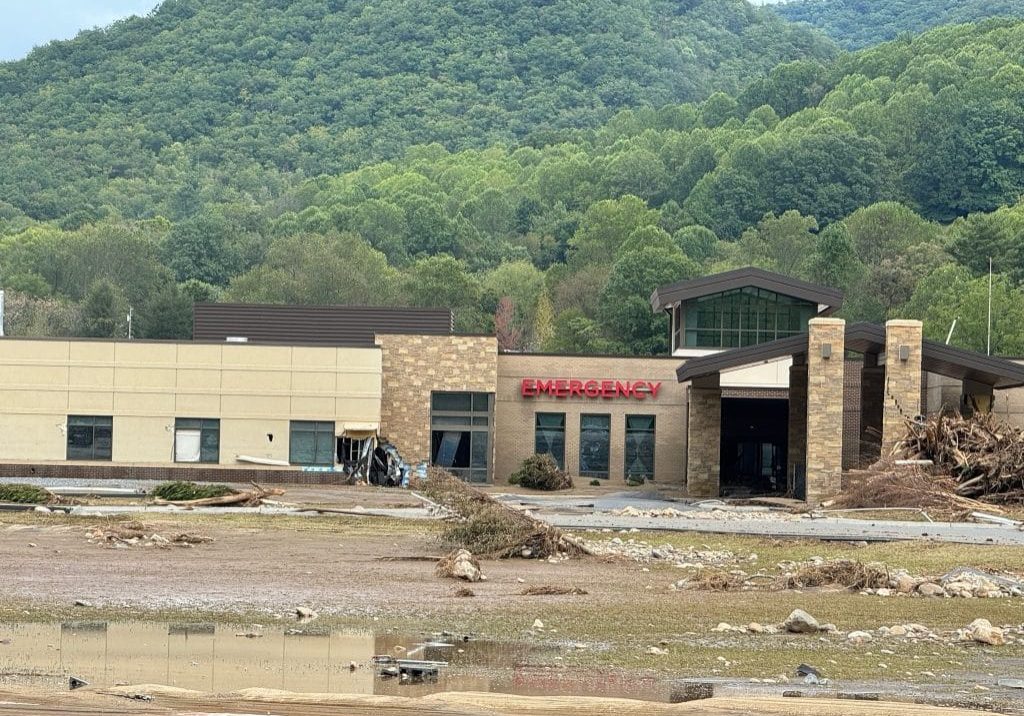
The Washout and Rebuild
For nearly two years, residents of Unicoi County, Tennessee, have had to make do without a hospital after Hurricane Helene destroyed the rural hospital. Ballad Health, which owns the hospital, broke ground on a new location — in another floodplain — in August 2026.

The Shenandoah Salamander
The Shenandoah salamander is a woodland salamander, which has adapted to life at higher elevations away from water. This sparkling rarity lives among the dry leaves, cracked logs, and stony hillocks on the highest peaks of Shenandoah National Park.

Leave a comment
Your email address will not be published. Required fields are marked *
Leave a Comment