
Welcome to Our New Washington, D.C. Office–and other shorts
Appalachian Voices and the Alliance for Appalachia have opened a legislative headquarters in Washington D.C. to better serve Appalachia’s growing corps of citizen lobbyists and accommodate our growing work there. Located on the corner of 8th and D Street NE on Capitol Hill, the office is a 10-minute walk from the US Capitol, and set up with internet, color printing, and refrigeration capabilities. AV and the Alliance are currently seeking donated items such as shelves, desks, and original artwork or literature to outfit our new D.C. home. Call the D.C. office at (202) 669-3670 for more information, or stop on by!
AV Helps Citizen Lobbying Step Up A Notch
After citizens took the month of August to have in-district lobby meetings during the Congressional recess, legislators and citizen lobbyists from the Appalachian coalfields returned to Capitol Hill in September to continue the fight to end mountaintop removal coal mining. It was an exciting month for the federal legislative push to stop mountaintop removal. The Clean Water Protection Act (H.R. 1310) picked up a few more cosponsors, including Mel Watt of North Carolina. The tally now stands at 156 co-sponsors.
Appalachian Voices and other member groups of the Alliance for Appalachia hosted a large lobby week with dozens of coalfield residents and other attendees from as far away as Los Angeles, CA. Needless to say, the event was an enormous success. Participants met with key legislators including Senator Kay Hagan and Congressman John Yarmuth, while meeting with the legislative staff of dozens of critical members of the United States House and Senate.
In a historic meeting, citizens from all four mountaintop removal states got together with all the agencies responsible for regulating mountaintop removal in the same room. This meeting at the White House complex included staff from President Obama’s Council on Environmental Quality, the Environmental Protection Agency, the Army Corps of Engineers, and the Office of Surface Mining, Reclamation, and Enforcement.
Promoting From Within…
Sandra Diaz, the National Field Coordinator for our mountaintop removal campaign, has been promoted to Director of Development and Communications, where she will now be working on our communications strategy to our funders and members alike. Stephanie Pistello, who was working on contract with our legislative team, will be stepping into a permanent position as the National Field Coordinator, where she will work with our national network of activists working to end mountaintop removal coal mining. Congratulations to both Sandra and Stephanie!
Related Articles
Latest News
More Stories
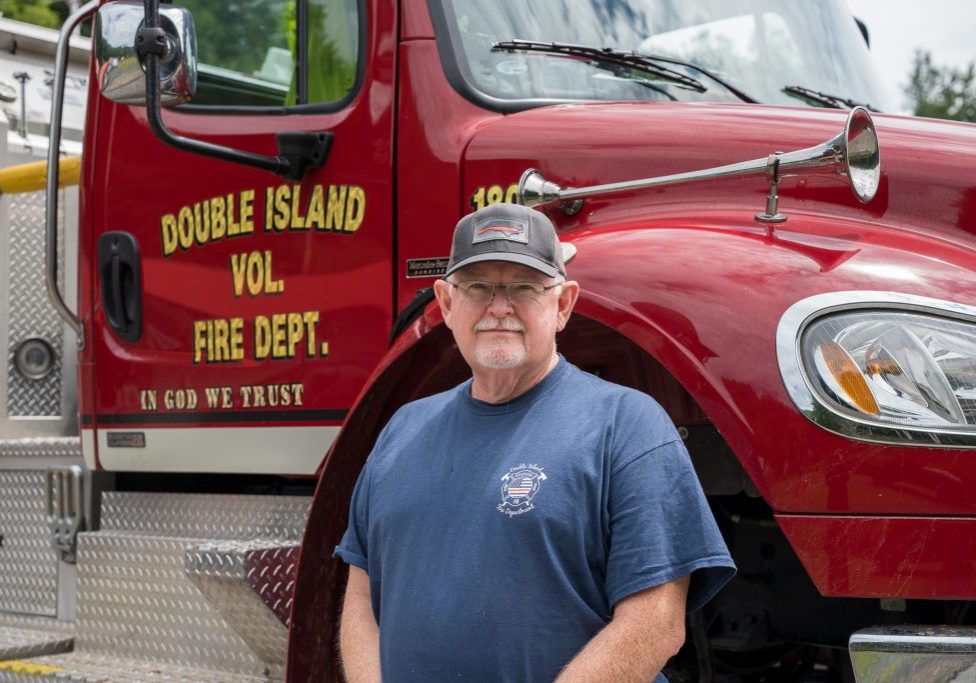
‘First Line of Defense’
During Hurricane Helene and its aftermath, rural fire departments and other first responder hubs played critical roles in keeping their communities safe, even without power and cut off from outside support for days or weeks after the storm. Two years later, plenty of work remains to ensure these hubs have the resources they need to operate day to day and be ready when emergencies or natural disasters strike.
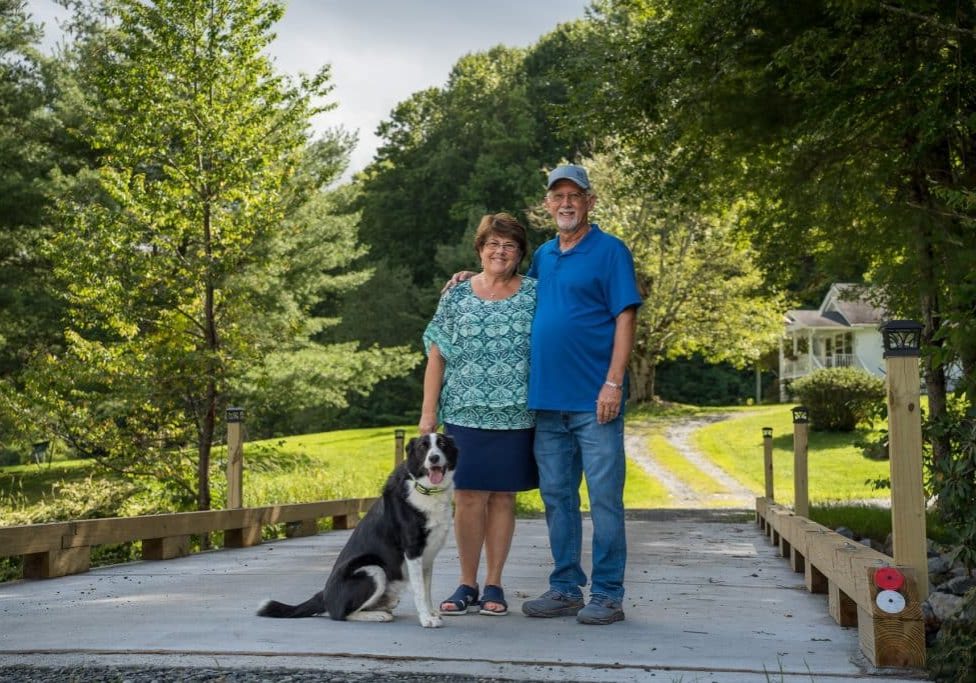
The Rocky Road — and Bridge — to Recovery
Hurricane Helene is estimated to have damaged nearly 7,000 private roads and bridges in Western North Carolina. Two years later, many restoration projects are complete, but the journey hasn’t been easy — and isn’t over for others.
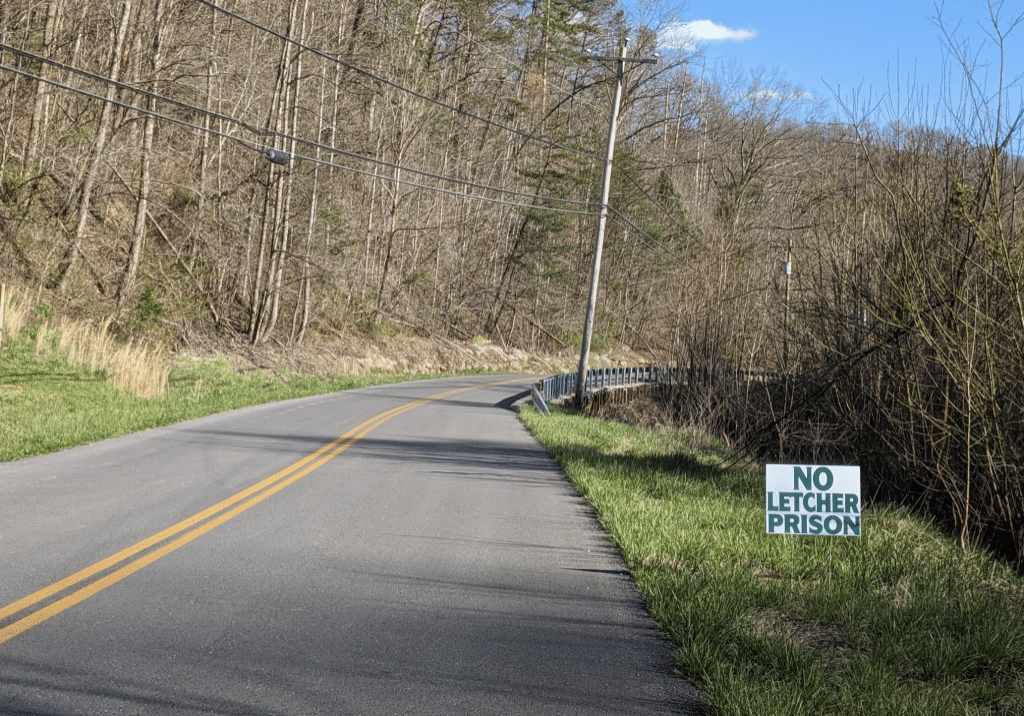
After 20 Years, Letcher County Prison Proposal Is Still Alive, Though Obstacles Remain
A $605 million proposal for a federal prison on a former strip mine site in Letcher County, Kentucky, championed by U.S. Rep. Hal Rogers, refuses to die, despite local opposition, a lack of support from the executive branch and numerous other obstacles.
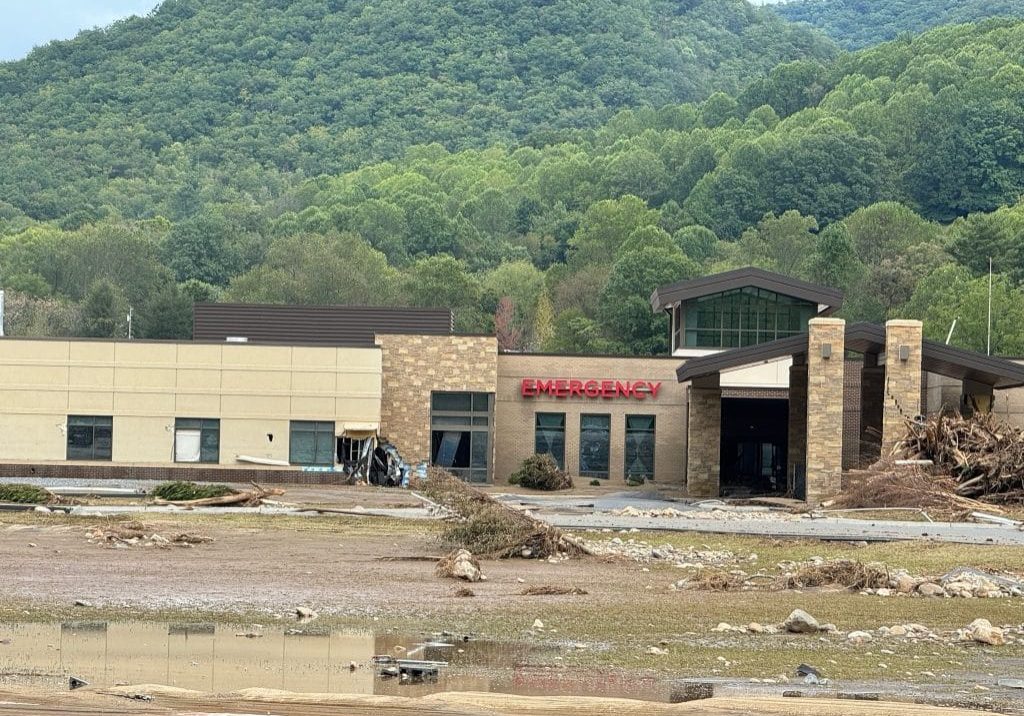
The Washout and Rebuild
For nearly two years, residents of Unicoi County, Tennessee, have had to make do without a hospital after Hurricane Helene destroyed the rural hospital. Ballad Health, which owns the hospital, broke ground on a new location — in another floodplain — in August 2026.
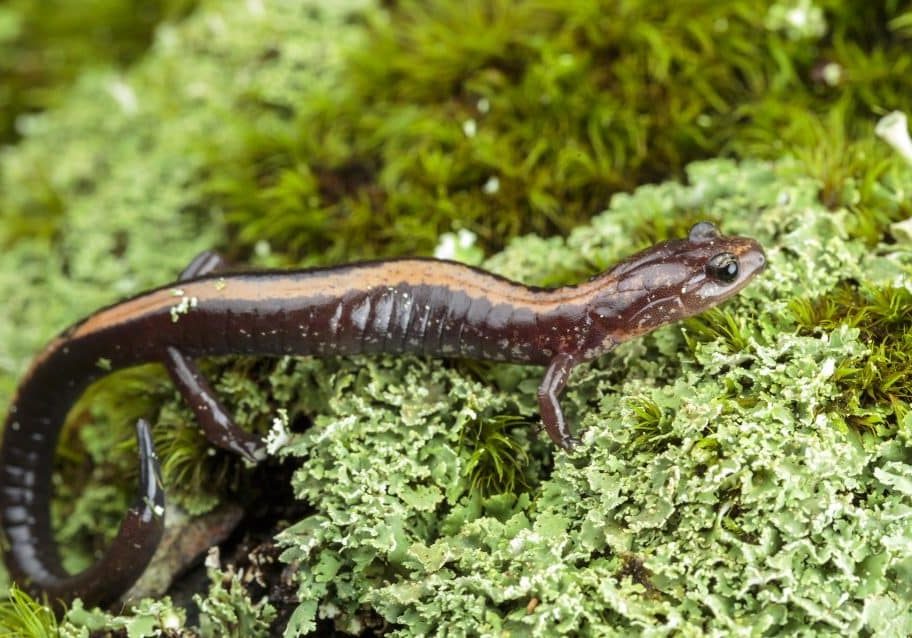
The Shenandoah Salamander
The Shenandoah salamander is a woodland salamander, which has adapted to life at higher elevations away from water. This sparkling rarity lives among the dry leaves, cracked logs, and stony hillocks on the highest peaks of Shenandoah National Park.
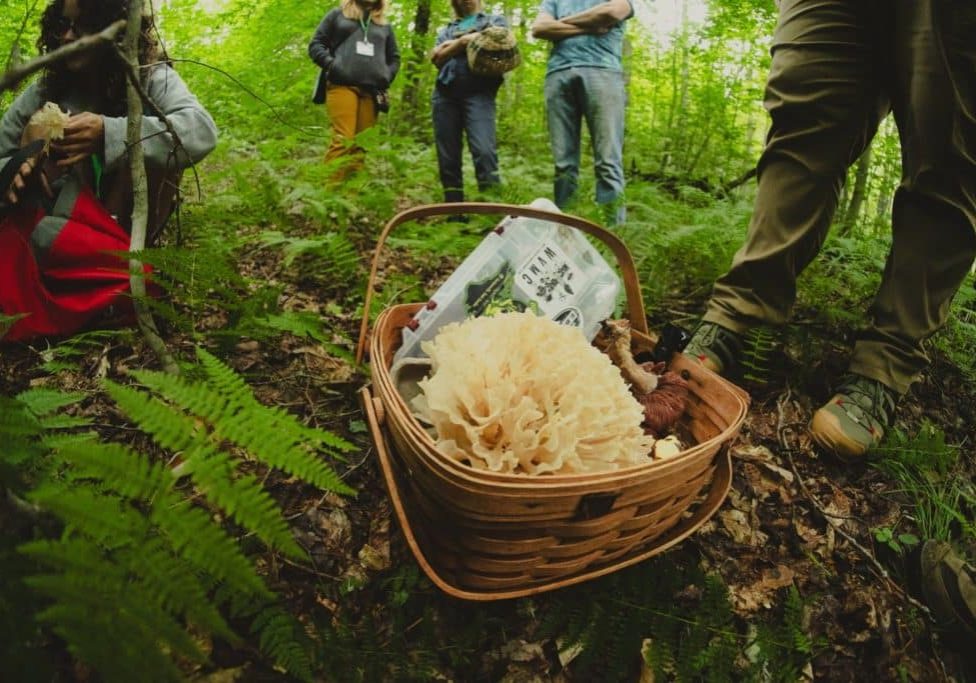
‘Foraging Is a Way of Connecting’
Foraging has experienced a modern resurgence, partly because of social media, online groups, the pandemic and people wanting to connect with nature. It also builds community, whether in person or online.

Leave a comment
Your email address will not be published. Required fields are marked *
Leave a Comment