

Big Trouble for Coal Plants
Big coal is in big trouble. You can see it in the statistics compiled by the Sierra Club:
Nationwide, courts or state governments have forced the cancellation or delay of 59 out of over 160 proposed new coal fired power plants, according to a Sierra Club database.
In 2006, almost 50 new power plants were proposed. None were proposed in 2007.
For example, in October of last year, a mas ive 2,000 Megawatt power plant for Kansas was rejected because of its potential carbon dioxide emissions, and similar objections to many remaining coal projects have been voiced.
In August, another 1500 megawatt Peabody power plant proposed for Muhlenberg County, Kentucky was stopped as the court said a lack of modern pollution controls would not only endanger public health, but also “effectively foreclose construction of any new sources of air pollution in the region, potentially stifling industrial growth for decades to come.”
Along with the lack of CO2 and other pollution controls, another problem is that many utilities have not disclosed any financial liabilities for the possible effects of greenhouse gas regulation in their communications with investors.
Last September, the New York Attorney General’s office subpoenaed Dominion, Peabody and three other energy companies to investigate whether their investors were informed about the potential financial risks posed by coal-burning plants which release global warming pollution emissions.
Opposition to the Wise County power plant is part of a much broader campaign against a utility industry that has tried to get new coal fired powerplants in “under the wire” of action about climate change, which seems highly probable in the next few years.
“There were a whole series of old style coal plants being developed in a rush in the Southeast,” said Cale Jaffe of the Southern Environmental Law Center. “We sent out a call to arms, and what’s amazing is how strongly people have responded.”
“We know that Congress will pass climate change legislation,” Jaffe said. “We don’t know the exact form it will take, but it is a risky time for coal fired power plants.”
Jaffee said building a new plant was like buying a new car when the dealer tells you how much it will cost in four years. “No one would operate like that, but that’s what the power companies are doing.”
Related Articles
Latest News
More Stories
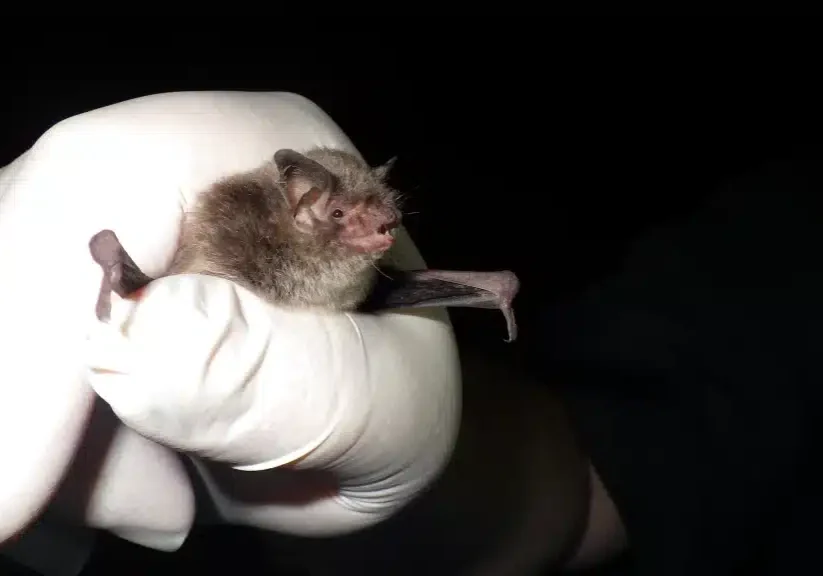
Signs of Life
In the Nantahala National Forest, a team of biologists spotted Indiana bats, an endangered species that hasn’t been seen in North Carolina for the last 11 years.
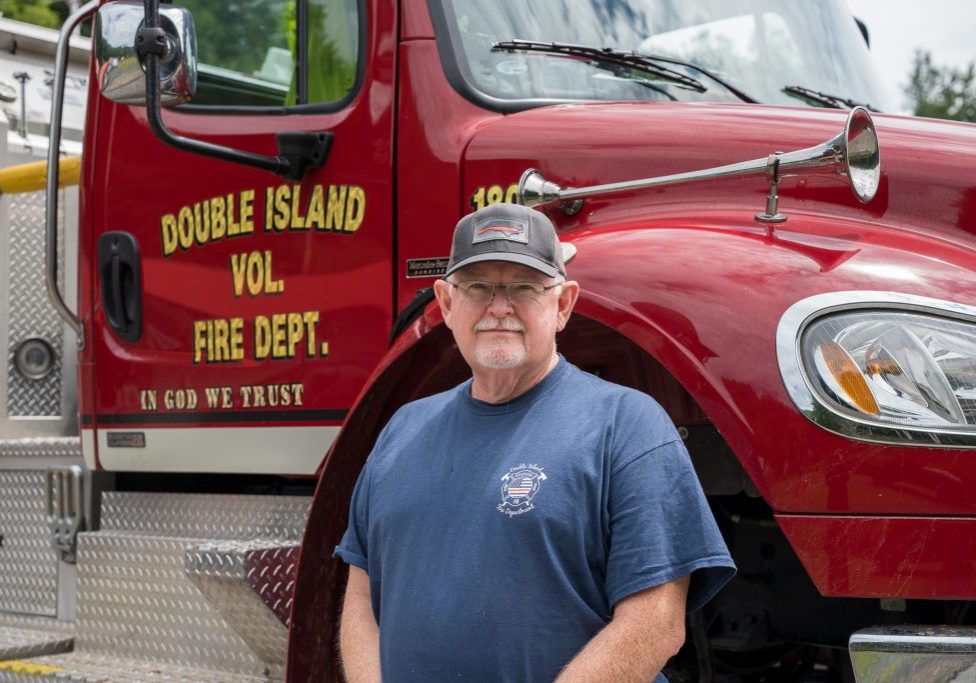
‘First Line of Defense’
During Hurricane Helene and its aftermath, rural fire departments and other first responder hubs played critical roles in keeping their communities safe, even without power and cut off from outside support for days or weeks after the storm. Two years later, plenty of work remains to ensure these hubs have the resources they need to operate day to day and be ready when emergencies or natural disasters strike.
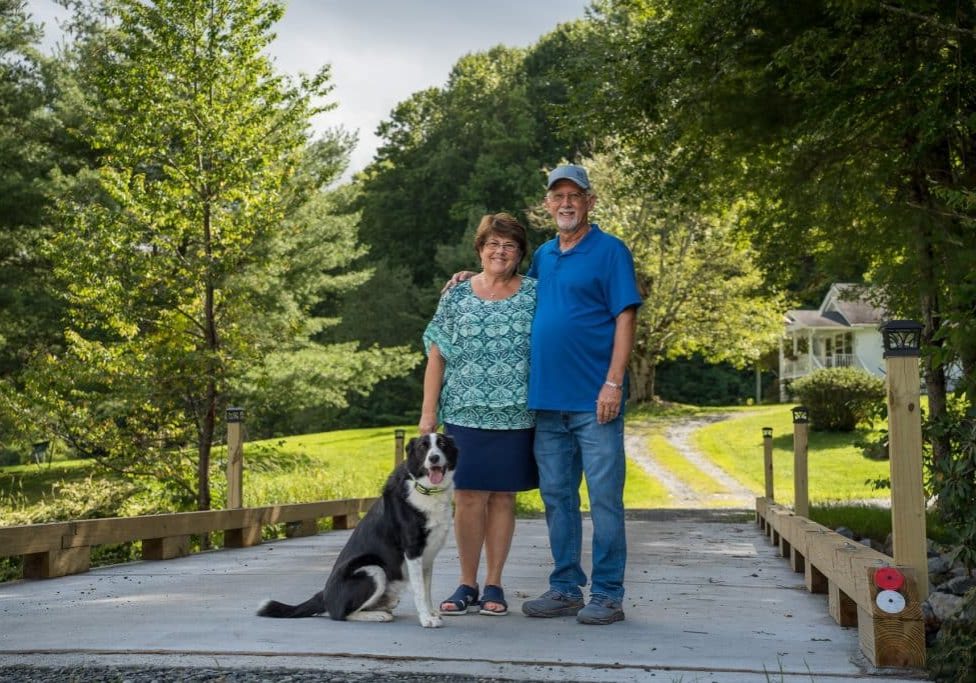
The Rocky Road — and Bridge — to Recovery
Hurricane Helene is estimated to have damaged nearly 7,000 private roads and bridges in Western North Carolina. Two years later, many restoration projects are complete, but the journey hasn’t been easy — and isn’t over for others.
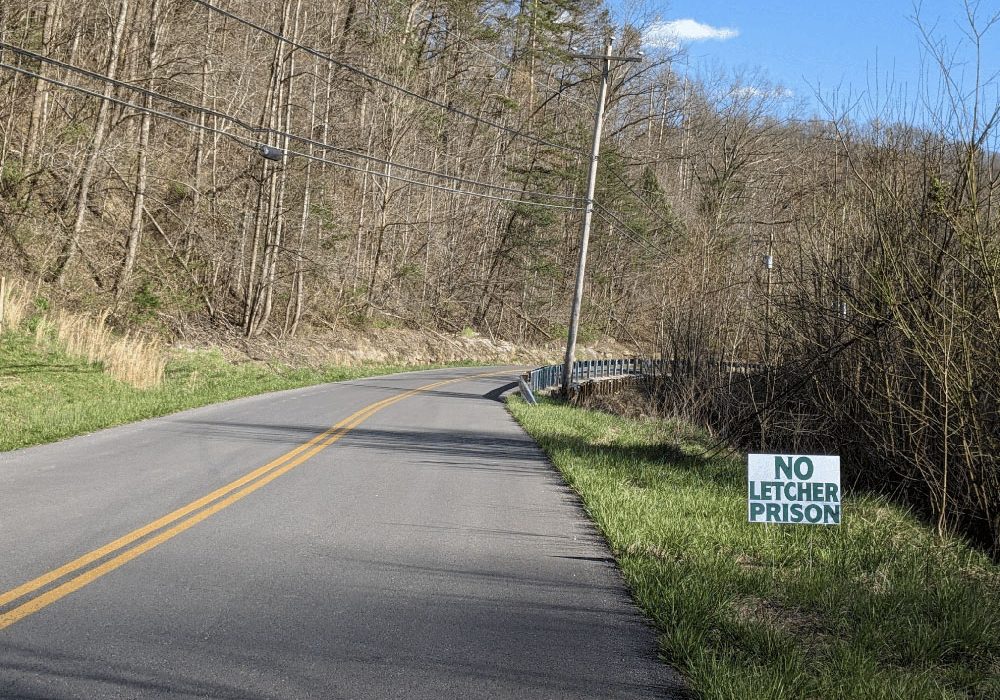
After 20 Years, Letcher County Prison Proposal Is Still Alive, Though Obstacles Remain
A $605 million proposal for a federal prison on a former strip mine site in Letcher County, Kentucky, championed by U.S. Rep. Hal Rogers, refuses to die, despite local opposition, a lack of support from the executive branch and numerous other obstacles.
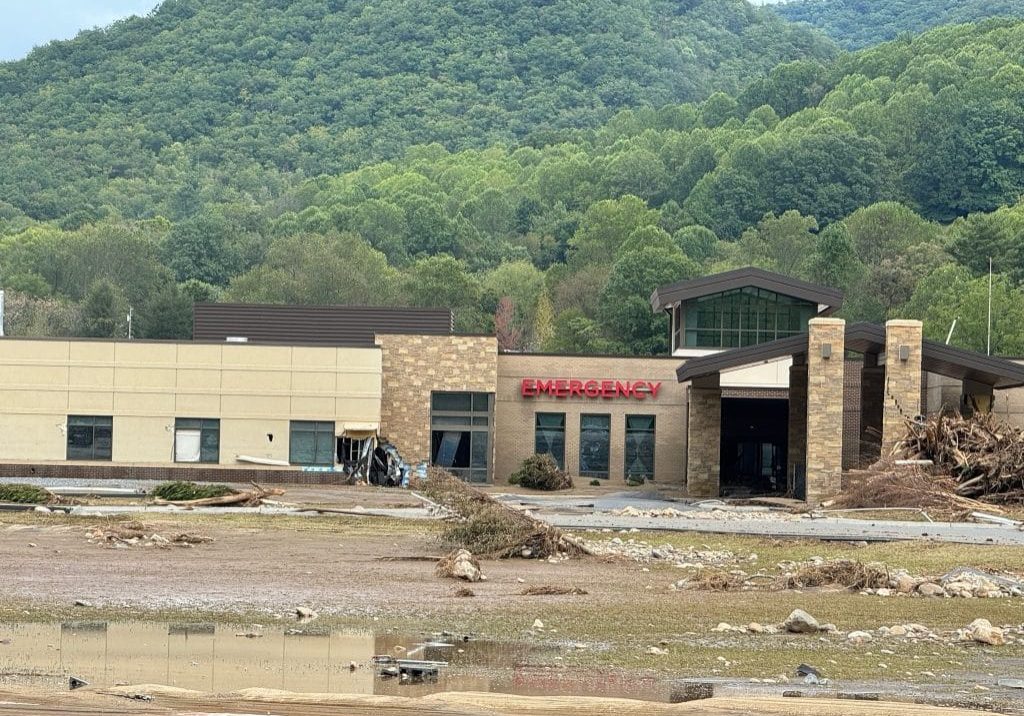
The Washout and Rebuild
For nearly two years, residents of Unicoi County, Tennessee, have had to make do without a hospital after Hurricane Helene destroyed the rural hospital. Ballad Health, which owns the hospital, broke ground on a new location — in another floodplain — in August 2026.
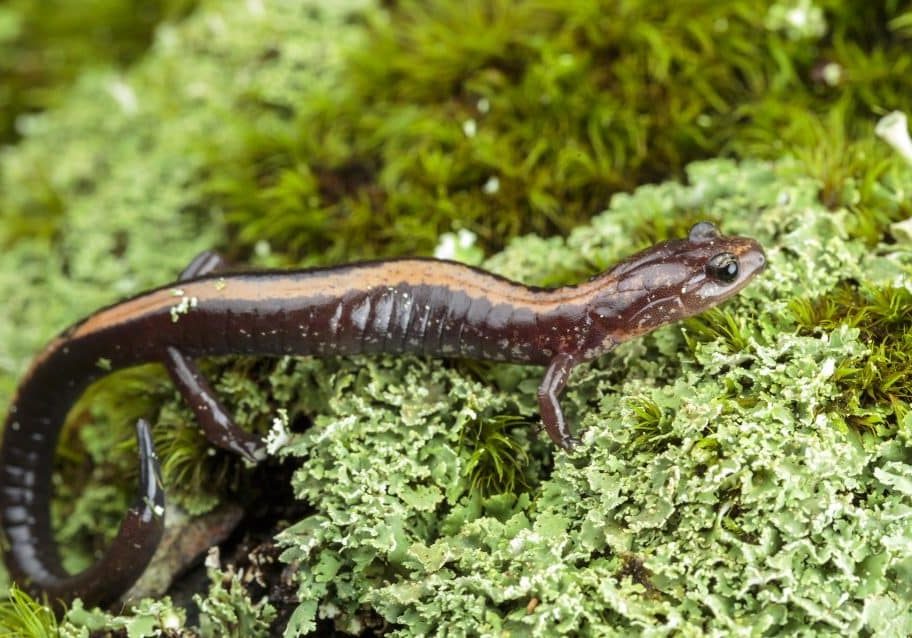
The Shenandoah Salamander
The Shenandoah salamander is a woodland salamander, which has adapted to life at higher elevations away from water. This sparkling rarity lives among the dry leaves, cracked logs, and stony hillocks on the highest peaks of Shenandoah National Park.

Leave a comment
Your email address will not be published. Required fields are marked *
Leave a Comment