

Renewable Energy from Landfill Gas Fires Glassblowing
Hand thrown pottery and blown glass have a high aesthetic value, but they also come with a fairly high price tag in terms of energy use and environmental impact.
EnergyXchange, an arts incubator project in Yancey County, is working to change that by using landfill gas that would ordinarily be wasted.
“It’s a phenomenal opportunity to blow glass at a moderate expense, guilt free,” said Pablo Soto, a resident artist. Soto believes the reuse of landfill gas has potential on an even larger scale in the arts community.
Glass and pottery studios are built next to a capped six-acre county landfill taking advantage of the methane gas produced by the decaying debris. The gas is routed through a network of pipes to a blower station where it is pressurized. From there the gas is piped to the studios where it fuels a 2,400 degree kiln and heats torches used for glass blowing.
Burning the methane creates energy in the form of heat, water vapor and CO2. If the methane was not burned it would be released into the air where it would do 21 times more damage than CO2, according to Heather Dawes, EnergyXchange executive director.
The gas won’t last forever though. Dawes believes the landfill’s usable gas may run out in six years, though she says that is only her personal opinion.
“We’re exploring a lot of other sources of energy,” she said.
One possibility is vegetable oil-powered kilns though sawdust, a by-product of the area’s many sawmills, is more likely, Dawes said. The material can be composted with a bio-digester, producing gas to fuel the kilns. Dawes says the process is easier than harvesting gas from landfills.
EnergyXchange is serving as a model for other landfill gas arts projects.
“We’ve learned a lot,” Dawes said. “Being the first, sometimes lessons are hard.”
One of those lessons included the results of using unfiltered landfill gas on boilers and other systems.
EnergyXchange, which started in 1999 was the brainchild of Lyon Taylor, a board member of Blue Ridge Resource Conservation and Development. He worked with Stan Steury of Blue Ridge RC&D to get it started. Phillip Johnson of Mayland Community College came on board with the greenhouse portion. After a gas analysis was done, Becky Anderson of Handmade in America brought in the craft incubator component.
Artists at EnergyXchange save approximately $1,000 a month on fuel costs.
They also learn how to make a living as artists. There are classes on contracts, marketing, recording keeping, taxes and creating business entities.
“We are very serious about them developing their business,” Dawes said.
For potter Amber Bewernitz the last three years have been a chance to gauge her production level, learn to price her art, find out which shows are most profitable and develop relationships with galleries all while keeping overhead costs down. A class on taxes was particularly helpful, Bewernitz said. She is one of four potters at EnergyXchange.
EnergyXchange provides an on-site gallery, free Internet, office space and low-rent studio space.
Bewernitz heard about the program while studying at Haywood Community College’s professional crafts program.
“The word is out,” she said.
Bewernitz, Soto, Anthony Scheffermyer, Claire Kelly, and David Eichelberge will finish their residencies this summer. Soto is opening a studio at his home in the nearby Penland community, near the art school by the same name. Bewernitz is getting married and moving to Erwin, TN where she also will open a studio at her new home.
Both say they are excited about their own studios but will miss working around other artists.
“You learn, you benefit from each other’s knowledge,” Soto said.
Bewernitz describes a sense of camaraderie.
“We all like each other. We socialize,” she said.
The natural vistas surrounding the studios have influenced the colors Bewernitz’s chooses as glazes for the functional porcelain dinnerware she creates.
EnergyXchange is also home to Project Branch Out, a horticulture program. Landfill gas heats the water used in a radiant flooring system that keeps the greenhouses warm, though wind turbines are being installed to take the place of the gases.
Native rhododendron and azalea plants fill the greenhouses in the spring. The seedlings are sold to local wholesale nurseries giving them options beyond tobacco and boxwood plants, Dawes said. The plants are then sold all along the east coast. The easy availability of the rhododendron and azaleas through EnergyXchange also reduces the number of plants harvested out of the wild. At the requests of beekeepers the greenhouses have also started sourwood trees.
A small pond filled with edible tilapia fish sits inside one greenhouse. Solar heat keeps the water warm. It continually cycles between the pond through a drip irrigation system onto beds filled with salad green and herb plants. The gravel beds then filter the water before it goes back into the pond.
Major grants have come from the Golden Leaf Foundation, the EPA’s Landfill Methane Outreach Program., Z. Smith Reynolds Foundation and the Appalachian Regional Commission. EnergyXchange also has greenhouses at the Avery County landfill.
Related Articles
Latest News
More Stories

Signs of Life
In the Nantahala National Forest, a team of biologists spotted Indiana bats, an endangered species that hasn’t been seen in North Carolina for the last 11 years.

‘First Line of Defense’
During Hurricane Helene and its aftermath, rural fire departments and other first responder hubs played critical roles in keeping their communities safe, even without power and cut off from outside support for days or weeks after the storm. Two years later, plenty of work remains to ensure these hubs have the resources they need to operate day to day and be ready when emergencies or natural disasters strike.

The Rocky Road — and Bridge — to Recovery
Hurricane Helene is estimated to have damaged nearly 7,000 private roads and bridges in Western North Carolina. Two years later, many restoration projects are complete, but the journey hasn’t been easy — and isn’t over for others.
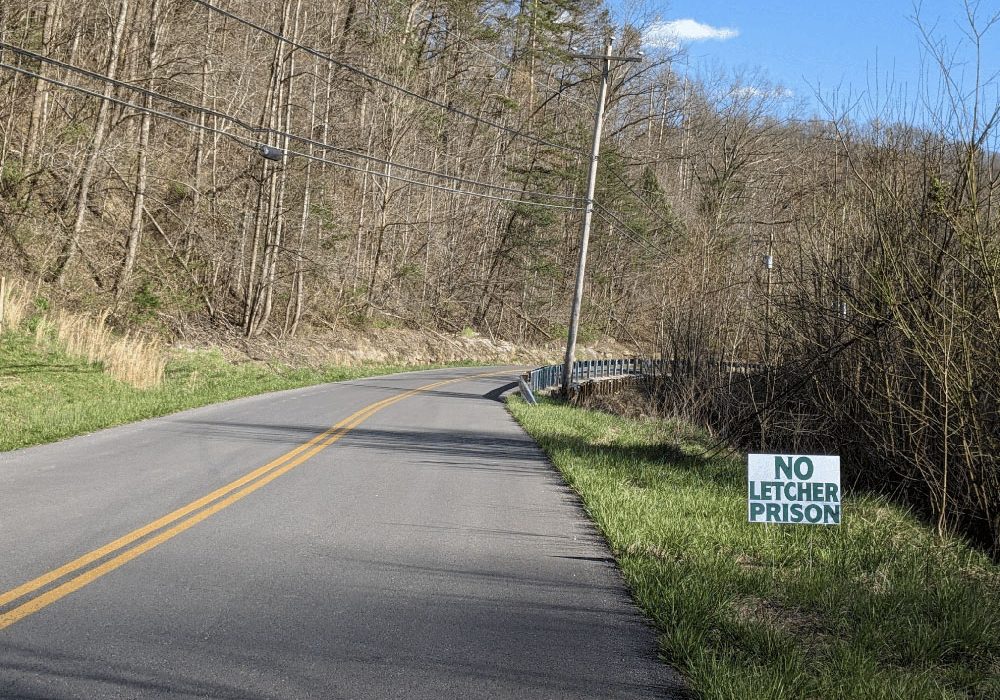
After 20 Years, Letcher County Prison Proposal Is Still Alive, Though Obstacles Remain
A $605 million proposal for a federal prison on a former strip mine site in Letcher County, Kentucky, championed by U.S. Rep. Hal Rogers, refuses to die, despite local opposition, a lack of support from the executive branch and numerous other obstacles.
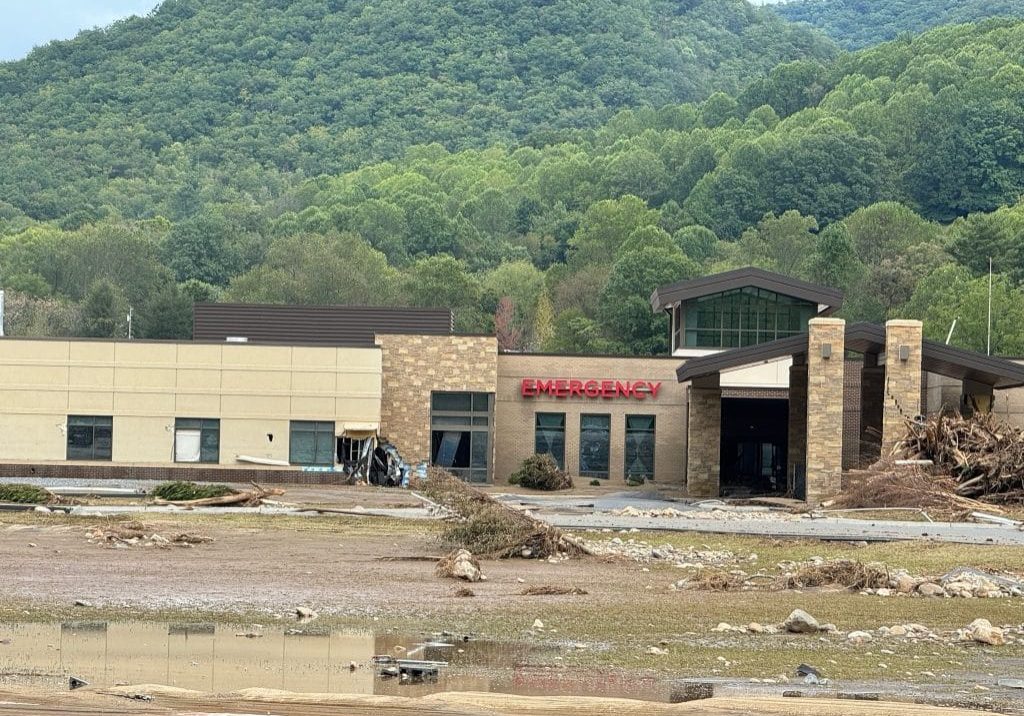
The Washout and Rebuild
For nearly two years, residents of Unicoi County, Tennessee, have had to make do without a hospital after Hurricane Helene destroyed the rural hospital. Ballad Health, which owns the hospital, broke ground on a new location — in another floodplain — in August 2026.

The Shenandoah Salamander
The Shenandoah salamander is a woodland salamander, which has adapted to life at higher elevations away from water. This sparkling rarity lives among the dry leaves, cracked logs, and stony hillocks on the highest peaks of Shenandoah National Park.

Leave a comment
Your email address will not be published. Required fields are marked *
Leave a Comment