

Squirreling away secrets at the US Fish & Wildlife Service
“Ginny,” the West Virginia northern flying squirrel (glaucomys sabrinus fuscus) is a charming, big-eyed, nocturnal creature that lives only in the high Allegheny Mountains — in seven counties in West Virginia, and one county in Virginia.
At night, Ginny and her family glide from the trees to the moist forest floor, where they feed on underground fungi. By day, Ginny nests and raises her young in mature hardwood and spruce forests. Her special home is the beloved Blackwater Canyon, West Virginia’s scenic crown jewel.
Ginny is a relic of the last Ice Age. When the glaciers retreated, Ginny’s ancestors were isolated on the high mountain ridges. Like many West Virginians (human and otherwise), Ginny evolved a remarkable lifestyle, surviving in a demanding and specialized habitat.
Ginny has been on the federal Endangered Species List since 1985. U.S. Fish and Wildlife Service staff say they have had no funding to establish and implement a proper recovery plan for Ginny and her species under the Endangered Species Act.
In 2006, top officials at Fish and Wildlife announced a fast-track “de-listing” proposal for Ginny. Their plan is to strip all federal endangered species protection from the West Virginia northern flying squirrel.
To add insult to injury, just as the public comment period on their plan was beginning, Fish and Wildlife officials said they would “withhold” more than 2,000 pages in their files relating to their “Strip the Squirrel” plan from any public inspection!
Just what kind of hanky-panky is going on at the Fish and Wildlife Service?
Well, it looks like hiding documents about agency plans for Ginny may be part of a larger, national problem.
The March 2007 issue of Sierra magazine reports evidence suggesting that political appointees in the Department of the Interior are subverting the species protection mission of the Fish and Wildlife Service.
Here’s how the Beltway’s “culture of secrecy” is playing out in West Virginia:
Seven months ago, the “Save Our Squirrel” Coalition asked for the documents that Fish and Wildlife relied on in preparing its plan. Fish and Wildlife released some documents, but it also filed an official response saying that the public could not see 2,325 pages in the agency’s files.
Fish and Wildlife officials say these pages are secret, because the documents are “pre-decisional.” That means the documents show what people in the agency have been doing and thinking since the governmental process started — out of the public view — more than three years ago.
Excuse me? This isn’t national security. What can be so secret about a squirrel?
And what is so wrong with the public knowing what our employees are thinking and doing?
Of course, we don’t have to see any secret documents to realize that the “Strip the Squirrel” plan is illegal and absurd. Fish and Wildlife admits it has no idea how many squirrels there are. The acknowledged threats to Ginny and her habitat are growing, not shrinking. The documents that have been released suggest that the meager scientific data have been “cherry-picked” and mischaracterized, to support an unjustified but predetermined conclusion. (Does that sound familiar?)
The record also shows that the service’s “fast track” protection removal process for Ginny began confidentially, long before the plan was publicly announced last year. In the past, other species’ suitability for “de-listing” has been publicly studied and assessed over a number of years. (There’s more trouble brewing — we’ve just learned that Fish and Wildlife is doing an in-house de-listing review for at least three more high-mountain West Virginia forest species.)
Fish and Wildlife claims we can trust the Monongahela National Forest to protect Ginny, even without endangered species protection, but the new Mon Forest Plan authorizes a substantial increase in logging in squirrel habitat — what kind of protection is that?
Federal endangered species protection for Ginny is crucial. The teachings of the spirit, science, law, common sense, and pure self-interest are agreed: we must protect this rare, high-mountain “signature species” of the West Virginia Highlands.
Spiritually, we are partners with Ginny in the Creation — and our human species has a special duty of stewardship. Legally, our democratically enacted and well-settled law, the Endangered Species Act, demands continued protection.
Selfishly, the Allegheny Highlands are among West Virginia’s great natural resources and sustainable development engines. Federal legal protection for Ginny helps preserve the beauty, the clean water, the clean air and the diverse wildlife of the region.
Most important, more than 20 years of experience proves that there is plenty of room under endangered species protection to accommodate all reasonable private business and public needs.
The “Save Our Squirrel” Coalition is confident that the illegal, improper, and unwise Fish and Wildlife de-listing plan must and will founder on the shoals of public opposition on every front — scientific, legal, and civic. West Virginians and our allies will not knuckle under to Beltway machinations.
Meanwhile, Congress should immediately investigate the “Strip the Squirrel” document cover-up — along with all other improper influence and mismanagement in enforcing and defending the Endangered Species Act.
For information on how you can help Ginny, the West Virginia northern flying squirrel, go to www.saveblackwater.org; or call (877) WVA-LAND.
Rodd is director of Friends of Blackwater.
Related Articles
Latest News
More Stories
Signs of Life
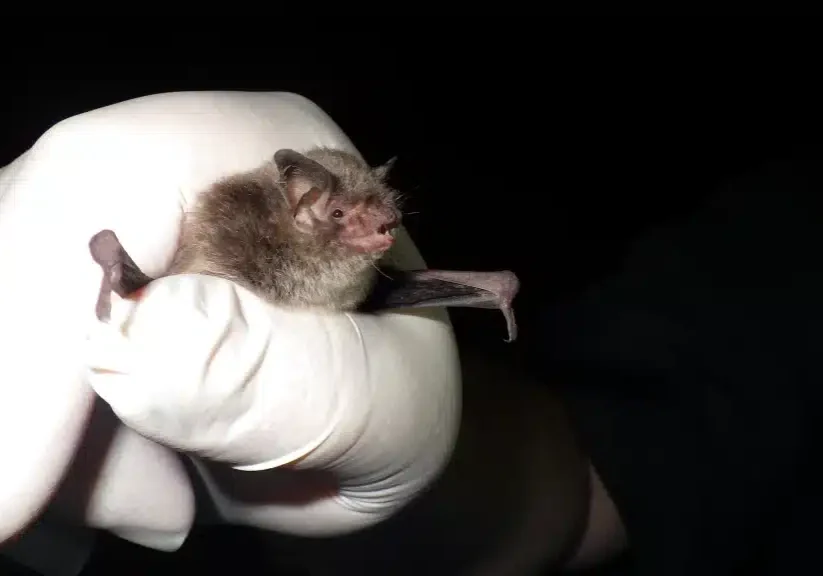
In the Nantahala National Forest, a team of biologists spotted Indiana bats, an endangered species that hasn’t been seen in North Carolina for the last 11 years.
‘First Line of Defense’
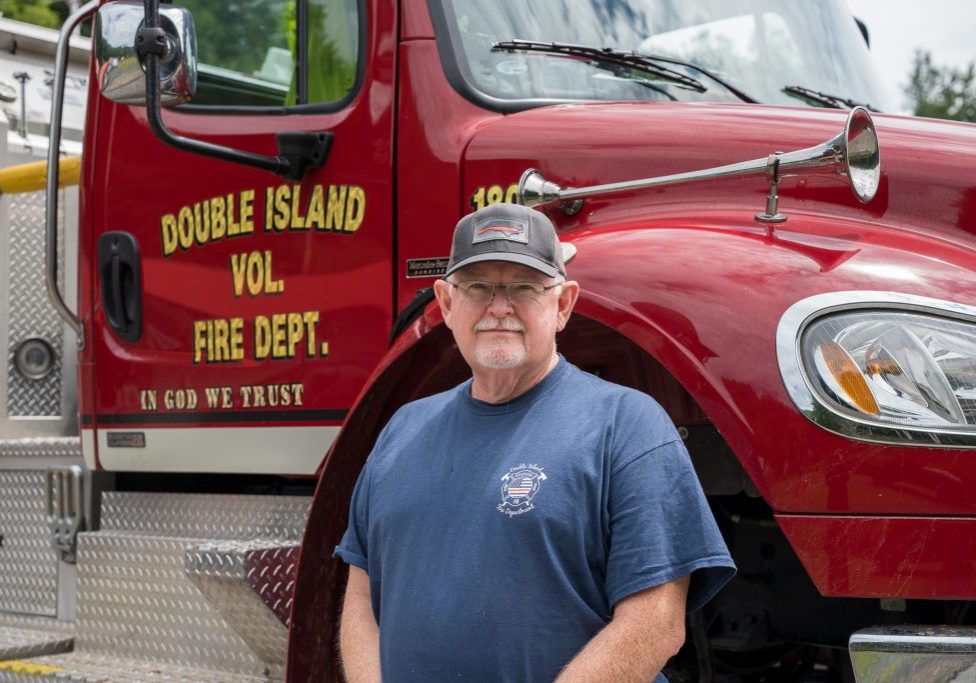
During Hurricane Helene and its aftermath, rural fire departments and other first responder hubs played critical roles in keeping their communities safe, even without power and cut off from outside support for days or weeks after the storm. Two years later, plenty of work remains to ensure these hubs have the resources they need to operate day to day and be ready when emergencies or natural disasters strike.
The Rocky Road — and Bridge — to Recovery
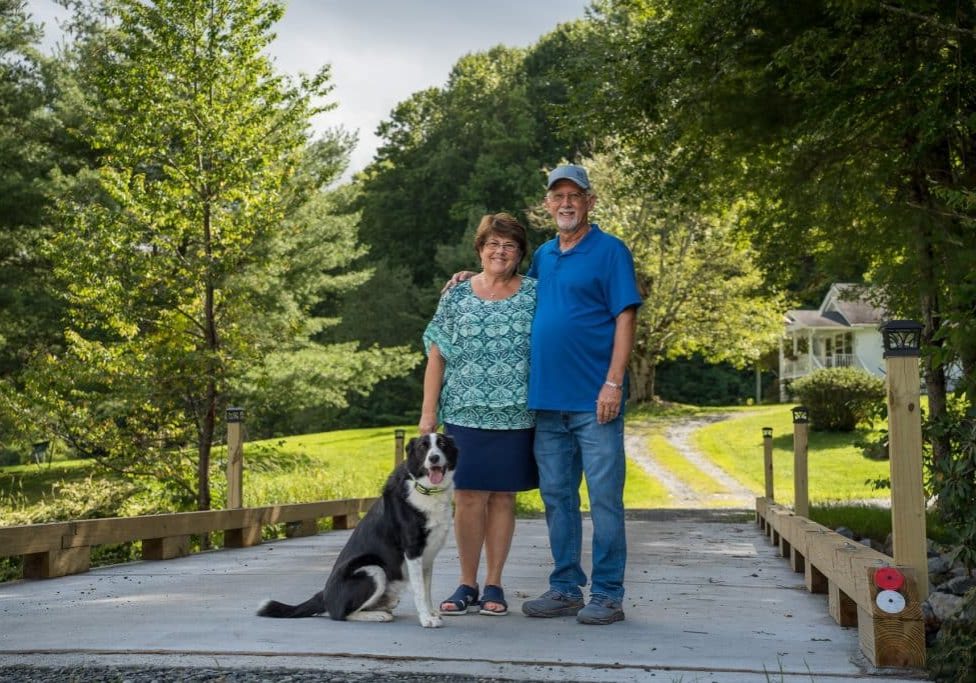
Hurricane Helene is estimated to have damaged nearly 7,000 private roads and bridges in Western North Carolina. Two years later, many restoration projects are complete, but the journey hasn’t been easy — and isn’t over for others.
After 20 Years, Letcher County Prison Proposal Is Still Alive, Though Obstacles Remain
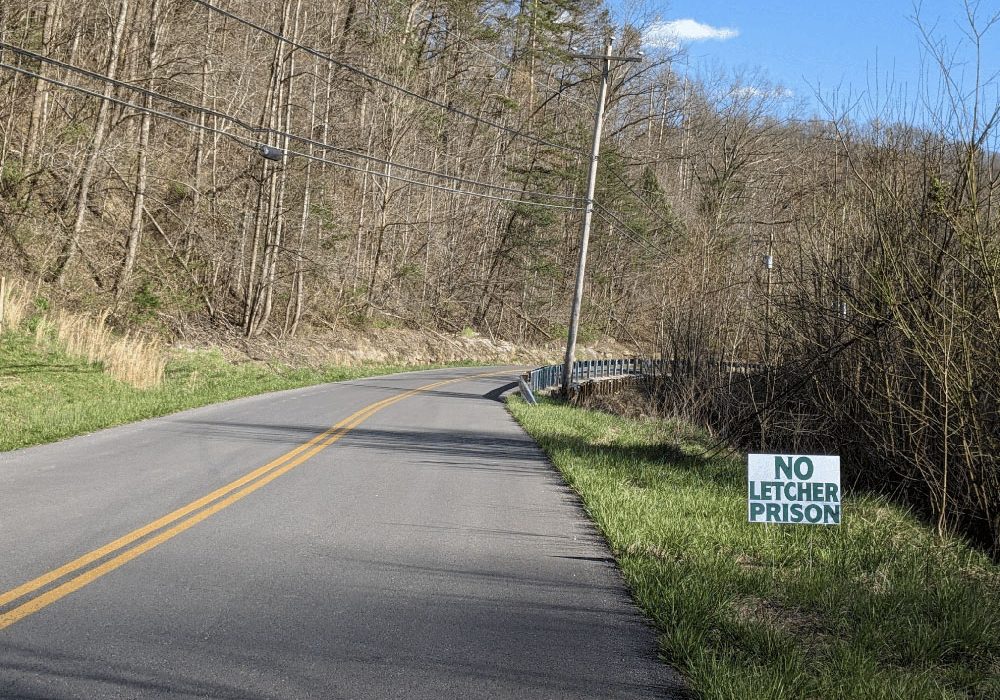
A $605 million proposal for a federal prison on a former strip mine site in Letcher County, Kentucky, championed by U.S. Rep. Hal Rogers, refuses to die, despite local opposition, a lack of support from the executive branch and numerous other obstacles.
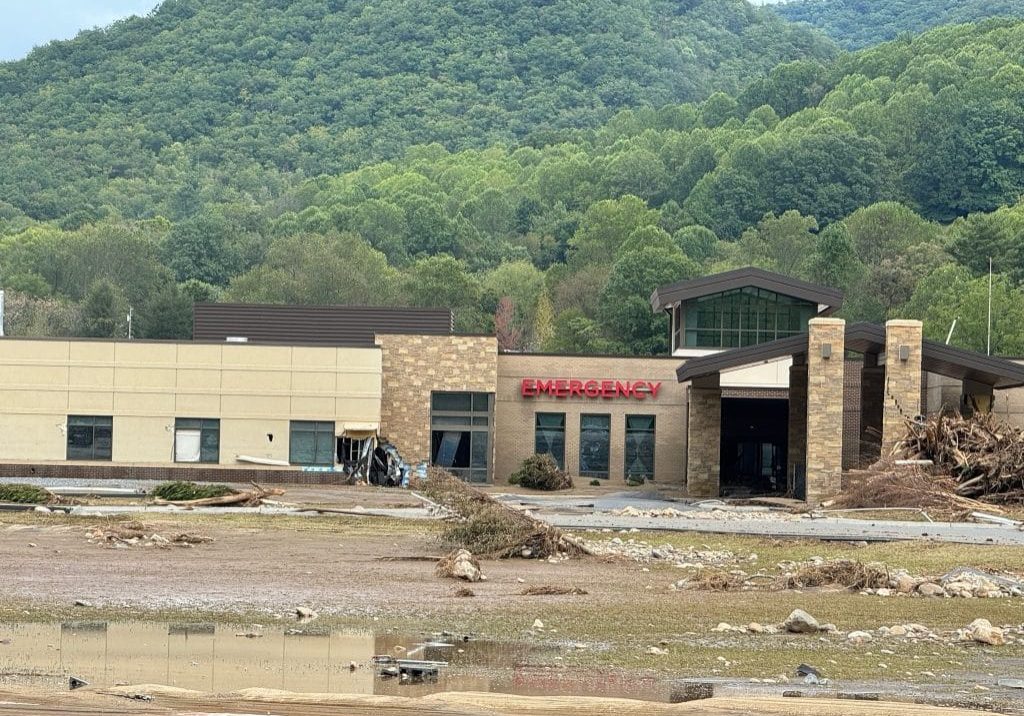
The Washout and Rebuild
For nearly two years, residents of Unicoi County, Tennessee, have had to make do without a hospital after Hurricane Helene destroyed the rural hospital. Ballad Health, which owns the hospital, broke ground on a new location — in another floodplain — in August 2026.
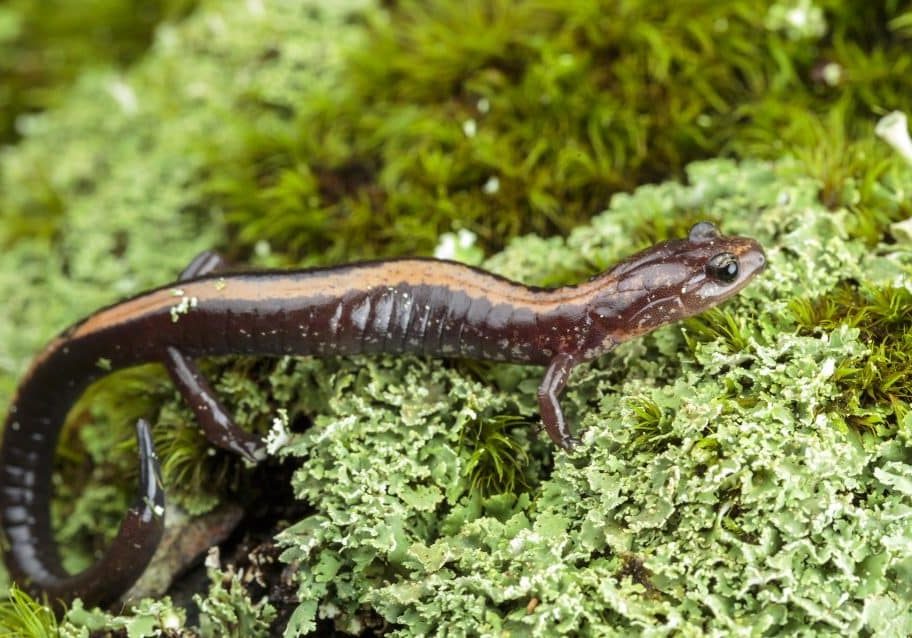
The Shenandoah Salamander
The Shenandoah salamander is a woodland salamander, which has adapted to life at higher elevations away from water. This sparkling rarity lives among the dry leaves, cracked logs, and stony hillocks on the highest peaks of Shenandoah National Park.

Leave a comment
Your email address will not be published. Required fields are marked *
Leave a Comment