

Sustainable Forestry Alliance Forms
As 2001 rolled into its first breath of spring, the Southeast saw rise to a new alliance whose sole mission is dealing with sustainable forestry and landowner outreach.
Unlike other multi-organizational groups, the Southern Sustainable Forestry Alliance (SSFA), as it is called, reaches out to not only conservation organizations, but also to landowners, foresters, loggers, mill operators, herb gatherers and anyone working with the long-term, sustainable management of forests.
In late March, the SSFA met for the first time in Moulton, Alabama. Over half a dozen groups from all over the Southeast from Alabama to Virginia met for a weekend of questions and answers. There were more questions than answers, but there was a consensus that the practice of sustainable forestry, or social forestry as some may call it, is one of the hottest issues in private land forestry in the south.
As mandated by the first gathering, the SSFA met again on June 9, 2001 to once again share ideas about private lands forestry. Conservation organizations, foresters, and forest landowners attended the second gathering, much like the first. The meeting was held in beautiful southwestern Virginia at the Natural Tunnel State Park.
At this meeting, the group focused more on the path of the SSFA. Identifying the mission, vision, and goals; brainstorming ways to reach a wider audience; and committing to several collaboration efforts to empower landowners in the methods of long-term, uneven aged management.
The meeting’s highlight was a presentation by the highly successful Northern Forest Alliance out of Montpelier, Vermont. Michael Giamusso, policy and program coordinator for the NFA, gave a 90-minute account of 10 years of celebratory successes. The NFA works with 40 different conservation groups, foresters, land trusts, and consultants to manage nearly 6 million acres combined in the northern forest.
The Northern Forest Alliance’s present and future projects are impressive and revolutionary in scope. The SSFA saw many correlations to the issues of sustainable forestry and landowner outreach in the north. Landowners in both locales seem interested in finding alternatives to the damaging impacts of clearcutting and other heavy-handed logging practices.
The SSFA exists solely to reach out to private landowners looking to change the way their forests are managed. The group supports value-added techniques, non-timber forest products, economical solar kilns and overall health of southern forests and the communities that flourish from them. Participants see the shift going to less impactive methods of timber harvest, utilizing artisan co-ops, and the increased education of forest landowners as a major step to strengthening rural economies that rely on the forest for their livelihood.
The outlook for this newly organized collection of forestry advocates looks promising. With the guidance and knowledge of their northern counterpart, the SSFA is sure to make its mark and become a strong leader in private lands outreach. The current 50 members are already working on a southeastern landowners guide, position papers, and an educational video of up and running sustainable communities in the South. The group has also started an online virtual office in which to communicate and educate those working in sustainable forestry.
The next meeting is set for sometime early in November in Asheville, NC. The alliance welcomes all who are interested in sustainable forestry and its long-term economic benefits. If you would like to learn more about the SSFA or attend the next gathering, contact Zog Aitken, Appalachian Voices’ forester, at [email protected] or (828) 225-9685.
Related Articles
Latest News
More Stories

Signs of Life
In the Nantahala National Forest, a team of biologists spotted Indiana bats, an endangered species that hasn’t been seen in North Carolina for the last 11 years.

‘First Line of Defense’
During Hurricane Helene and its aftermath, rural fire departments and other first responder hubs played critical roles in keeping their communities safe, even without power and cut off from outside support for days or weeks after the storm. Two years later, plenty of work remains to ensure these hubs have the resources they need to operate day to day and be ready when emergencies or natural disasters strike.

The Rocky Road — and Bridge — to Recovery
Hurricane Helene is estimated to have damaged nearly 7,000 private roads and bridges in Western North Carolina. Two years later, many restoration projects are complete, but the journey hasn’t been easy — and isn’t over for others.
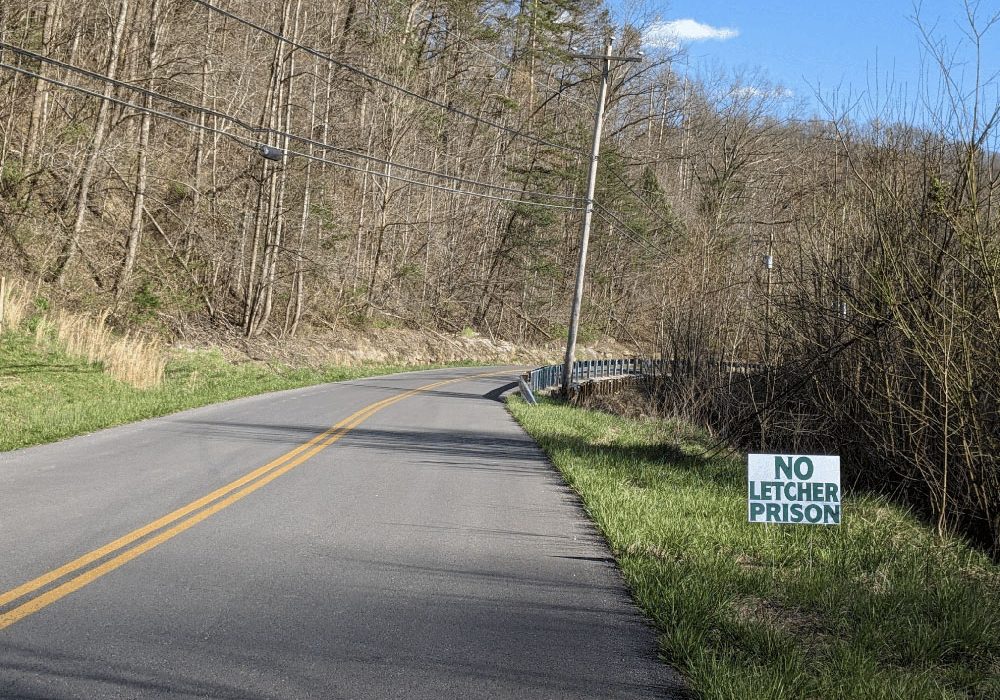
After 20 Years, Letcher County Prison Proposal Is Still Alive, Though Obstacles Remain
A $605 million proposal for a federal prison on a former strip mine site in Letcher County, Kentucky, championed by U.S. Rep. Hal Rogers, refuses to die, despite local opposition, a lack of support from the executive branch and numerous other obstacles.
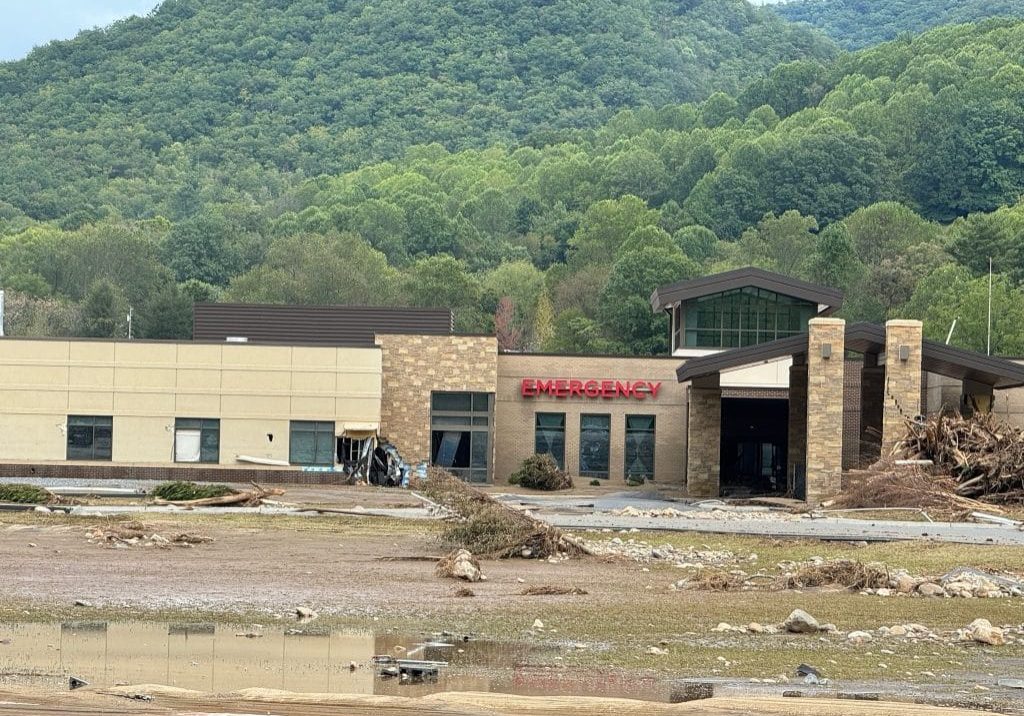
The Washout and Rebuild
For nearly two years, residents of Unicoi County, Tennessee, have had to make do without a hospital after Hurricane Helene destroyed the rural hospital. Ballad Health, which owns the hospital, broke ground on a new location — in another floodplain — in August 2026.

The Shenandoah Salamander
The Shenandoah salamander is a woodland salamander, which has adapted to life at higher elevations away from water. This sparkling rarity lives among the dry leaves, cracked logs, and stony hillocks on the highest peaks of Shenandoah National Park.

Leave a comment
Your email address will not be published. Required fields are marked *
Leave a Comment