

Wilderness Effort Hits Snag
North Carolina Congressman Cass Ballenger’s office has expressed an interest in reintroducing a bill to designate two wilderness study areas just south of Grandfather Mountain as official wilderness.
But in Avery County, where 10,000 of the 13,000 total acres are located, a resolution is before the county commissioners that could deal a severe blow to the chances for these areas, Lost Cove and Harper Creek, to receive permanent protection.
Conservationists, sportsmen, and local businesses have been seeking wilderness designation for these popular recreation areas for more than 20 years and have received past support from Congressman Ballenger.
But a vocal opposition to protecting these areas arose before a new bill has even been introduced. In April, Citizens For A Sound Economy held a meeting in Avery County with the admitted intention of stirring up opposition to new wilderness. At the meeting, CSE described wilderness designation as a “pressing property rights issue.”
Just who is CSE? According to Public Citizen, a non-profit research organization, CSE is a front group for Washington-based corporate lobbyists with an agenda that is set and funded by large, multinational corporations. CSE has launched a campaign of disinformation about wilderness, spreading such lies as: motorized equipment can’t be used to fight wildfires in wilderness areas and that wilderness locks out sportsmen.
Within weeks of CSE’s meeting, a resolution was introduced to the Avery County commissioners by the High Country Sportsmen Coalition to oppose wilderness designation. The fact that a sportsman’s group was induced to introduce this resolution is particularly disturbing, as such groups have traditionally been among the strongest advocates for wilderness and roadless area protection. The bulk of their concerns hinge around promoting wildlife that are dependent on open fields.
But they did not discuss the widely accepted scientific evidence that large blocks of mature and old-growth forest provide critical habitat for both game and non-game wildlife, including man of our most endangered plants and animals. Nor did they acknowledge that some of the best hunting and fishing in the Southern Appalachians is found within wilderness areas.
Sportsmen who care about having wild places in which to hunt, fish, and camp should contact the Avery County commissioners and let them know they value wilderness.
Related Articles
Latest News
More Stories
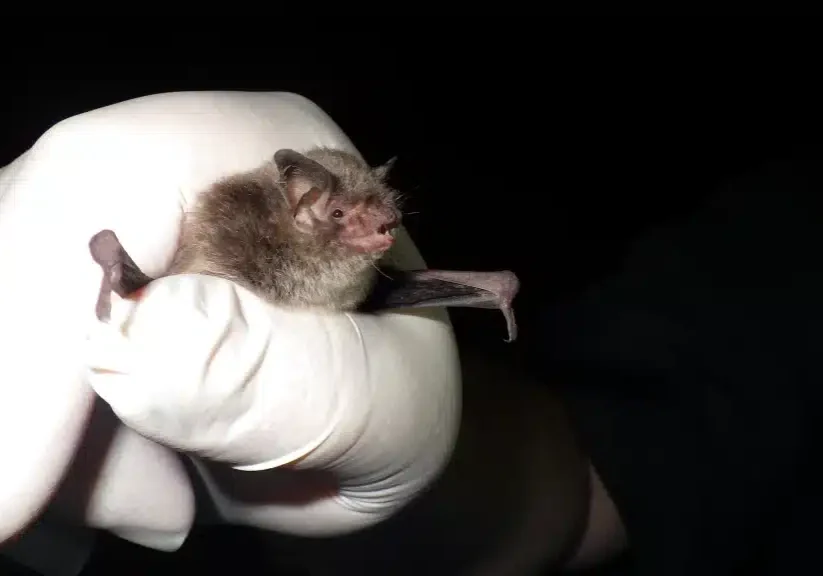
Signs of Life
In the Nantahala National Forest, a team of biologists spotted Indiana bats, an endangered species that hasn’t been seen in North Carolina for the last 11 years.

‘First Line of Defense’
During Hurricane Helene and its aftermath, rural fire departments and other first responder hubs played critical roles in keeping their communities safe, even without power and cut off from outside support for days or weeks after the storm. Two years later, plenty of work remains to ensure these hubs have the resources they need to operate day to day and be ready when emergencies or natural disasters strike.

The Rocky Road — and Bridge — to Recovery
Hurricane Helene is estimated to have damaged nearly 7,000 private roads and bridges in Western North Carolina. Two years later, many restoration projects are complete, but the journey hasn’t been easy — and isn’t over for others.
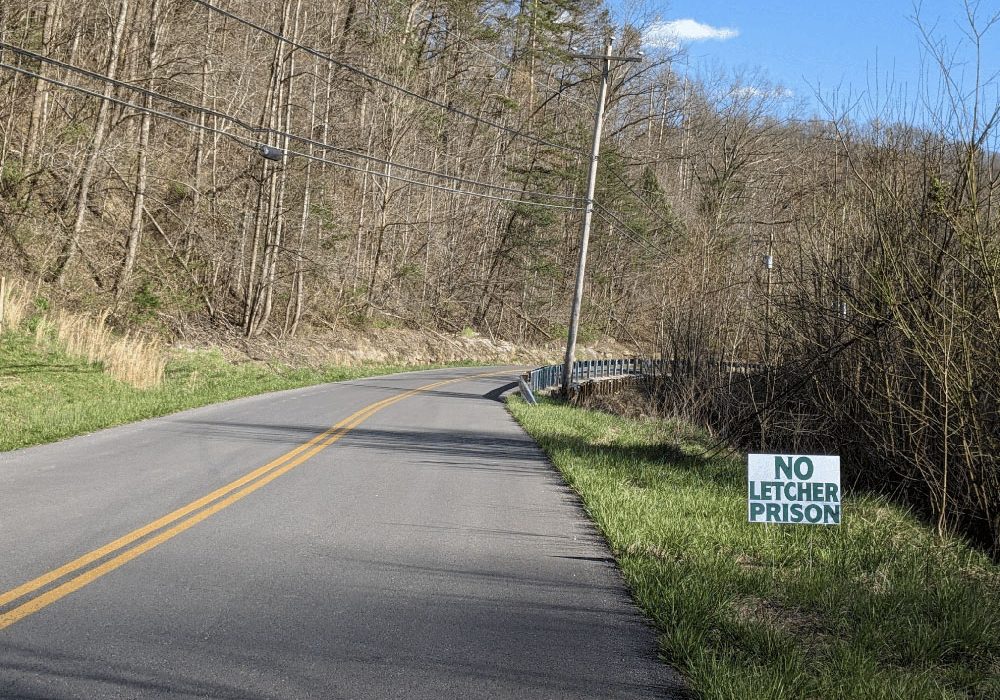
After 20 Years, Letcher County Prison Proposal Is Still Alive, Though Obstacles Remain
A $605 million proposal for a federal prison on a former strip mine site in Letcher County, Kentucky, championed by U.S. Rep. Hal Rogers, refuses to die, despite local opposition, a lack of support from the executive branch and numerous other obstacles.
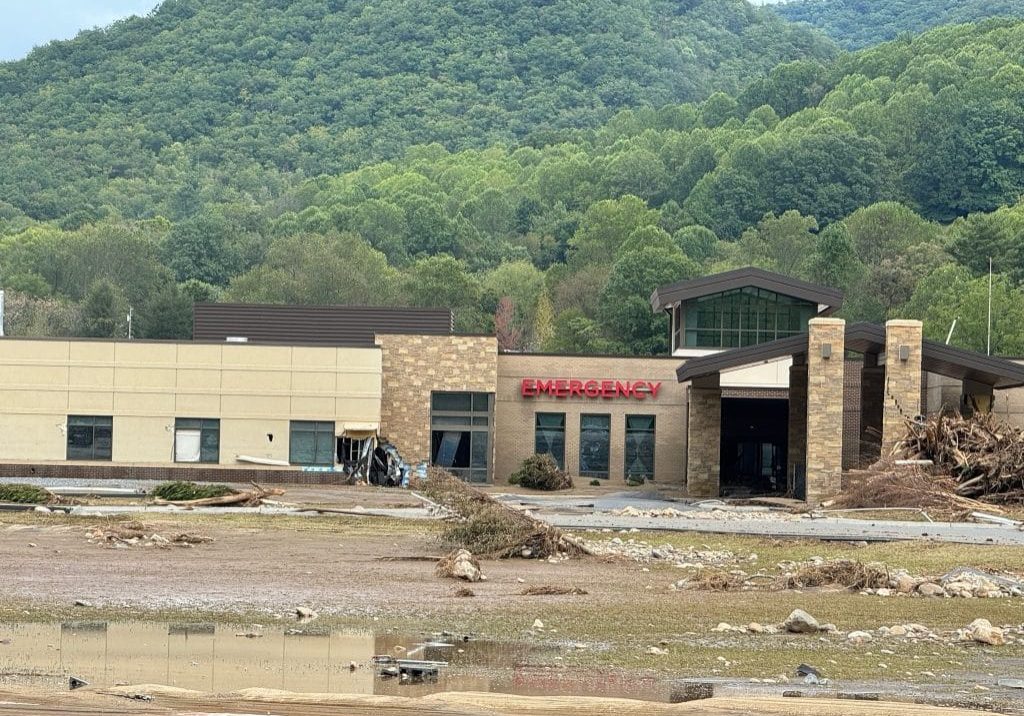
The Washout and Rebuild
For nearly two years, residents of Unicoi County, Tennessee, have had to make do without a hospital after Hurricane Helene destroyed the rural hospital. Ballad Health, which owns the hospital, broke ground on a new location — in another floodplain — in August 2026.
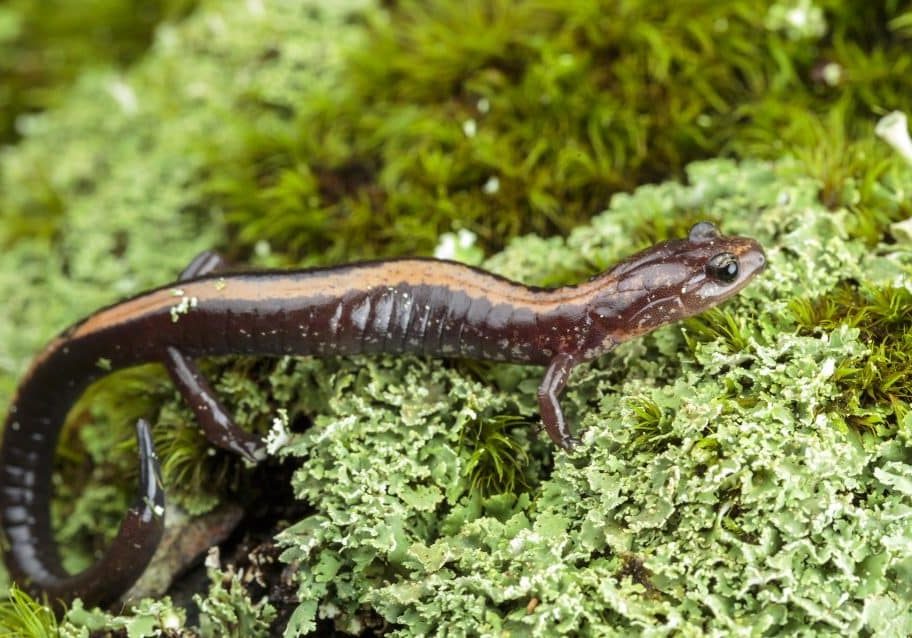
The Shenandoah Salamander
The Shenandoah salamander is a woodland salamander, which has adapted to life at higher elevations away from water. This sparkling rarity lives among the dry leaves, cracked logs, and stony hillocks on the highest peaks of Shenandoah National Park.

Leave a comment
Your email address will not be published. Required fields are marked *
Leave a Comment