

Deer Infected with Chronic Wasting Disease Discovered in West Virginia
Chronic wasting disease, a disease in deer caused by a protein that literally eats away brain tissue, has finally arrived in the southern Appalachians. In September, the West Virginia Division of Natural Resources (DNR) found the first known case of chronic wasting disease in the region. The two-year-old infected buck was killed on a Hampshire County road near the Virginia line in 2004 and was picked up in an aggressive roadkill CWD survey the DNR implemented three years ago. The deer was the 1,320th tested over that timeframe and the first to test positive.
Deer experience disorientation, loss of motor skills, dementia and death. The disease is always fatal and there is no way to test a live deer.
The disease was first seen in Colorado’s mule deer herd in 1967. The only known cases in the Eastern U.S. have been in Wisconsin, Illinois, New York and now West Virginia.
There have been no known cases of CWD infecting humans.
After receiving the report, the DNR began killing deer within a five-mile radius of where the positive deer was found. Tissue from more than 120 carcasses was sent to the Minnesota Veterinary Diagnostic Laboratory for testing. Of those 121 samples, three were found positive for CWD.
All three of the deer were taken within 2.5 miles of where the original deer was found. For the moment, at least, it appears the disease is confined to a small area around Slanesville in Hampshire County.
“Thank God, we are looking at this now as a confined situation,” said Dick Hall, wildlife biologist.
The discovery shocked many, but surprised few biologists. Wildlife officials say the disease is transported thousands of miles with captive elk and deer, which are kept in pens for breeding or consumption.
“There is no question this disease has been moving across wide geographic areas on interstates at 70 mph,” said Paul Johansen, assistant Wildlife Resources chief for the W.Va. DNR.
Biologists knew it was coming and have had a CWD contingency plan in place for two years.
Officials predicted two years ago that discovery of the disease would cost the state’s economy $80 million, especially felt by rural businesses who cater to hunters. The total impact won’t be known until hunting seasons are over.
The DNR has launched a two-pronged attack, not only with an aggressive sampling to determine the extent of the disease, but a public-relations campaign as well. “We do not want to generate hysteria about this disease,” Johansen said. “The sky is not falling. We are going to manage this; we have a good solid plan that clearly identifies some goals,” Johansen said.
The DNR does advise hunters to not eat venison from an animal that appears sick. The agency also advises hunters to wear gloves when field dressing their kills and to avoid coming in contact with brain or spinal tissue.
Johansen said wearing latex gloves while dressing deer is always a good idea. He said the worst case of poison ivy he ever had came from not wearing gloves while field dressing a deer that had been eating poison ivy.
Related Articles
Latest News
More Stories
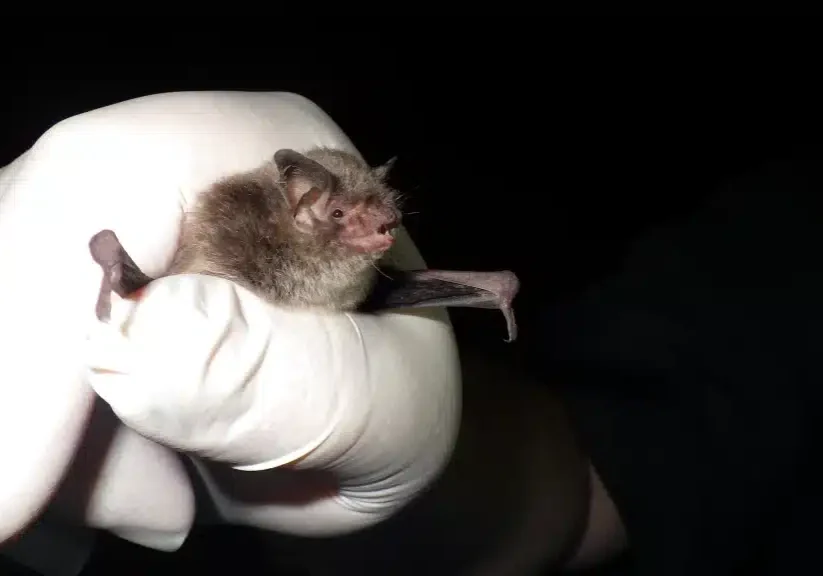
Signs of Life
In the Nantahala National Forest, a team of biologists spotted Indiana bats, an endangered species that hasn’t been seen in North Carolina for the last 11 years.

‘First Line of Defense’
During Hurricane Helene and its aftermath, rural fire departments and other first responder hubs played critical roles in keeping their communities safe, even without power and cut off from outside support for days or weeks after the storm. Two years later, plenty of work remains to ensure these hubs have the resources they need to operate day to day and be ready when emergencies or natural disasters strike.

The Rocky Road — and Bridge — to Recovery
Hurricane Helene is estimated to have damaged nearly 7,000 private roads and bridges in Western North Carolina. Two years later, many restoration projects are complete, but the journey hasn’t been easy — and isn’t over for others.
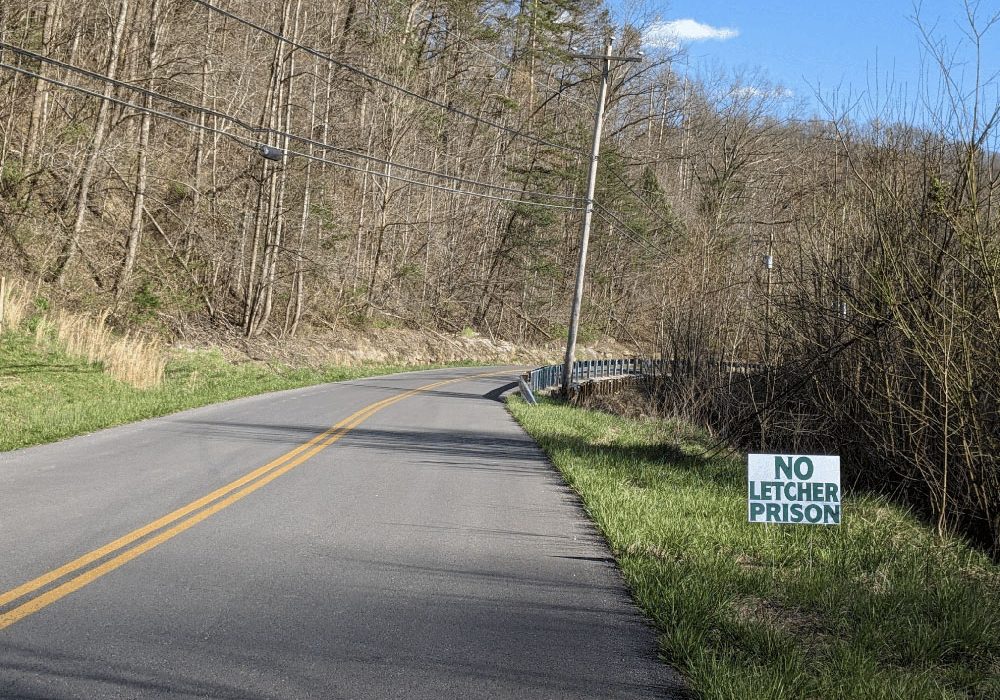
After 20 Years, Letcher County Prison Proposal Is Still Alive, Though Obstacles Remain
A $605 million proposal for a federal prison on a former strip mine site in Letcher County, Kentucky, championed by U.S. Rep. Hal Rogers, refuses to die, despite local opposition, a lack of support from the executive branch and numerous other obstacles.
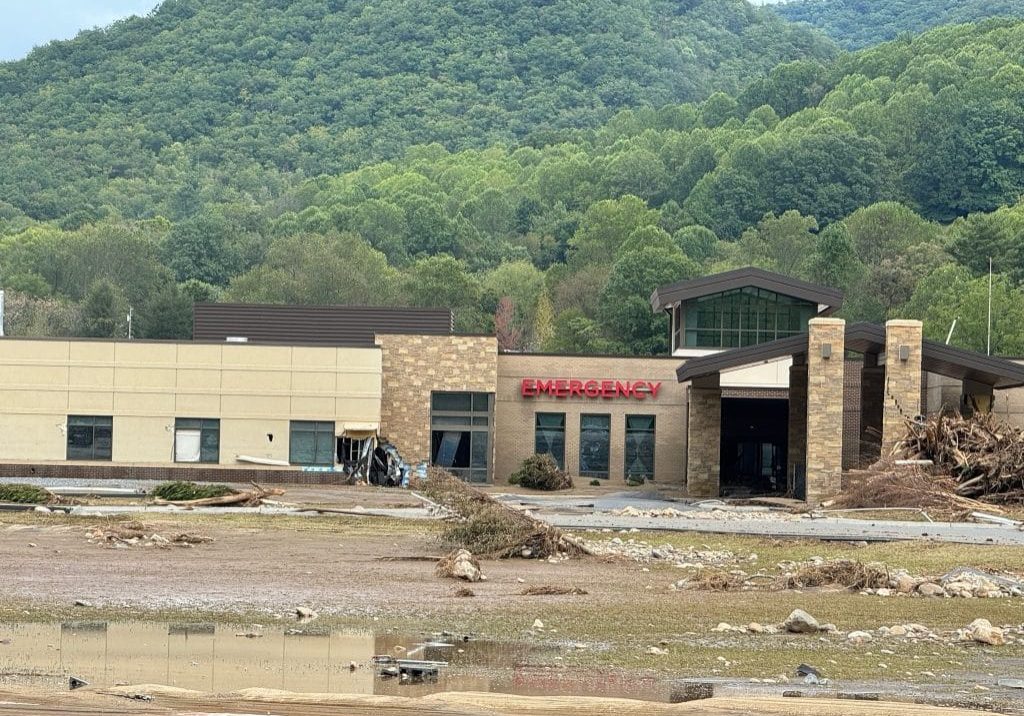
The Washout and Rebuild
For nearly two years, residents of Unicoi County, Tennessee, have had to make do without a hospital after Hurricane Helene destroyed the rural hospital. Ballad Health, which owns the hospital, broke ground on a new location — in another floodplain — in August 2026.
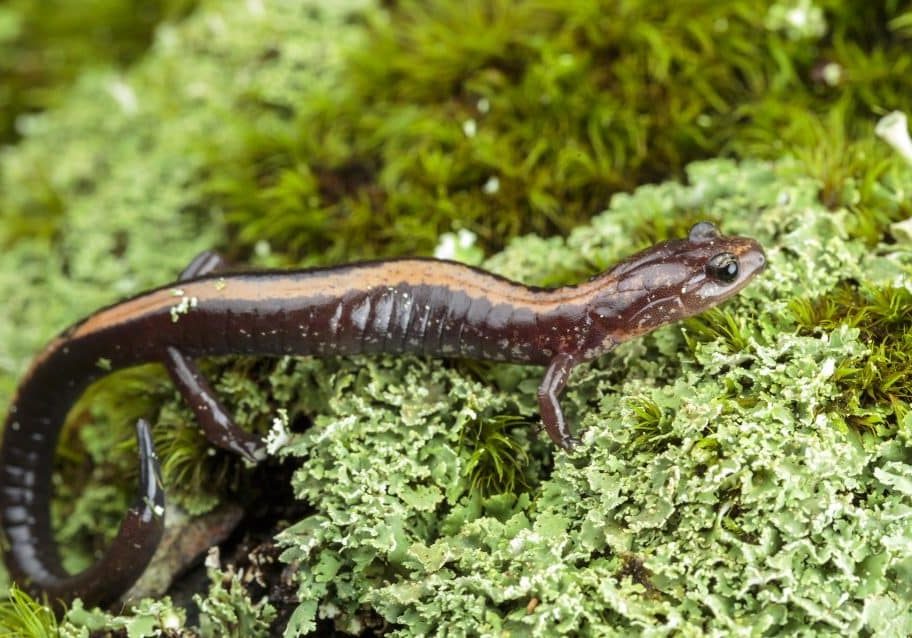
The Shenandoah Salamander
The Shenandoah salamander is a woodland salamander, which has adapted to life at higher elevations away from water. This sparkling rarity lives among the dry leaves, cracked logs, and stony hillocks on the highest peaks of Shenandoah National Park.

Leave a comment
Your email address will not be published. Required fields are marked *
Leave a Comment