

Bush proposes sale of national forest lands across US
President George Bush’s proposed sale of 300,000 acres forest service lands may have been just a trial balloon for a larger land sale, as Rep. Rick Boucher (D-VA) suggested in late March.
But the balloon seems to be deflating quickly. Most of the Appalachian region’s governors, senators and representatives speaking on the issue have opposed selling national forest land. The Bush proposal, first raised in February and forwarded as formal legislation in mid March, compensates for a program that funded rural roads and schools from timber sales.
Yet at a time when the Appalachian region is focusing on tourism as a leading opportunity for economic growth, Boucher said, “any effort to diminish the national forests as a recreational treasure must be strongly resisted.”
Sen. Lamar Alexander (R-TN) also opposed the sale, saying that selling off parts of the Cherokee National Forest to pay for roads and schools would be “like selling the back 40 to pay the rent.”
Rep. Charles Taylor (R-NC) said the sale was “not going to happen” and criticized the Forest Service for not taking local needs into account. But his criticism cane under fire from likely Democratic opponent Heath Shuler as not being firm enough.
The reaction to the sale has been so pointed, from both Republicans and Democrats alike, that Mark Rey, U.S. Department of Agriculture undersecretary for natural resources and environment, seemed perplexed by the controversy. In Congressional testimony, Ray said that “conveying land” in and out of federal ownership took place frequently.
But opponents of the sale, such as Boucher, pointed out that these were usually swaps of outlying forest service lands for private land isolated inside a national forest, and almost never involved privatizing public lands.
Among many public officials who have also opposed the land sales are four former U.S. Forest Service chiefs who led the agency for 22 years under Republican and Democratic presidents. The former chiefs said that selling off national forest land “would establish a precedent contrary to that of the last 102 years.”
Related Articles
Latest News
More Stories
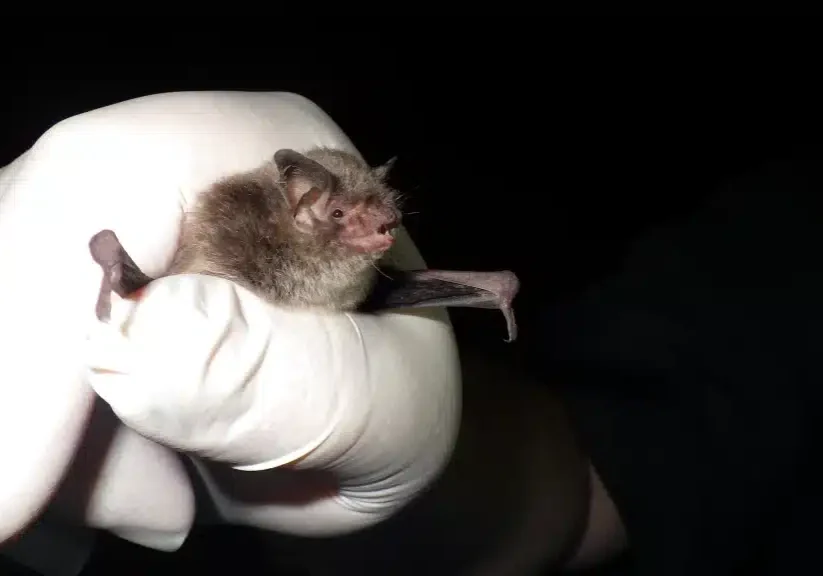
Signs of Life
In the Nantahala National Forest, a team of biologists spotted Indiana bats, an endangered species that hasn’t been seen in North Carolina for the last 11 years.

‘First Line of Defense’
During Hurricane Helene and its aftermath, rural fire departments and other first responder hubs played critical roles in keeping their communities safe, even without power and cut off from outside support for days or weeks after the storm. Two years later, plenty of work remains to ensure these hubs have the resources they need to operate day to day and be ready when emergencies or natural disasters strike.

The Rocky Road — and Bridge — to Recovery
Hurricane Helene is estimated to have damaged nearly 7,000 private roads and bridges in Western North Carolina. Two years later, many restoration projects are complete, but the journey hasn’t been easy — and isn’t over for others.
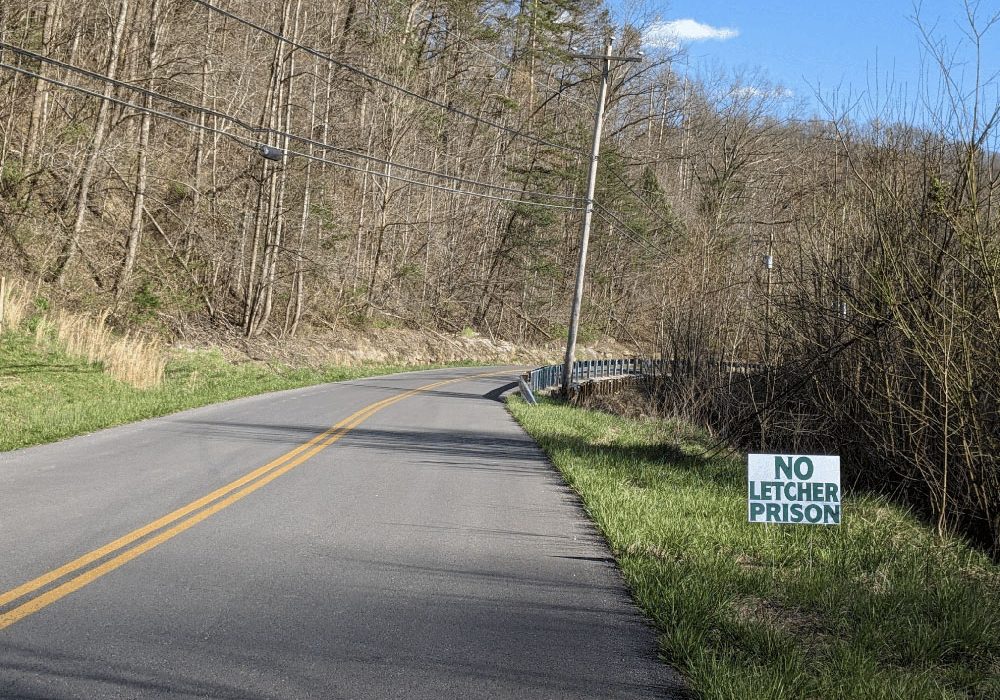
After 20 Years, Letcher County Prison Proposal Is Still Alive, Though Obstacles Remain
A $605 million proposal for a federal prison on a former strip mine site in Letcher County, Kentucky, championed by U.S. Rep. Hal Rogers, refuses to die, despite local opposition, a lack of support from the executive branch and numerous other obstacles.
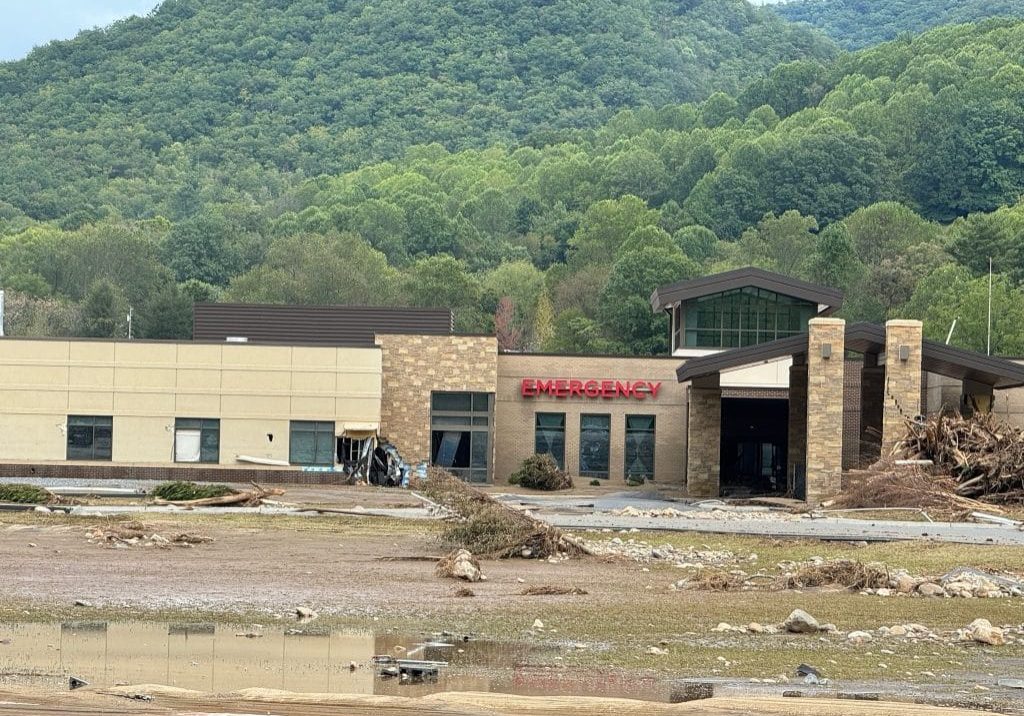
The Washout and Rebuild
For nearly two years, residents of Unicoi County, Tennessee, have had to make do without a hospital after Hurricane Helene destroyed the rural hospital. Ballad Health, which owns the hospital, broke ground on a new location — in another floodplain — in August 2026.
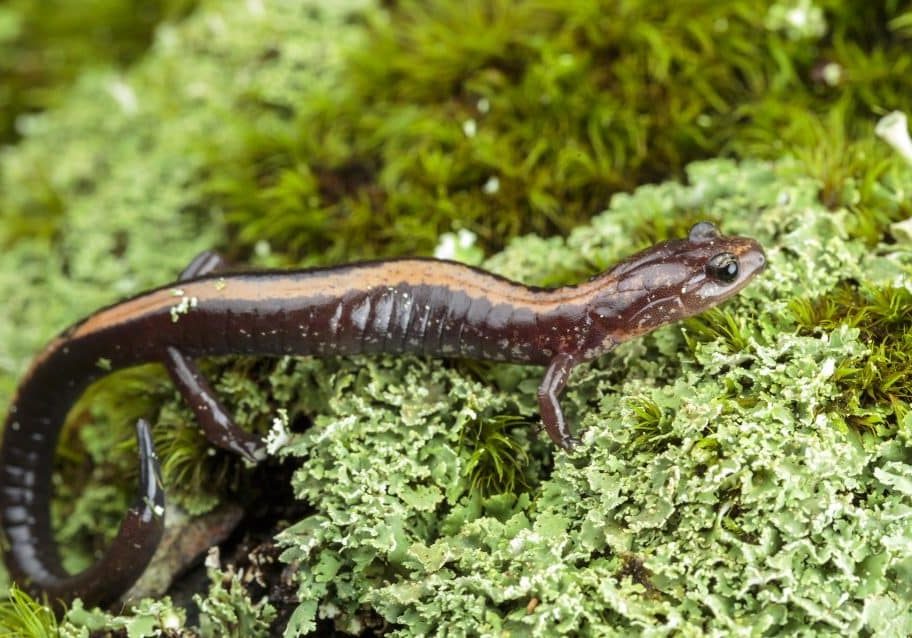
The Shenandoah Salamander
The Shenandoah salamander is a woodland salamander, which has adapted to life at higher elevations away from water. This sparkling rarity lives among the dry leaves, cracked logs, and stony hillocks on the highest peaks of Shenandoah National Park.

Leave a comment
Your email address will not be published. Required fields are marked *
Leave a Comment