

Voices on the Wind
Why Not Now?
In Kentucky, we trumpet our low-cost electricity, cheapest in the nation, but hardly ever mention that we’re also a leader in wasting electricity. And we sure can’t brag about the quality of our air or the mercury in our lakes.
Any sensible energy policy will emphasize conservation and energy alternatives, such as solar, wind and hydroelectric.
It’s true we can’t switch overnight to renewable energy, though we could do a lot more than we are…
The planet has a finite supply of oil, coal and gas. Sooner or later, we have to develop alternatives to fossil fuels and smarter energy technology.
Why not now?
Lexington KY Herald Leader,
Aug. 2, 2006.
What Would Don Quixote Tilt?
[There is] … an inconsistency of those who oppose wind turbines…
Here in central Appalachia, the ridgelines already are riddled with tall metal towers, strung together with high-voltage power lines to carry electricity generated by burning coal to the west. If we’re worried that wind energy turbines will ruin the view for tourists and kill migrating birds and raptors, what about our reliance on and acceptance of coal burning, which far more efficiently causes the demise of trees and wildlife habitat?
Even Don Quixote would chuckle at our shortsightedness. If he could have tilted at high-voltage power towers, perhaps our energy questions might have a different cast.
Andy Kegley
Wytheville, Va.
Originally published in the Washington Post, April 28, 2006
The Walls of the Wells
Michelle Kaiser
Tragedy in the mountains
Not an explosion
But a series of rumblings destroying lives
Death and destruction
Slip through the cracks of the walls of the wells
Destroyed by the blasts
Can you hear the cries?
The cries of the earth? Of the fish?
The reflection of death in the streams
The collection of graves in the holding ponds
Towns below disappearing
Under the thumb of the same destroyer
That left the hills and the people there naked
Years ago
Related Articles
Latest News
More Stories

Signs of Life
In the Nantahala National Forest, a team of biologists spotted Indiana bats, an endangered species that hasn’t been seen in North Carolina for the last 11 years.

‘First Line of Defense’
During Hurricane Helene and its aftermath, rural fire departments and other first responder hubs played critical roles in keeping their communities safe, even without power and cut off from outside support for days or weeks after the storm. Two years later, plenty of work remains to ensure these hubs have the resources they need to operate day to day and be ready when emergencies or natural disasters strike.

The Rocky Road — and Bridge — to Recovery
Hurricane Helene is estimated to have damaged nearly 7,000 private roads and bridges in Western North Carolina. Two years later, many restoration projects are complete, but the journey hasn’t been easy — and isn’t over for others.
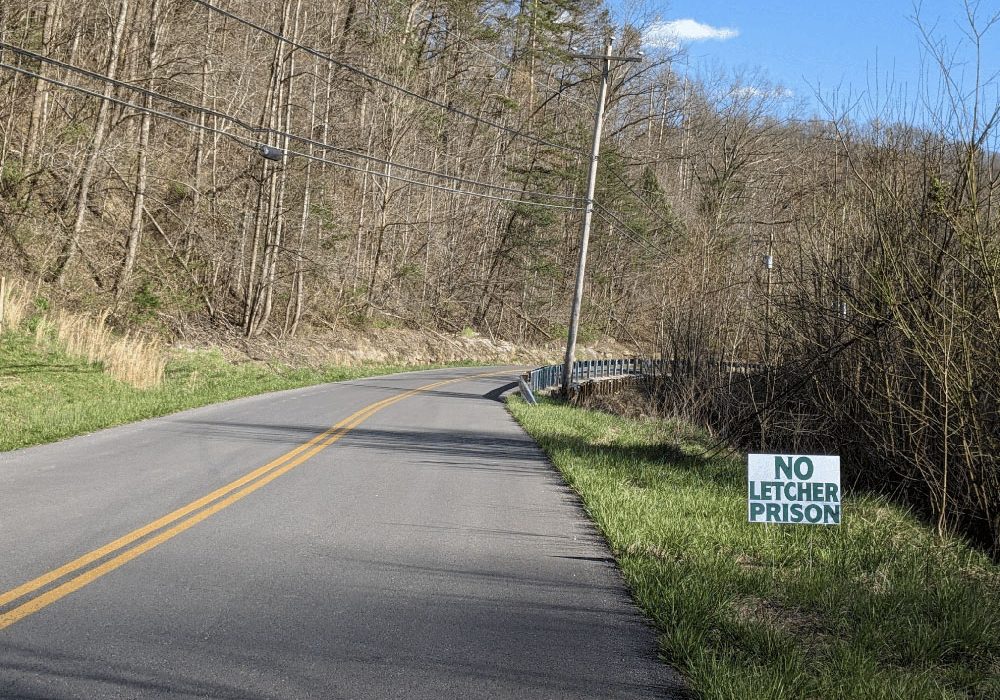
After 20 Years, Letcher County Prison Proposal Is Still Alive, Though Obstacles Remain
A $605 million proposal for a federal prison on a former strip mine site in Letcher County, Kentucky, championed by U.S. Rep. Hal Rogers, refuses to die, despite local opposition, a lack of support from the executive branch and numerous other obstacles.
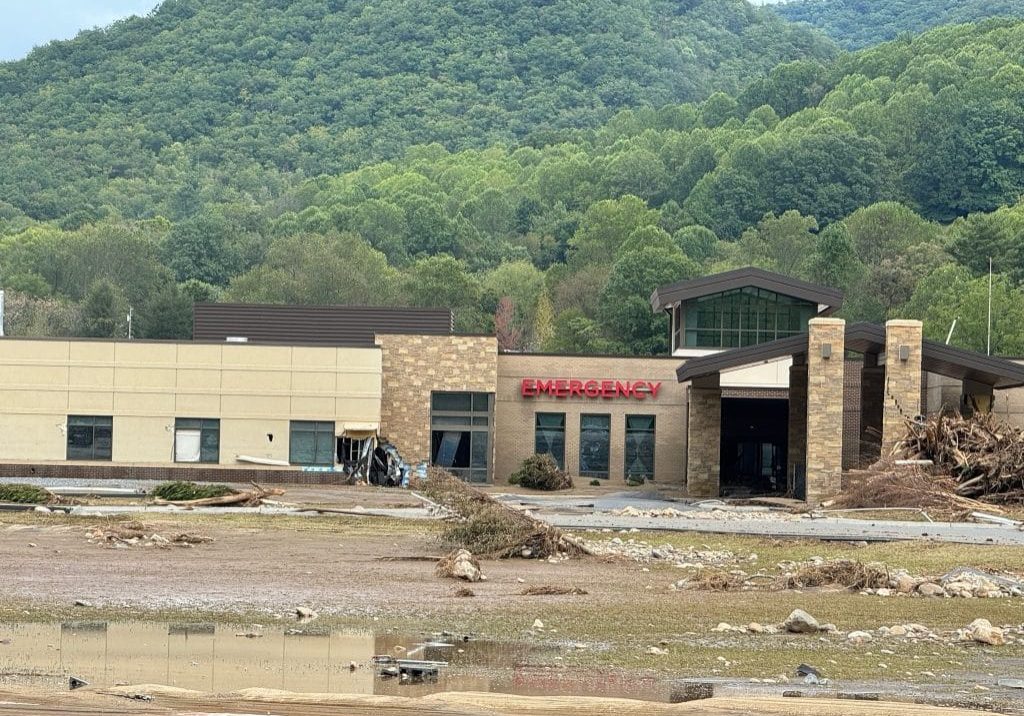
The Washout and Rebuild
For nearly two years, residents of Unicoi County, Tennessee, have had to make do without a hospital after Hurricane Helene destroyed the rural hospital. Ballad Health, which owns the hospital, broke ground on a new location — in another floodplain — in August 2026.
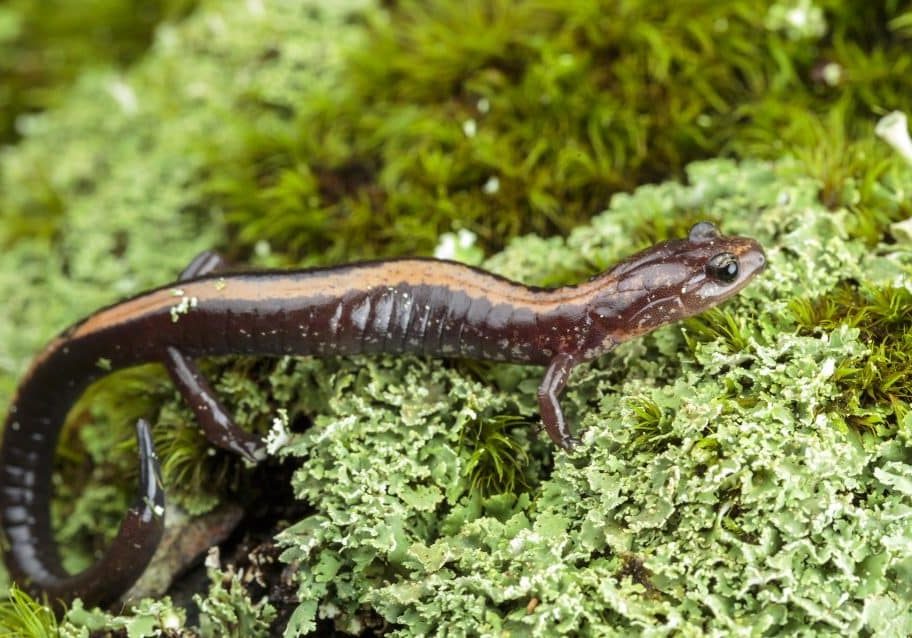
The Shenandoah Salamander
The Shenandoah salamander is a woodland salamander, which has adapted to life at higher elevations away from water. This sparkling rarity lives among the dry leaves, cracked logs, and stony hillocks on the highest peaks of Shenandoah National Park.

Leave a comment
Your email address will not be published. Required fields are marked *
Leave a Comment