

Huge Energy Resource from Existing Hydro Dams is Untapped
In the 1930s, FDR proposed a New Deal, part of which was the creation of a new South, which harnessed the power of its rivers to usher an era of prosperity along the lines of a power grid expanding at breakneck speed.
Yet, in the following world war, it was Appalachia’s coal, not its water, that fueled the American dogs of war and since then, it has been coal, not hydropower that has expanded to meet increasing energy needs.
As demand for electricity has increased dramatically, hydropower has not been exploited to keep pace. While generating capacity in the U.S. increased by a third since 1990, hydropower capacity has stagnated, said John Cogan, energy-information specialist for the U.S. Energy Information Administration .
“Hydropower has remained virtually flat,” he said.
Hydropower makes up nearly seven percent of the nation’s energy production, but most of the southern Appalachian states use much less of it: in North Carolina, 4.3 percent of energy produced is from hydropower; in South Carolina, it is six percent and in Georgia that figure is 2.9 percent. Virginia and West Virginia produce very little hydroelectricity, which comprises two percent and 1.5 percent of production respectively.
Thanks to the New-Deal Tennessee Valley Authority projects, Tennessee leads the region at 10 percent, but even the authority itself relies heavily on fossil fuels. According to the TVA, 10 percent of its energy is hydropower, 38 percent is nuclear and the remainder is produced from fossil fuels.
One of the primary arguments against hydropower is its fragmenting of streams and destruction of free-flowing ecosystems, which is one reason few are being built. However, there is a vast, untapped 17,000-Megawatt resource of existing flood-control dams and navigation locks, said Linda Ciocci, executive director of the National Hydropower Association.
Only two percent of U.S. dams generate hydroelectricity and outfitting the remainder is both environmentally and economically feasible, she said. By using existing dams, these projects are spared the immense costs and complications of building a new dam, Ciocci said.
One such project was completed seven years ago at the Belleville Locks and Dam on the Ohio River at Belleville, W.Va. The dam was completed in 1968 by the U.S. Army Corps of Engineers for navigation purposes only.
The plant has a generating capacity of 42 Megawatts, but actual production varies with river flow, said Kent Carson of AMP Ohio, which represents the 42 communities. Each community owns shares of power that vary in size according to the size of their investments.
“It is part of the energy portfolio. This is about diversification of the power supply and not putting all your eggs in one basket. At Belleville, we built a more traditional hydro plant. It is a run-of-the-mill facility. It wasn’t a big project and we utilize flow that would be going over the dam anyway,” he said.
There are several similar projects in West Virginia on the Ohio, Kanawha and New rivers and the U.S .Army Corps of Engineers is developing plans to install hydropower for the Bluestone Dam in Summers County, W.Va., the state’s third largest impoundment.
Private plans, dating back to 1911, called for a hydropower dam in the area and the federal government began drawing its plans in the 1930s, but the West Virginia Power Company, a subsidiary of Appalachian Power filed a lawsuit challenging the federal government’s right to build such projects. The utility lost its case in the U.S. Supreme Court in a landmark decision that helped define the government’s right to build impoundments.
However, the years of proceedings killed the hydro project, which was postponed when American entered World War II not long after the decision. When construction resumed in 1946, it was built with hydropower penstocks (which channel water to the turbines), but no generating equipment.
The need for alternative energy is especially great in West Virginia, which generates 98 percent of its energy from coal-fired plants. The time for installing hydropower at Bluestone is ripe, said David Treadway, a public affairs specialist for the corps of engineers who grew up in Rainelle, W.Va., which is only a few miles from Bluestone.
“It was designed for hydropower, but that part of the project was not built because of opposition from the utilities. Now, the need is great and the opposition is not there,” he said.
Treadway, who is assigned to the corps’ Nashville district, which includes Eastern Tennessee and Western North Carolina, said that while several projects retrofitting for hydropower might be underway in West Virginia, that is not the case further south.
“Nothing I’m aware of in the Nashville District has been put in after the fact,” he said.
Should stumbling blocks be removed, retrofitting non-power dams could be the future of hydropower, Ciocci said. Production tax credits for renewable energy are difficult for hydropower projects to obtain as it only applies to upgrading existing hydro facilities or to non-power dams that were licensed when the tax credit took affect, she said. Hydro also has a difficult time meeting construction deadlines spelled out in the tax credit guidelines.
She said the hydropower association is lobbying to make it easier for hydro projects to get licenses and tax credits to get turbines spinning.
“Our goal is to have this credit apply to all non-power dams and get this production tax credit expanded,” she said.
Ciocci said the industry will need to be able to take advantage of the credits readily available to other forms of renewable energy before hydropower can begin to realize its potential.
Related Articles
Latest News
More Stories

Signs of Life
In the Nantahala National Forest, a team of biologists spotted Indiana bats, an endangered species that hasn’t been seen in North Carolina for the last 11 years.
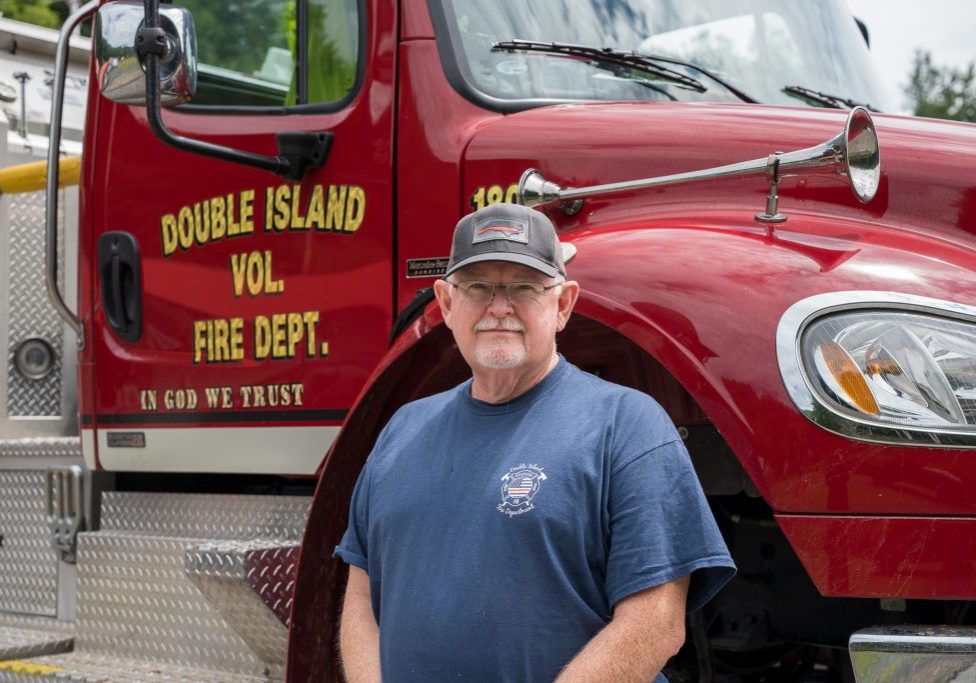
‘First Line of Defense’
During Hurricane Helene and its aftermath, rural fire departments and other first responder hubs played critical roles in keeping their communities safe, even without power and cut off from outside support for days or weeks after the storm. Two years later, plenty of work remains to ensure these hubs have the resources they need to operate day to day and be ready when emergencies or natural disasters strike.
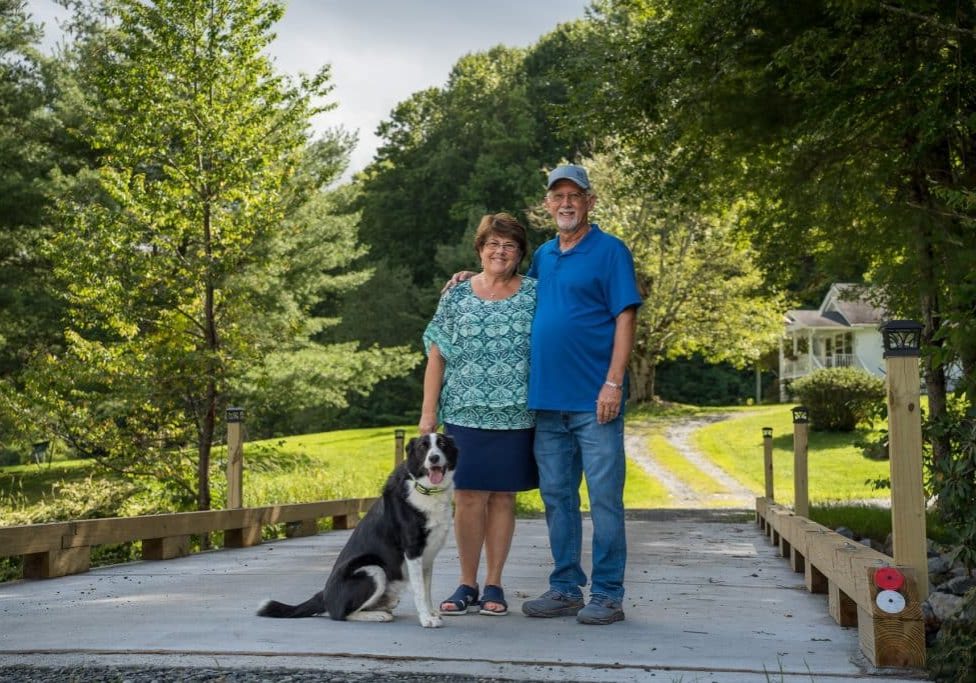
The Rocky Road — and Bridge — to Recovery
Hurricane Helene is estimated to have damaged nearly 7,000 private roads and bridges in Western North Carolina. Two years later, many restoration projects are complete, but the journey hasn’t been easy — and isn’t over for others.
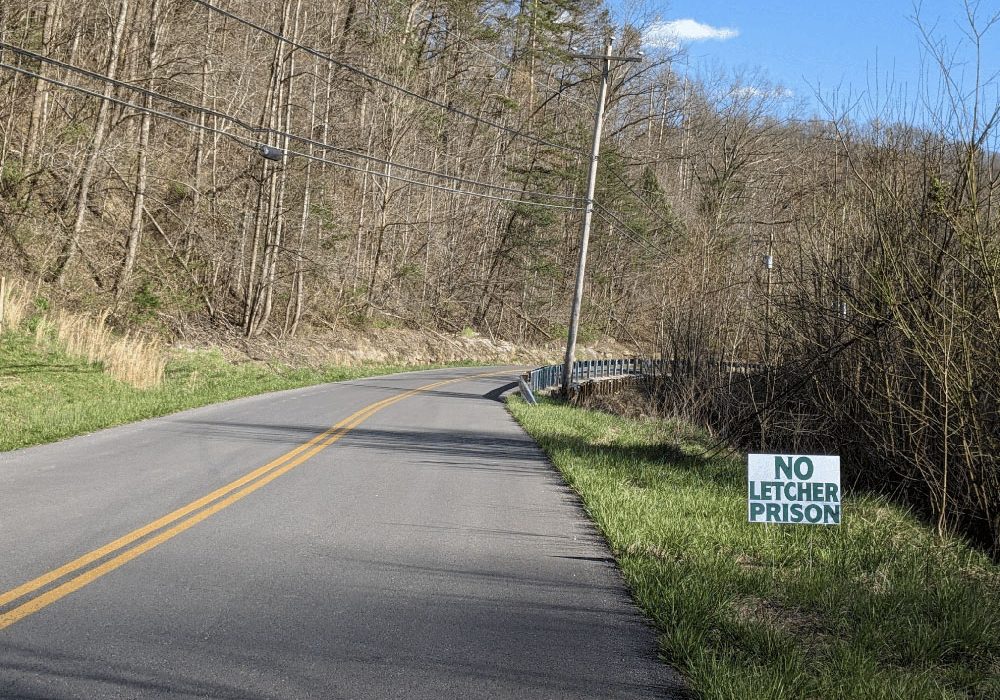
After 20 Years, Letcher County Prison Proposal Is Still Alive, Though Obstacles Remain
A $605 million proposal for a federal prison on a former strip mine site in Letcher County, Kentucky, championed by U.S. Rep. Hal Rogers, refuses to die, despite local opposition, a lack of support from the executive branch and numerous other obstacles.
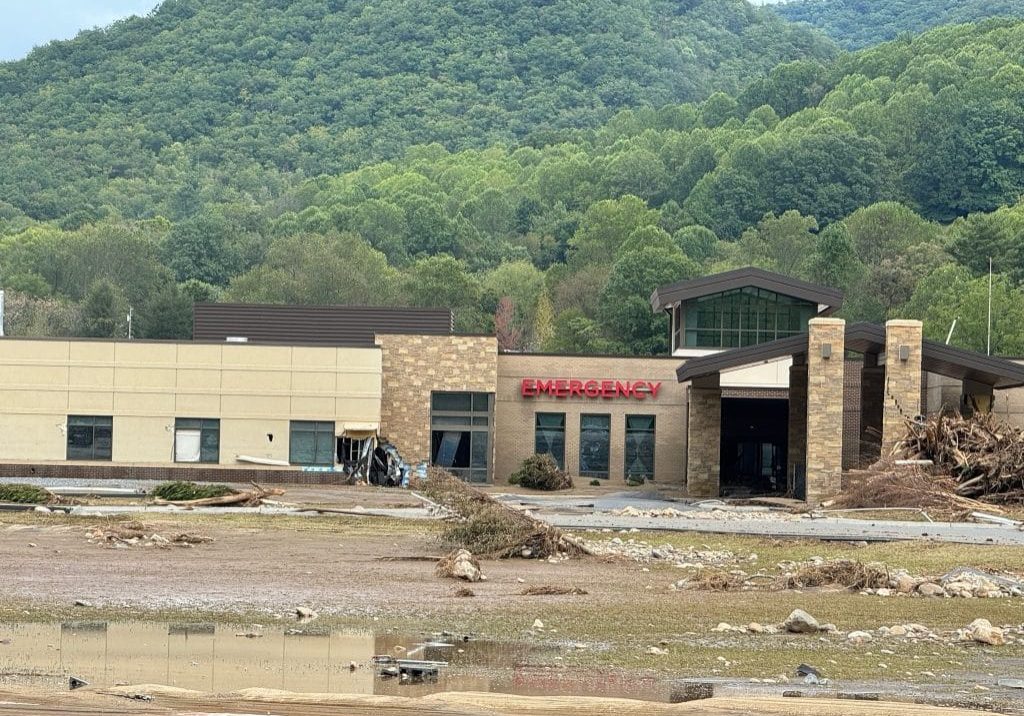
The Washout and Rebuild
For nearly two years, residents of Unicoi County, Tennessee, have had to make do without a hospital after Hurricane Helene destroyed the rural hospital. Ballad Health, which owns the hospital, broke ground on a new location — in another floodplain — in August 2026.

The Shenandoah Salamander
The Shenandoah salamander is a woodland salamander, which has adapted to life at higher elevations away from water. This sparkling rarity lives among the dry leaves, cracked logs, and stony hillocks on the highest peaks of Shenandoah National Park.

Leave a comment
Your email address will not be published. Required fields are marked *
Leave a Comment