

Why I am for Wind Power
We can dismantle wind turbines when better technology comes along, but we can never put back the tops of our mountains, or uncover the streams that have been covered, or unpoison our babies.
As far as I know, wind turbines don’t poison unborn children with mercury the way coal does. The air that comes out of a wind turbine is as clean as the air that goes into a wind turbine. And a wind turbine doesn’t emit global warming causing CO2.
Anti- wind people are insulting to the people that actually suffer for so -called cheap electricity. The anti- wind people are in reality anti-clean energy people. This fight is really about class and privlege. As the anti-clean energy/ wind people have no problem using the coal fired electricity that comes from the blood, sweat and tears of my people in West Virginia, but they just don’t want to look at wind turbines. I’ll trade them any day.
As a matter of fact, the anti- wind people need to come live in the coal fields and send their children to our schools and breathe some of the coal dust and travel on our narrow mountain roads with huge coal and log trucks. Come walk in our shoes and look at our viewshed. Come spend a sleepless night during rain storms beneath a huge coal waste sludge dam and be afraid of that dams failure.
Come experience the effects of the three million pounds of explosives that are used daily to blast our mountains and homes away.
Yes, come to coal country, where we have to use dust masks just to sit on the porch or cut the grass.
Come walk in our shoes before you reject wind farms.
Judy Bonds is a 2003 recipient of the Goldman Environmental Prize and the director of Coal River Mountain Watch.
Related Articles
Latest News
More Stories
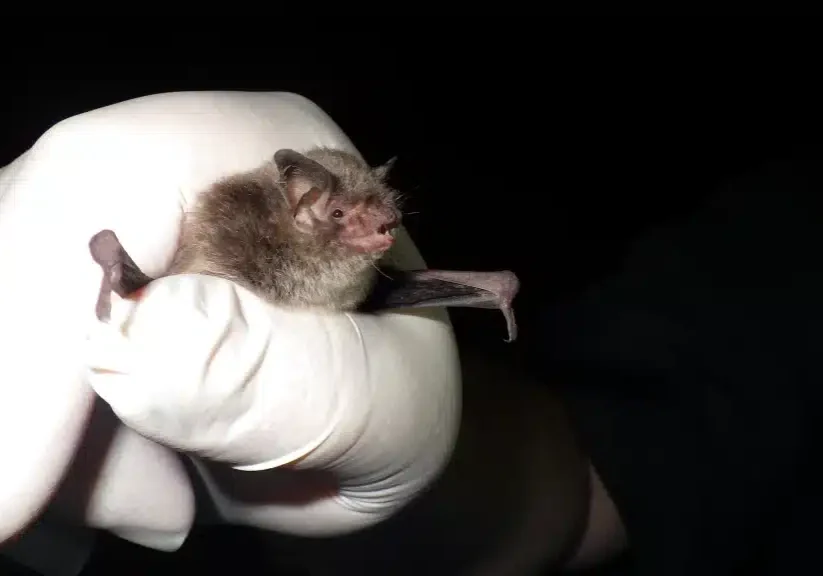
Signs of Life
In the Nantahala National Forest, a team of biologists spotted Indiana bats, an endangered species that hasn’t been seen in North Carolina for the last 11 years.
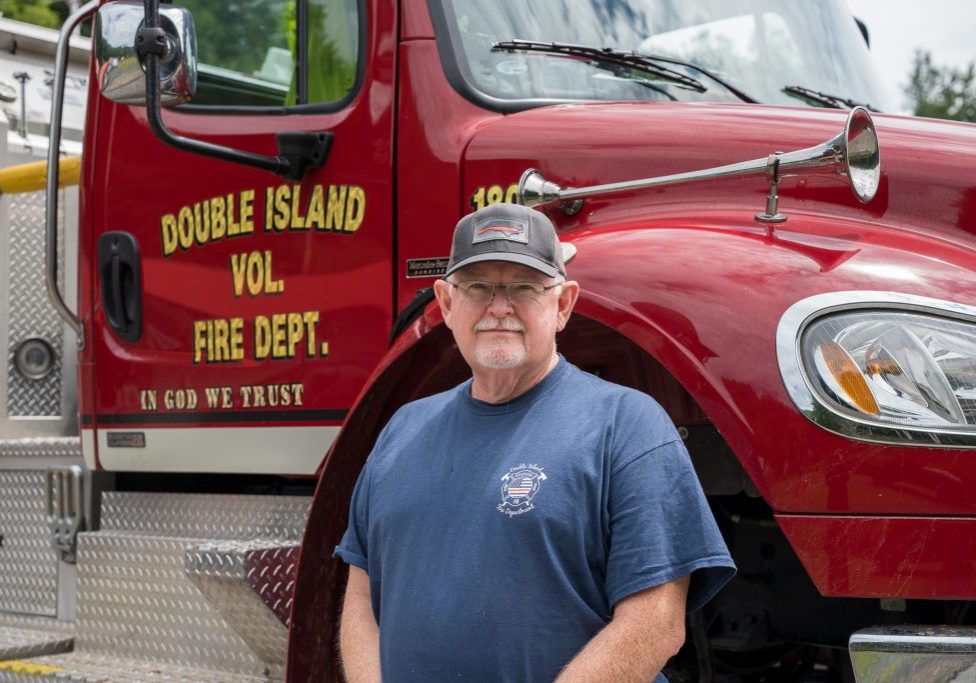
‘First Line of Defense’
During Hurricane Helene and its aftermath, rural fire departments and other first responder hubs played critical roles in keeping their communities safe, even without power and cut off from outside support for days or weeks after the storm. Two years later, plenty of work remains to ensure these hubs have the resources they need to operate day to day and be ready when emergencies or natural disasters strike.
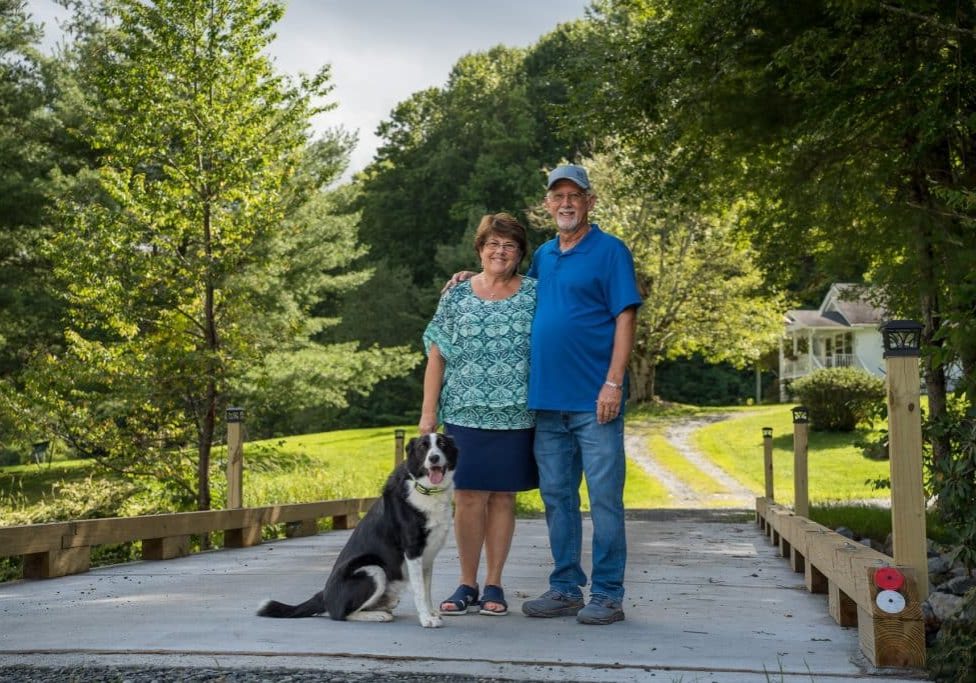
The Rocky Road — and Bridge — to Recovery
Hurricane Helene is estimated to have damaged nearly 7,000 private roads and bridges in Western North Carolina. Two years later, many restoration projects are complete, but the journey hasn’t been easy — and isn’t over for others.
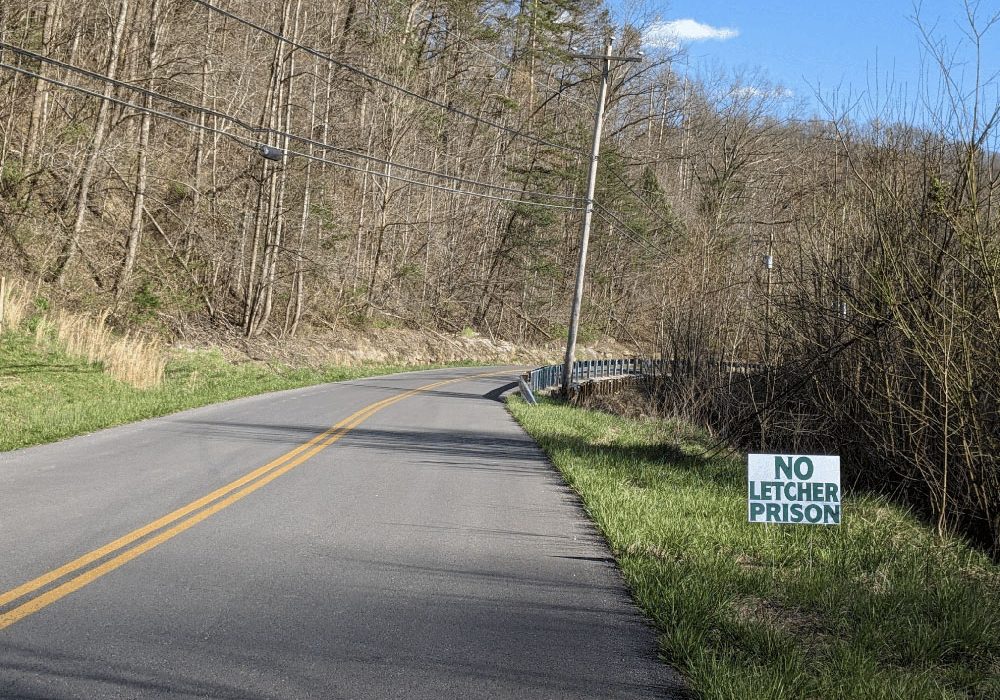
After 20 Years, Letcher County Prison Proposal Is Still Alive, Though Obstacles Remain
A $605 million proposal for a federal prison on a former strip mine site in Letcher County, Kentucky, championed by U.S. Rep. Hal Rogers, refuses to die, despite local opposition, a lack of support from the executive branch and numerous other obstacles.
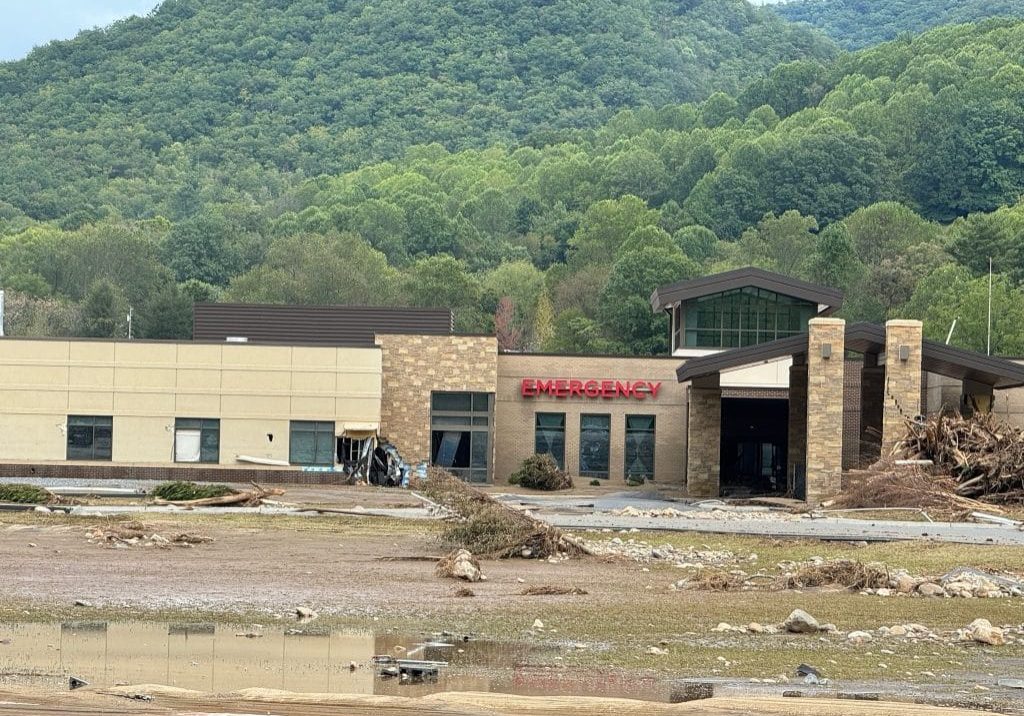
The Washout and Rebuild
For nearly two years, residents of Unicoi County, Tennessee, have had to make do without a hospital after Hurricane Helene destroyed the rural hospital. Ballad Health, which owns the hospital, broke ground on a new location — in another floodplain — in August 2026.
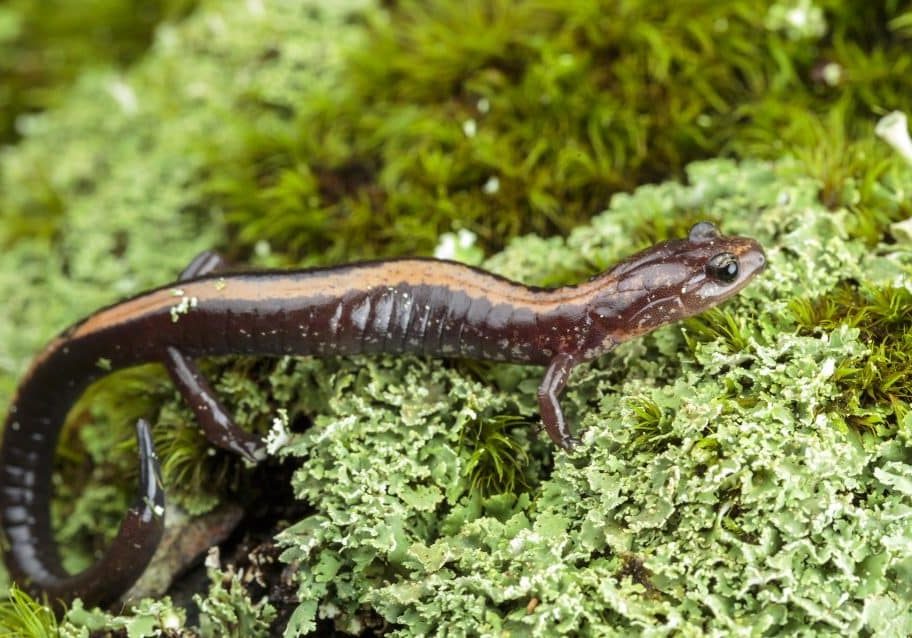
The Shenandoah Salamander
The Shenandoah salamander is a woodland salamander, which has adapted to life at higher elevations away from water. This sparkling rarity lives among the dry leaves, cracked logs, and stony hillocks on the highest peaks of Shenandoah National Park.

Leave a comment
Your email address will not be published. Required fields are marked *
Leave a Comment