

Film Explores Appalachia’s Environment
Story by Linda Coutant
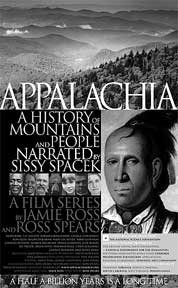
A new film about the Appalachia region underscores a universal truth Western Civilization seems to struggle remembering: humanity is part of the environment, not separate from it.
Appalachia: A History of Mountains and People airs on PBS four consecutive Thursdays beginning April 9. Produced by award-winning filmmakers Jamie Ross and Ross Spears and narrated by Academy Award-winner Sissy Spacek, this four-hour series is considered the first-ever environmental history film.
The filmmaking duo of Ross and Spears spent 10 years on this documentary, which explores the intersection of natural history and human history in a biologically rich, diverse and beautiful mountain region. Its four parts focus on Appalachia’s geological formation, clash of European and Native cultures, industrial age and the search for identity in the 20th and early 21st centuries.
Interviews include Pulitzer Prize-winning biologist E.O. Wilson, best-selling novelist Barbara Kingsolver, the late writer Wilma Dykeman, historian Ron Eller of the University of Kentucky and anthropologist Harvard Ayers of Appalachian State University.
More untruths are known about Appalachia than any other region in the United States, explains Ross, which is why she, a longtime Asheville, NC resident, and her filmmaking partner Spears, who grew up in Johnson City, Tenn., felt a new look at the mountains was needed.
In their storytelling, they make the mountains a central character, rather than a natural backdrop.
“I was constantly excited and flabbergasted to learn of the extraordinary diversity of life in this region: There are more species of salamanders in the Smoky Mountains than any other part of the world,” said Spears.
“For environmental change, we need to include the environmental part of the story. Our hope is that viewers of our film will look around – wherever they live – and become more aware of their surroundings and develop a conversation about what we can do to protect our natural resources,” Ross said.
Visit the films’ website www.appalachiafilm.org for details.
Related Articles
Latest News
More Stories
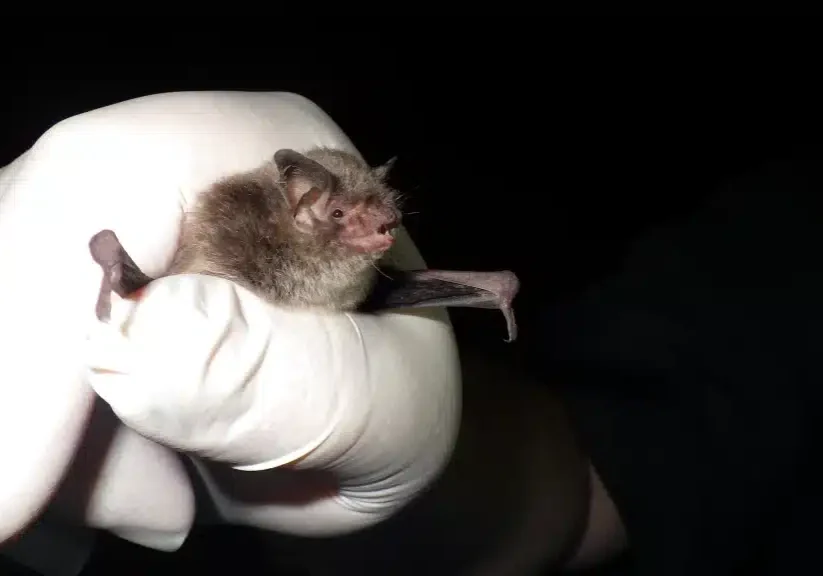
Signs of Life
In the Nantahala National Forest, a team of biologists spotted Indiana bats, an endangered species that hasn’t been seen in North Carolina for the last 11 years.

‘First Line of Defense’
During Hurricane Helene and its aftermath, rural fire departments and other first responder hubs played critical roles in keeping their communities safe, even without power and cut off from outside support for days or weeks after the storm. Two years later, plenty of work remains to ensure these hubs have the resources they need to operate day to day and be ready when emergencies or natural disasters strike.

The Rocky Road — and Bridge — to Recovery
Hurricane Helene is estimated to have damaged nearly 7,000 private roads and bridges in Western North Carolina. Two years later, many restoration projects are complete, but the journey hasn’t been easy — and isn’t over for others.
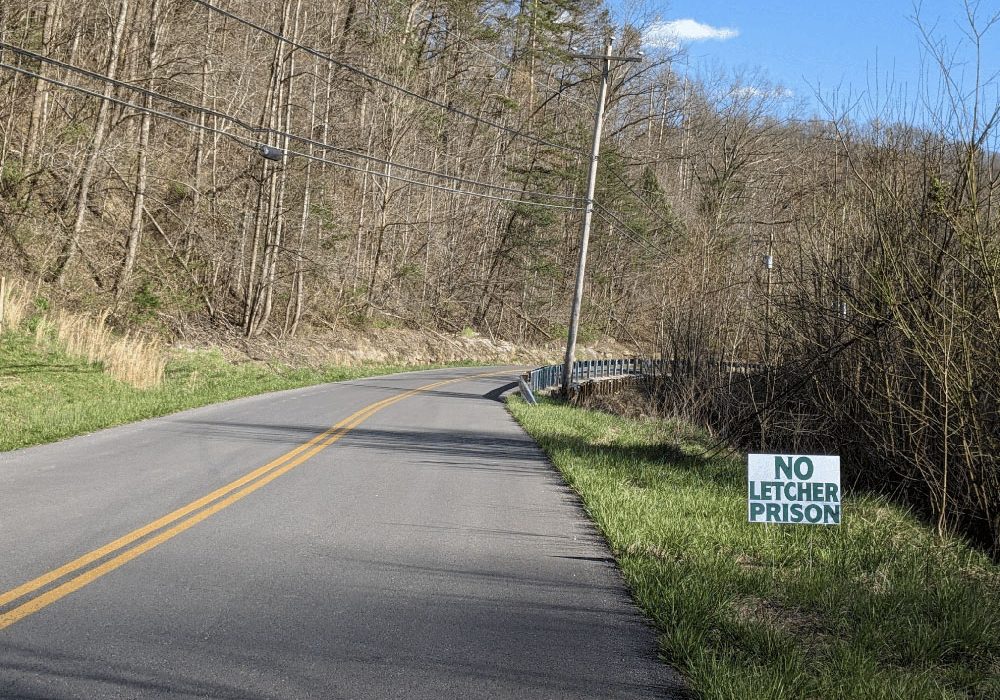
After 20 Years, Letcher County Prison Proposal Is Still Alive, Though Obstacles Remain
A $605 million proposal for a federal prison on a former strip mine site in Letcher County, Kentucky, championed by U.S. Rep. Hal Rogers, refuses to die, despite local opposition, a lack of support from the executive branch and numerous other obstacles.
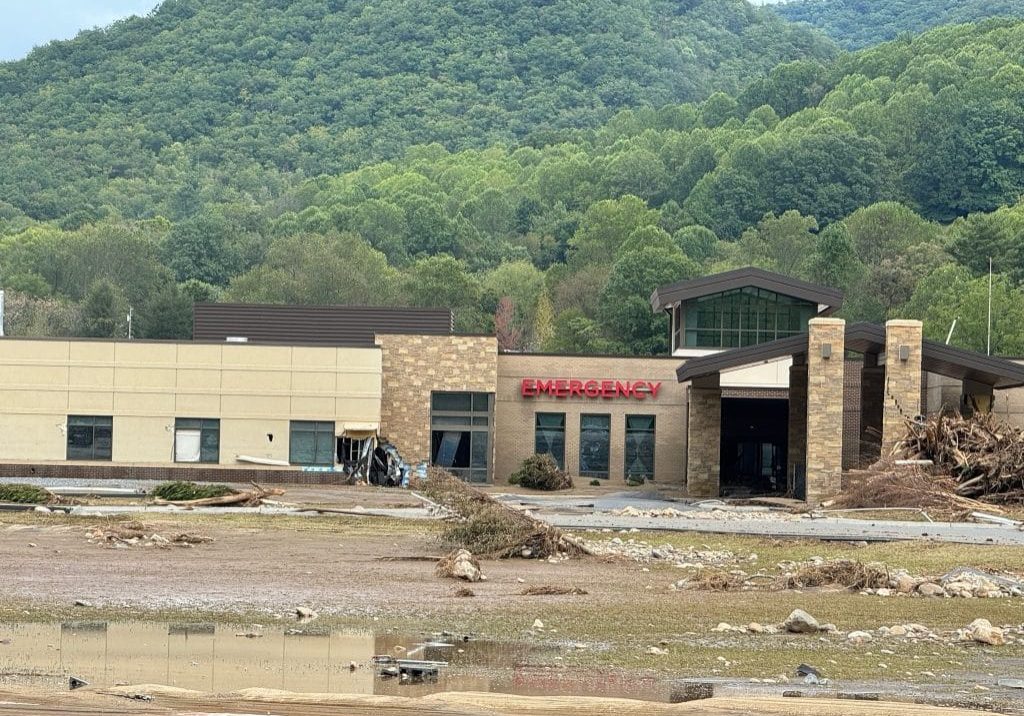
The Washout and Rebuild
For nearly two years, residents of Unicoi County, Tennessee, have had to make do without a hospital after Hurricane Helene destroyed the rural hospital. Ballad Health, which owns the hospital, broke ground on a new location — in another floodplain — in August 2026.

The Shenandoah Salamander
The Shenandoah salamander is a woodland salamander, which has adapted to life at higher elevations away from water. This sparkling rarity lives among the dry leaves, cracked logs, and stony hillocks on the highest peaks of Shenandoah National Park.

Leave a comment
Your email address will not be published. Required fields are marked *
Leave a Comment