

Green forestry redefines the profession
Story by Bill Kovarik
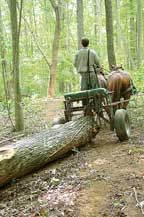
Chad Vogel uses his team of suffolk horses to pull a log from the forest in Floyd County, Virginia.
They’re not just loggers with horses.
When Jason Rutledge and his colleagues walk into the woods, they are thinking about how to protect the forest ecology, not how quickly they can deliver ten thousand board feet to the mill.
That’s just one difference between traditional forestry and what Rutledge terms restorative forestry.
“We have a strong incentive to leave the forest better than we found it,” Rutledge said, since the main object is to keep returning to a site through short harvest rotations. That way they, as well as the landowner, have an investment in the future of the forest.
Currently, restorative forestry is a niche occupation for Appalachia. It is valued for low-impact forest management and long-term sustainable growth, but it is more expensive than traditional forestry.
However, restorative forestry could become a source of green jobs in places where conservation practices are valued over timber production.
“It’s interesting that the critics of our approach … point out that it is labor intensive and low production,” Rutledge said. “Given the reality of over-production of forest products from conventional, mechanized, fossil-fueled power methods and the resulting decline in the market value of those materials, any method that simply reduces volume and requires more human input means more jobs.”
About 50 people have trained at the Healing Harvest Forest Foundation, founded ten years ago by Rutledge in Copper Hill, Va.
For more information, visit www.healingharvestforestfoundation.org.
Related Articles
Latest News
More Stories

Signs of Life
In the Nantahala National Forest, a team of biologists spotted Indiana bats, an endangered species that hasn’t been seen in North Carolina for the last 11 years.

‘First Line of Defense’
During Hurricane Helene and its aftermath, rural fire departments and other first responder hubs played critical roles in keeping their communities safe, even without power and cut off from outside support for days or weeks after the storm. Two years later, plenty of work remains to ensure these hubs have the resources they need to operate day to day and be ready when emergencies or natural disasters strike.

The Rocky Road — and Bridge — to Recovery
Hurricane Helene is estimated to have damaged nearly 7,000 private roads and bridges in Western North Carolina. Two years later, many restoration projects are complete, but the journey hasn’t been easy — and isn’t over for others.
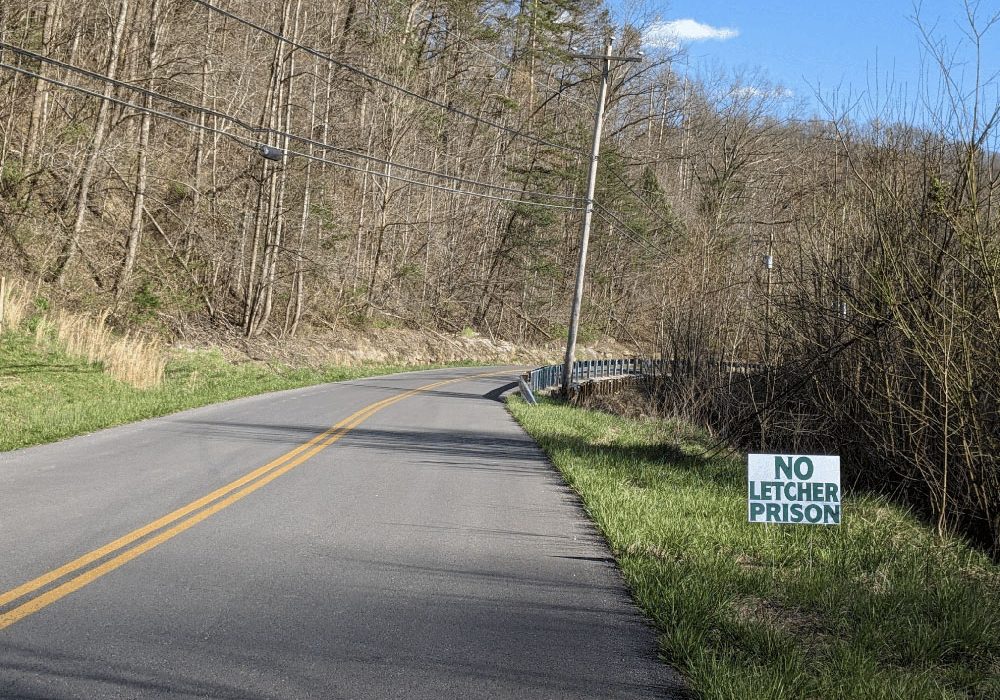
After 20 Years, Letcher County Prison Proposal Is Still Alive, Though Obstacles Remain
A $605 million proposal for a federal prison on a former strip mine site in Letcher County, Kentucky, championed by U.S. Rep. Hal Rogers, refuses to die, despite local opposition, a lack of support from the executive branch and numerous other obstacles.
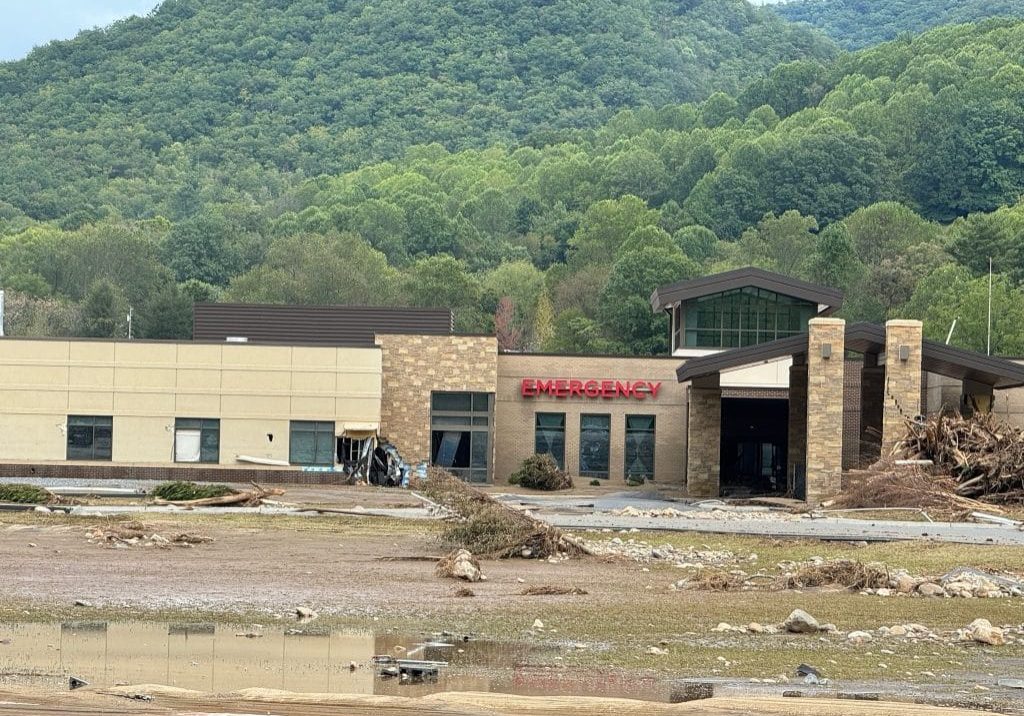
The Washout and Rebuild
For nearly two years, residents of Unicoi County, Tennessee, have had to make do without a hospital after Hurricane Helene destroyed the rural hospital. Ballad Health, which owns the hospital, broke ground on a new location — in another floodplain — in August 2026.

The Shenandoah Salamander
The Shenandoah salamander is a woodland salamander, which has adapted to life at higher elevations away from water. This sparkling rarity lives among the dry leaves, cracked logs, and stony hillocks on the highest peaks of Shenandoah National Park.

Leave a comment
Your email address will not be published. Required fields are marked *
Leave a Comment