

Threats to Native Fauna: WIld American Ginsing
Black bear parts aren’t the only wild resources in the Blue Ridge being traded on the black market. Virginia’s Operation VIPER also zeroed in on the ginseng trade. As with bear parts, ginseng is also used in traditional Chinese medicine and is believed to provide stress relief, improved mental efficiency, and better stamina. It also purportedly boosts the immune system and regulates the metabolism.
American ginseng has been a commercial product since the early 1700s, and today it is estimated that nearly 65 tons of ginseng are exported each year. Wild ginseng roots can sell for as much as $300 or more per pound.
While it is not illegal to harvest ginseng in Virginia, it is illegal to harvest it on federally protected land. Both Shenandoah National Park and the Great Smoky Mountains National Park have had problems with illegal ginseng collection. In the last decade, 11,000 ginseng roots were harvested within park borders in the Smokies.
“Wild mountain ginseng from the U.S. is considered top of the line,” says Special Agent Kreiling. “Its collection in the park has been a historical problem, and the population has dwindled.” Many of the violators apprehended in Operation VIPER will also be indicted for trading in illegally collected ginseng.
Related Articles
Latest News
More Stories
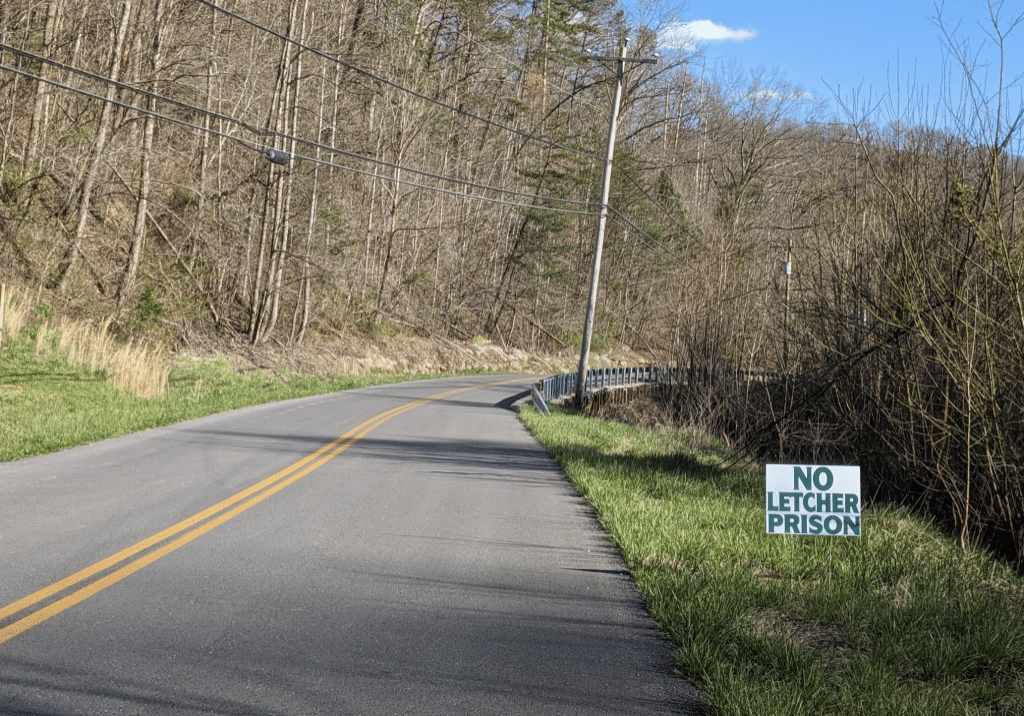
After 20 years, Letcher County prison proposal is still alive, though obstacles remain
A $605 million proposal for a federal prison on a former strip mine site in Letcher County, Kentucky, championed by U.S. Rep. Hal Rogers, refuses to die, despite local opposition, a lack of support from the executive branch and numerous other obstacles.
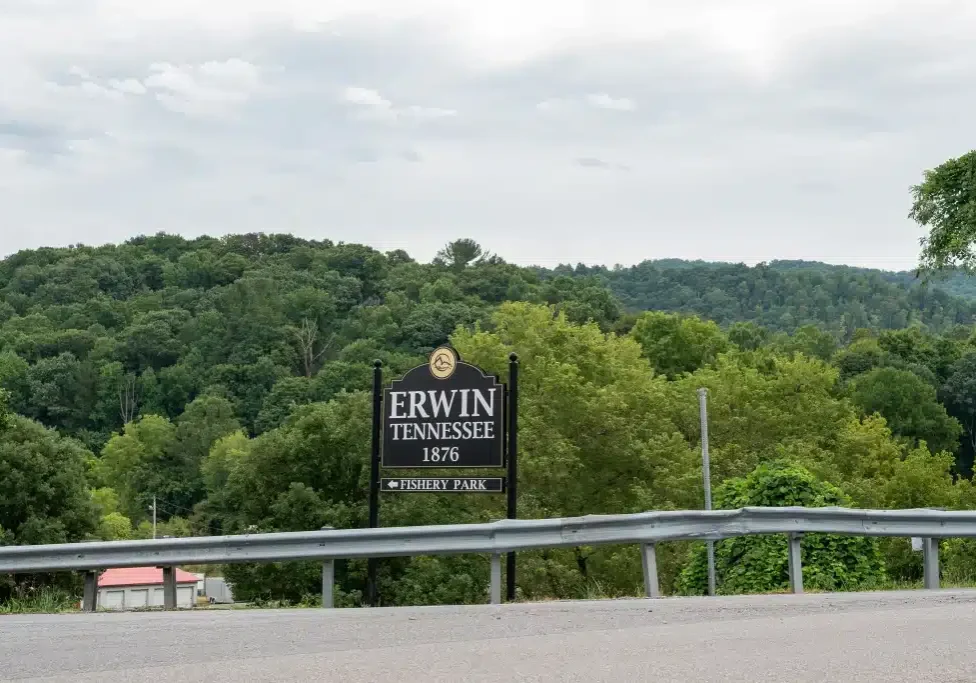
The Washout and Rebuild
For nearly two years, residents of Unicoi County, Tennessee, have had to make do without a hospital after Hurricane Helene destroyed the rural hospital. Ballad Health, which owns the hospital, broke ground on a new location — in another floodplain — in August 2026.
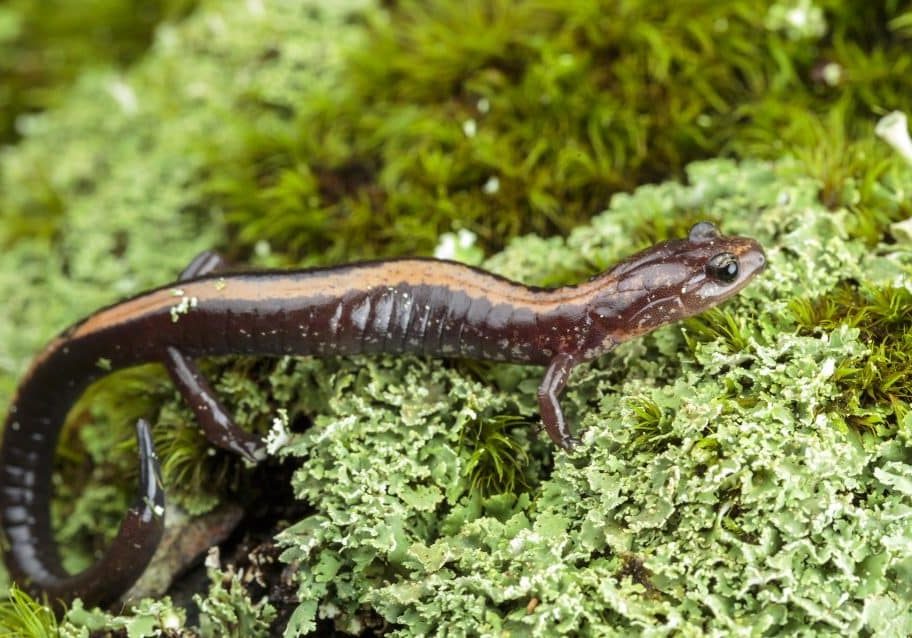
The Shenandoah Salamander
The Shenandoah salamander is a woodland salamander, which has adapted to life at higher elevations away from water. This sparkling rarity lives among the dry leaves, cracked logs, and stony hillocks on the highest peaks of Shenandoah National Park.
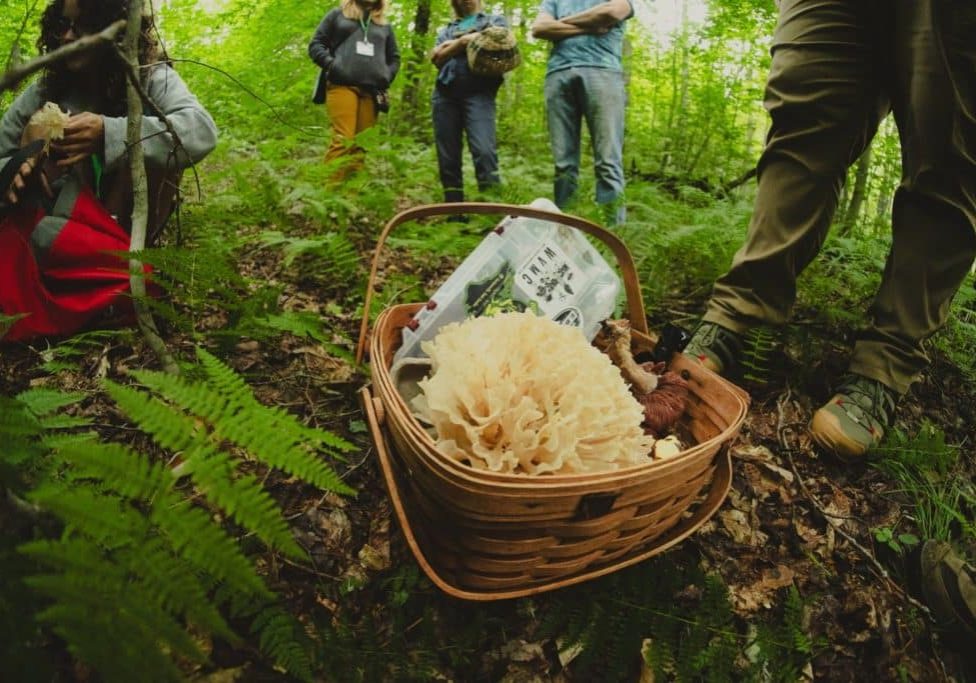
‘Foraging Is a Way of Connecting’
Foraging has experienced a modern resurgence, partly because of social media, online groups, the pandemic and people wanting to connect with nature. It also builds community, whether in person or online.

Colorblind Viewfinders Make Appalachian State Parks More Accessible
Virginia State Parks is the first park system in the nation to have a colorblind viewfinder at each one of its 43 locations — thanks to the dedication of one park ranger. Other states are following suit.
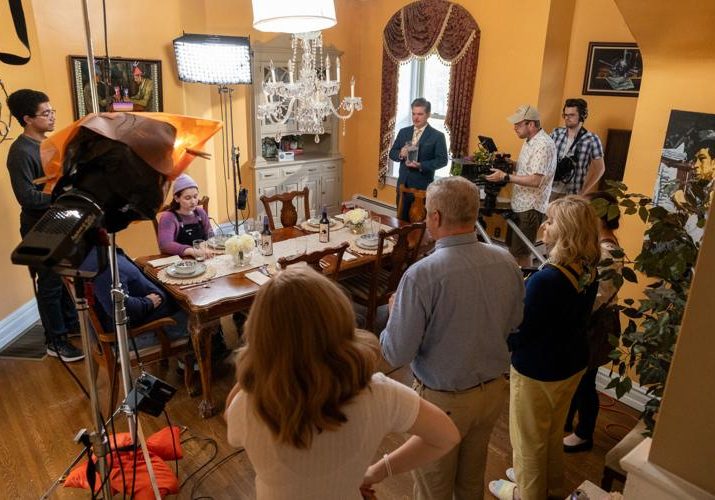
The Future of Film is in West Virginia
Many well-known TV and film productions have developed out of the Mountain State in years past, but the West Virginia Film Office is looking to the future to continue to grow the film industry.

Leave a comment
Your email address will not be published. Required fields are marked *
Leave a Comment