

Story by Alison Singer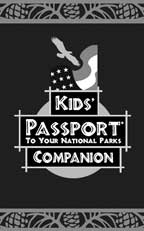
In 1986, the Eastern National Park & Monument Association (ENPMA) began the popular Passport to Your National Parks program. ENPMA, in cooperation with the National Park Service (NPS), developed imitation passports to encourage parents and children to visit the parks. Each passport includes maps, visitor information, photographs and illustrations. The passport is stamped with each visit to a national park, just as a genuine passport would be when entering a new country.
Mary Bomar, director of the NPS, and U.S. Senator Richard Burr (R-NC) recently unveiled a new book to augment the effort entitled Kids’ Passport to Your National Parks Companion. The companion includes places for stamps and for writing notes and memories about each park.
Senator Burr spearheaded the kids’ companion idea, hoping to “excite a whole generation of young Americans about the beauty and history of our nation.” He believes that “too often today, America’s youth find their entertainment on television and computer,” and that “there is a lot more fun to be had in our national parks than there is on television.”
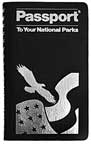
The passports are targeted to children from six to 12, and are available for purchase through ENPMA (www.easternnational.org), whose profits benefit the NPS. The books will also be available at most national parks. The kids’ passports are meant to supplement, not replace, the original Passport to Your National Parks.
There are 391 national park service sites throughout the country. Those in the Appalachian Mountains area include the Great Smoky Mountain National Park, the Blue Ridge Parkway, the Appalachian National Scenic Trail, the Shenandoah National Park, the Trail of Tears National Historic Trail, the Gauley River National Recreation Area, the New River Gorge National River, and several historic, heritage and military sites.
Related Articles
Latest News
More Stories
Signs of Life
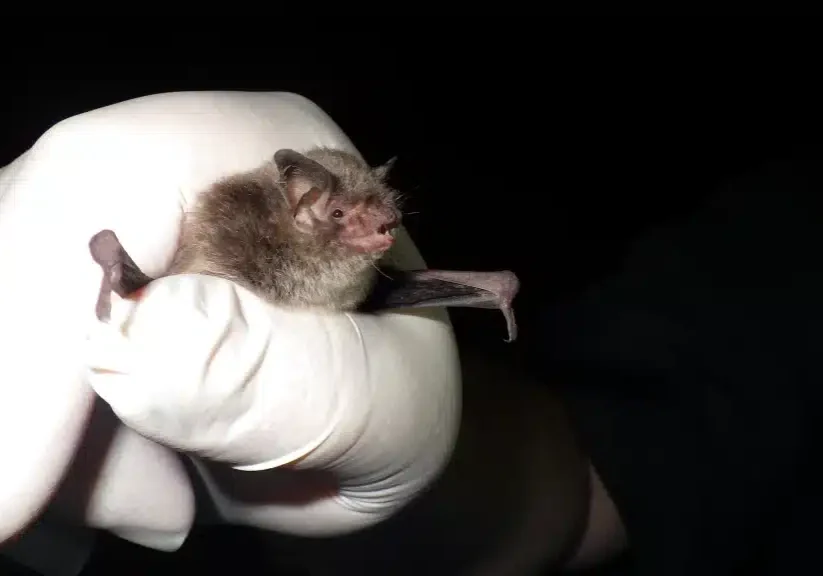
In the Nantahala National Forest, a team of biologists spotted Indiana bats, an endangered species that hasn’t been seen in North Carolina for the last 11 years.

‘First Line of Defense’
During Hurricane Helene and its aftermath, rural fire departments and other first responder hubs played critical roles in keeping their communities safe, even without power and cut off from outside support for days or weeks after the storm. Two years later, plenty of work remains to ensure these hubs have the resources they need to operate day to day and be ready when emergencies or natural disasters strike.

The Rocky Road — and Bridge — to Recovery
Hurricane Helene is estimated to have damaged nearly 7,000 private roads and bridges in Western North Carolina. Two years later, many restoration projects are complete, but the journey hasn’t been easy — and isn’t over for others.
After 20 Years, Letcher County Prison Proposal Is Still Alive, Though Obstacles Remain
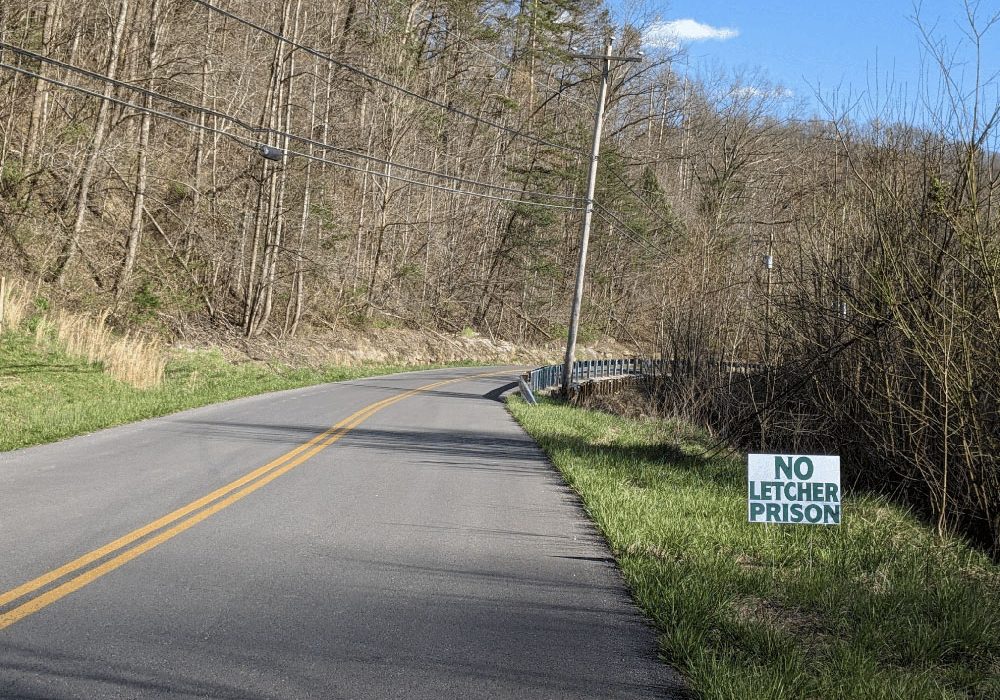
A $605 million proposal for a federal prison on a former strip mine site in Letcher County, Kentucky, championed by U.S. Rep. Hal Rogers, refuses to die, despite local opposition, a lack of support from the executive branch and numerous other obstacles.
The Washout and Rebuild
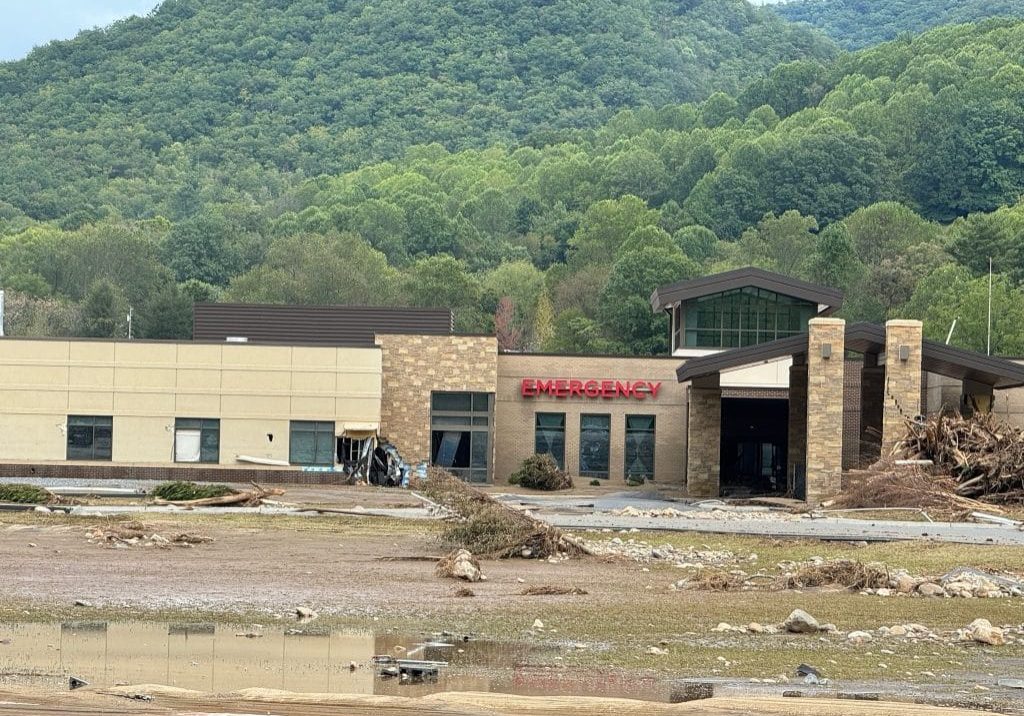
For nearly two years, residents of Unicoi County, Tennessee, have had to make do without a hospital after Hurricane Helene destroyed the rural hospital. Ballad Health, which owns the hospital, broke ground on a new location — in another floodplain — in August 2026.
The Shenandoah Salamander
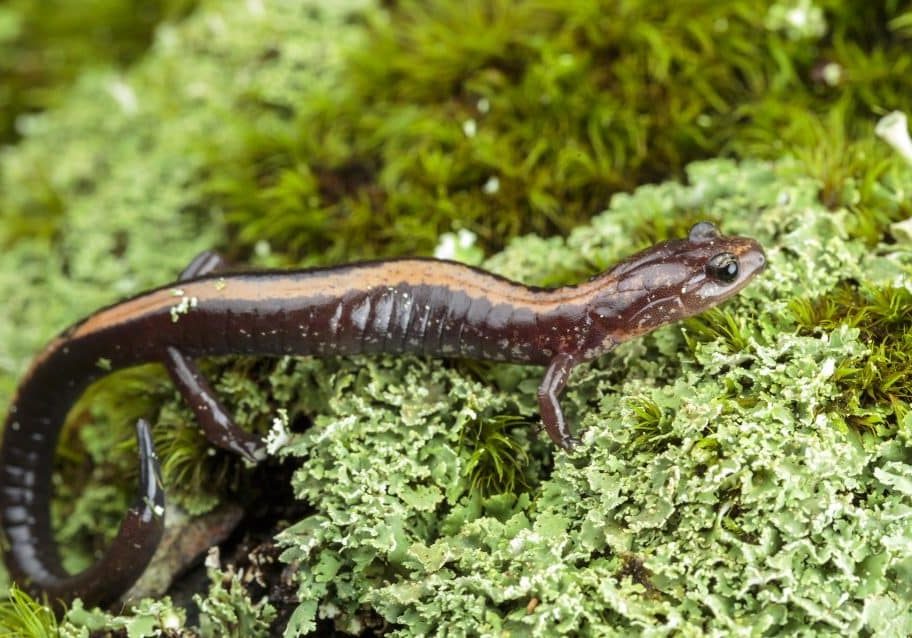
The Shenandoah salamander is a woodland salamander, which has adapted to life at higher elevations away from water. This sparkling rarity lives among the dry leaves, cracked logs, and stony hillocks on the highest peaks of Shenandoah National Park.

Leave a comment
Your email address will not be published. Required fields are marked *
Leave a Comment