

Mary Anne Hitt Named Executive Director
In May, Mary Anne Hitt was named as the new executive director of Appalachian Voices. Matt Wasson, who had served as executive director since December of 2001, stepped down in May to become the organization’s full time conservation director, a position that will better allow him to use his training as an ecologist.
Hitt has worked for Appalachian Voices since 2002, first as development director and then as associate executive director. She has a decade of experience working with nonprofit conservation organizations, including serving as executive director of both the Southern Appalachian Biodiversity Project in Asheville, North Carolina, and the Ecology Center in Missoula, Montana.
Hitt was raised in the mountains of east Tennessee just outside the Great Smoky Mountains National Park, where her father was the chief scientist for ten years. She says, “I’ve loved these mountains deeply since I was a little girl, and I’m honored to be the director of an organization that is doing effective work to tackle the issues everyone in Appalachia cares so much about: mountaintop removal coal mining, air pollution, and the protection of our forests.”
Wasson, who has a Ph.D. in ecology from Cornell University, is looking forward to having more opportunities to put those skills to work as conservation director. “I am really glad to be able to continue working for this excellent organization in a capacity that is more rewarding for me personally, and that uses my skills and training directly,” says Wasson. “We are extraordinarily lucky to have Mary Anne,” Wasson adds, “She’s the ideal person to take this organization and this team to the next level – she’s a natural leader.”
Harvard Ayers, the chairman of Appalachian Voices’ board of directors, welcomes the shift as well. He says, “I’m really pleased at how this organization has grown over the past seven years, and I have full confidence in Mary Anne to make this a more sustainable and more powerful organization.”
Hitt encourages Appalachian Voices members and supporters to contact her about their vision for the future of our region. “Appalachian Voices gains its strength from our supporters,” she says. “I look forward to working with them in the months and years ahead to ensure this organization is a powerful voice for the mountains.”
Hitt can be reached at 828-262-1500 or [email protected].
Related Articles
Latest News
More Stories

Signs of Life
In the Nantahala National Forest, a team of biologists spotted Indiana bats, an endangered species that hasn’t been seen in North Carolina for the last 11 years.

‘First Line of Defense’
During Hurricane Helene and its aftermath, rural fire departments and other first responder hubs played critical roles in keeping their communities safe, even without power and cut off from outside support for days or weeks after the storm. Two years later, plenty of work remains to ensure these hubs have the resources they need to operate day to day and be ready when emergencies or natural disasters strike.

The Rocky Road — and Bridge — to Recovery
Hurricane Helene is estimated to have damaged nearly 7,000 private roads and bridges in Western North Carolina. Two years later, many restoration projects are complete, but the journey hasn’t been easy — and isn’t over for others.
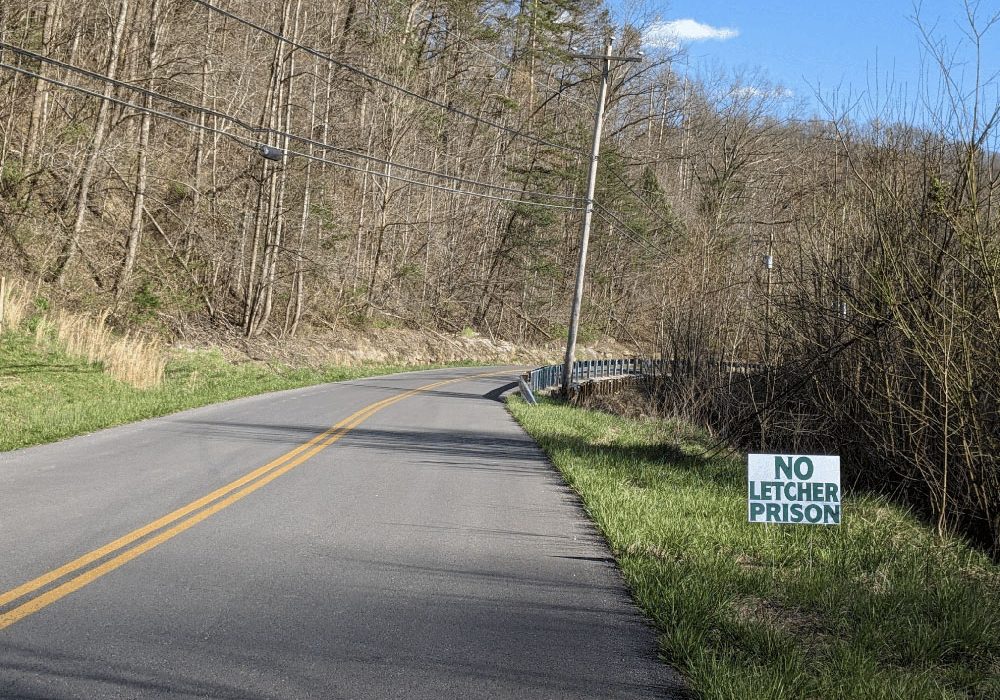
After 20 Years, Letcher County Prison Proposal Is Still Alive, Though Obstacles Remain
A $605 million proposal for a federal prison on a former strip mine site in Letcher County, Kentucky, championed by U.S. Rep. Hal Rogers, refuses to die, despite local opposition, a lack of support from the executive branch and numerous other obstacles.
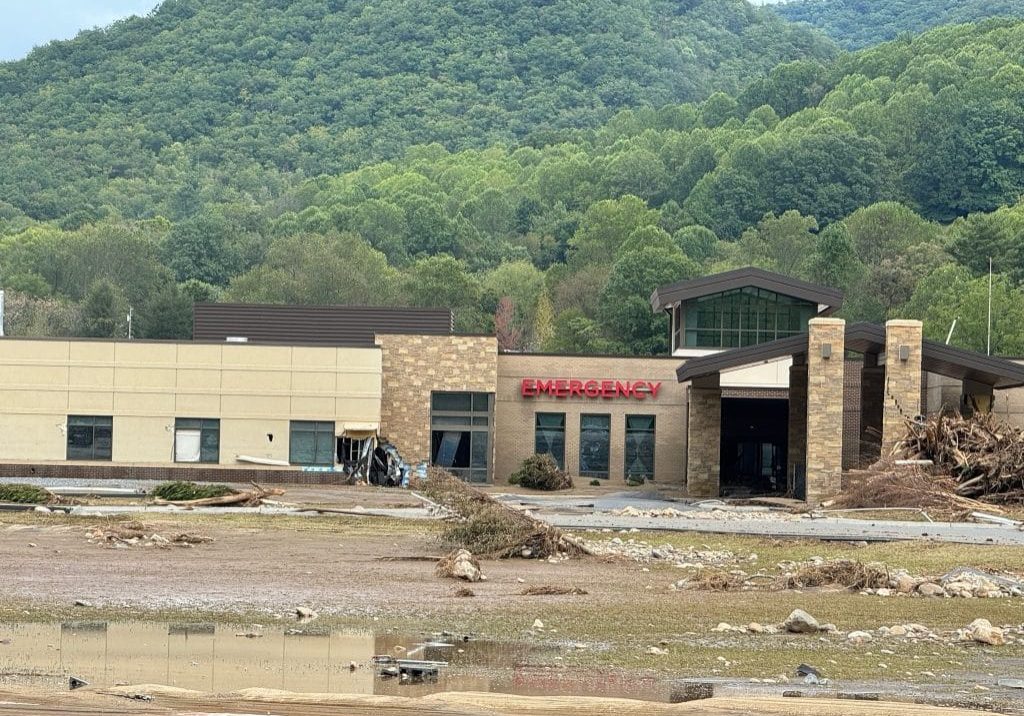
The Washout and Rebuild
For nearly two years, residents of Unicoi County, Tennessee, have had to make do without a hospital after Hurricane Helene destroyed the rural hospital. Ballad Health, which owns the hospital, broke ground on a new location — in another floodplain — in August 2026.
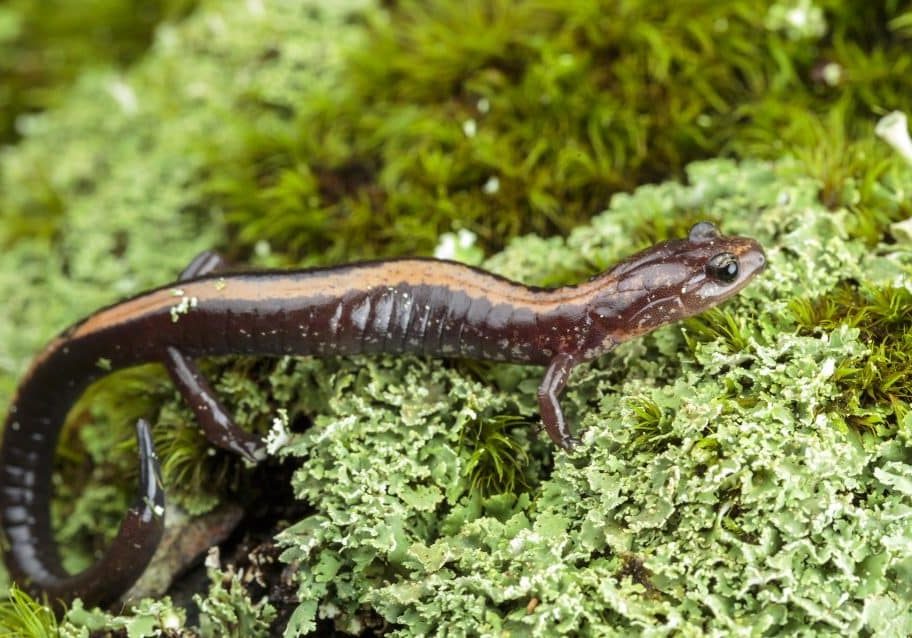
The Shenandoah Salamander
The Shenandoah salamander is a woodland salamander, which has adapted to life at higher elevations away from water. This sparkling rarity lives among the dry leaves, cracked logs, and stony hillocks on the highest peaks of Shenandoah National Park.

Leave a comment
Your email address will not be published. Required fields are marked *
Leave a Comment