

Park Pollution Not a Hazy Issue
If you’re like millions of Americans, you have plans to head for the mountains on your summer vacation. Unfortunately, you may not find the clean air and scenic views you were expecting. In fact, the air pollution in our southern Appalachian national parks is as bad or worse than you would find in big cities like Atlanta or New York.
Appalachian Voices, along with the National Parks Conservation Association and Our Children’s Earth Foundation, has just released a new edition of “Code Red,” our report about air pollution in our national parks. The report found that, once again, the Great Smoky Mountains is the national park with the worst air pollution in America, followed closely by two other Appalachian parks, Mammoth Cave in Kentucky and Shenandoah in Virginia.
What does this mean to the average national park visitor? First, it means that the air is unhealthy to breathe on certain days. Ozone pollution, also known as smog, can trigger asthma attacks and has even been shown to damage healthy lungs. For that reason, most national parks now recommend visitors avoid strenuous activities, such as hiking, on the worst ozone days.
Second, it means you might not find those long, scenic mountain views you were expecting. The Smokies got their name from the natural mist that rises up from the valleys, not the modern-day, man-made haze caused by air pollution. Visitors to the Smokies should be able to see for 80-110 miles, but on most summer days dirty air has reduced visibility in the park to 20 miles or less.
Finally, it means that the fish, wildlife, and plants in our national parks are having a harder time surviving. From tree leaves burned by ozone to streams that have become more acidic, air pollution causes a whole host of ecological problems in our national parks.
We think of our national parks as the last refuge for unspoiled nature, so it’s hard for many people to believe that they suffer from some of the worst air pollution in the country. That might explain why the release of “Code Red” made headline news across America, reaching over 10 million people through articles and news stories on programs like ABC’s Good Morning America and CNN’s Headline News.
Fortunately, the technology already exists to clean up one of the main sources of air pollution in our parks – old, outdated coal-fired power plants. Cleaning them up is largely a matter of political will, and not an impossible task, as North Carolina showed with the 2002 passage of the North Carolina Clean Smokestacks Act, which will reduce pollution from the state’s coal-fired power plants by 75% over the next 10 years. A similar bill has been introduced in Virginia and will make its way through the state legislature in the years ahead.
It’s now up to the rest of the region, and the nation as a whole, to safeguard human health and the environment by cleaning up these dirty power plants once and for all. This is especially important in the southern mountains, because air pollution does not stop at the park boundaries. Everyone living in our region is breathing the same dirty air, including our decision makers. We encourage them, and all the readers of the Appalachian Voice, to join with us to clean up these power plants and ensure a healthy future for the people and forests of the southern mountains.
Related Articles
Latest News
More Stories

Signs of Life
In the Nantahala National Forest, a team of biologists spotted Indiana bats, an endangered species that hasn’t been seen in North Carolina for the last 11 years.

‘First Line of Defense’
During Hurricane Helene and its aftermath, rural fire departments and other first responder hubs played critical roles in keeping their communities safe, even without power and cut off from outside support for days or weeks after the storm. Two years later, plenty of work remains to ensure these hubs have the resources they need to operate day to day and be ready when emergencies or natural disasters strike.

The Rocky Road — and Bridge — to Recovery
Hurricane Helene is estimated to have damaged nearly 7,000 private roads and bridges in Western North Carolina. Two years later, many restoration projects are complete, but the journey hasn’t been easy — and isn’t over for others.
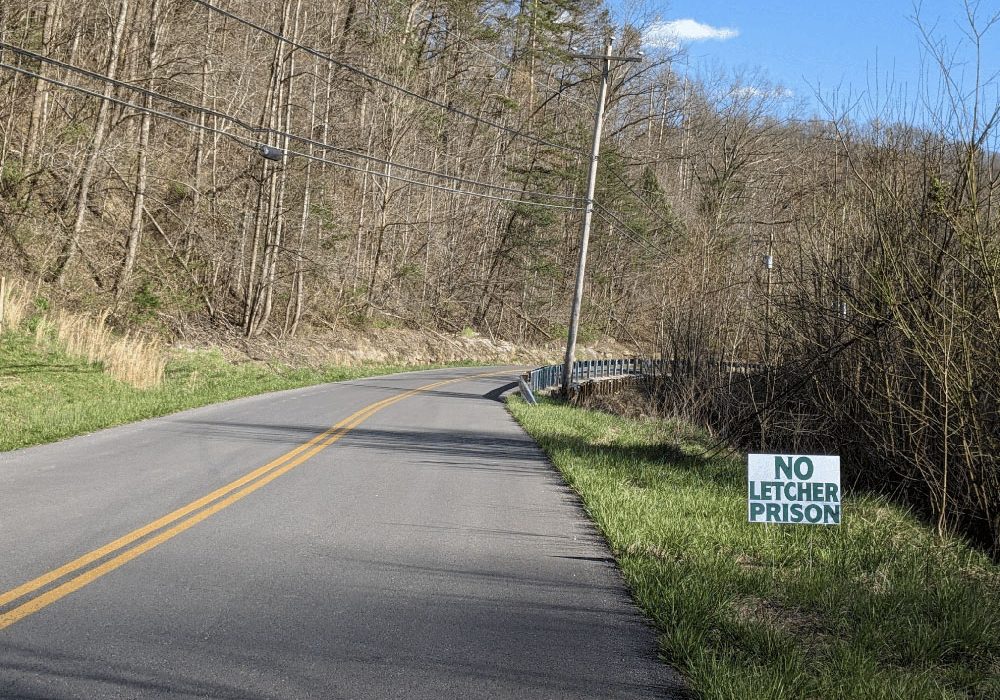
After 20 Years, Letcher County Prison Proposal Is Still Alive, Though Obstacles Remain
A $605 million proposal for a federal prison on a former strip mine site in Letcher County, Kentucky, championed by U.S. Rep. Hal Rogers, refuses to die, despite local opposition, a lack of support from the executive branch and numerous other obstacles.
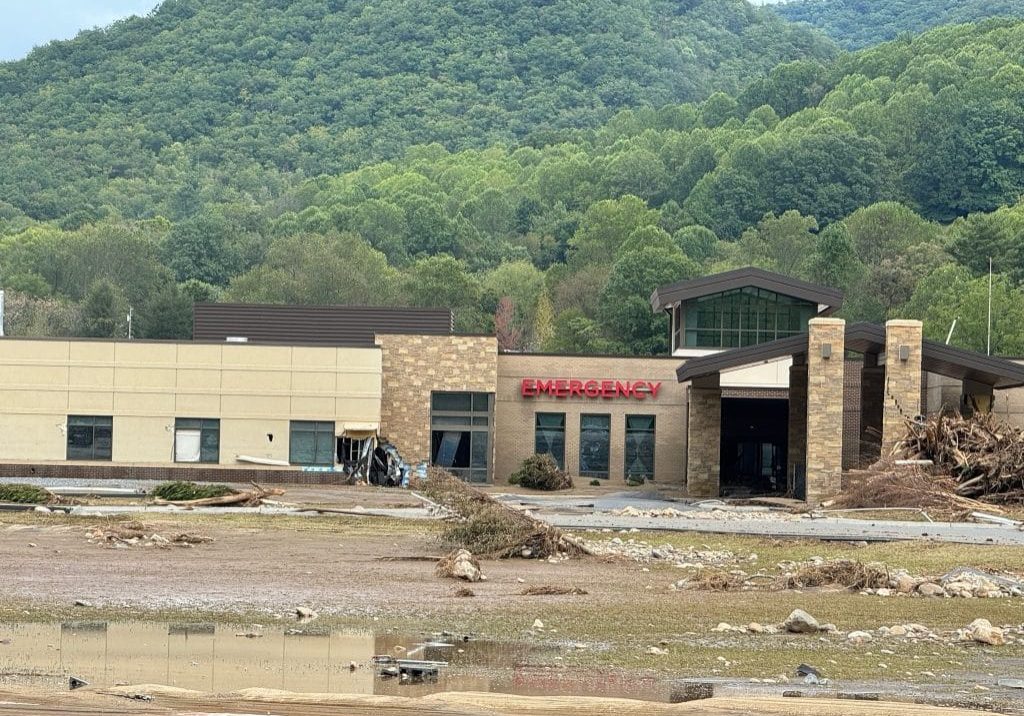
The Washout and Rebuild
For nearly two years, residents of Unicoi County, Tennessee, have had to make do without a hospital after Hurricane Helene destroyed the rural hospital. Ballad Health, which owns the hospital, broke ground on a new location — in another floodplain — in August 2026.

The Shenandoah Salamander
The Shenandoah salamander is a woodland salamander, which has adapted to life at higher elevations away from water. This sparkling rarity lives among the dry leaves, cracked logs, and stony hillocks on the highest peaks of Shenandoah National Park.

Leave a comment
Your email address will not be published. Required fields are marked *
Leave a Comment