

Appalachian Artists and Writers Must Create the Vision of a Healthy Future
By Theresa L. Burriss
Theresa L. Burriss is an assistant professor of English and Appalachian studies at Radford University. Burriss also serves as the contributing senior editor of Pluck! The Journal of Affrilachian Arts & Culture.
Appalachia is spiritually bankrupt. Despite the noble efforts of activist organizations and religious groups, mountaintop removal coal mining continues at an accelerated pace, unemployment figures rise almost daily, and drug abuse plagues many of the region’s residents, who have lost faith in the chance for a better life. And yet, we have not abandoned hope. The artists and writers of
Appalachia serve a vital role in the transformation of our region, for their creativity invites new ways of seeing the world, of being in this world.
Recently at the Society of Environmental Journalists’ conference, Wendell Berry proclaimed the necessary “emergence of a language to adequately express the dignity of humans and the environment.” Indeed, the loss of dignity for all life has led to the ills of the region
It’s time for Appalachian artists to boldly envision a healthy future for our region, a future where individuals, corporations, or government agencies that threaten our well-being are held accountable and immediately stopped. As writers craft the new language
Berry beckons, they will celebrate the rich diversity of Appalachian people and honor the sanctity of our environment. In the process, they will draw strength from Appalachian traditions of resistance. But they must employ their imaginations to counter the current spiritual decay, to speak out against the human greed destroying our ecosystems and attempting to annihilate our culture.
By viewing Appalachian people as less than human, animal-like, or savage, corporate moneygrubbers have run roughshod over our environments, communities, and individuals without a twinge of guilt or remorse. Appalachian artists and writers must counter this through a celebration of the sacredness of our mountains and the deep humanity of our residents. Erik Reece, writing in the 2008 November/December issue of Orion, speaks of this artistic effort when he announces, “Poetry, I think, is the ultimate language of belonging. […] The poem […] shows us how to transcend the mistake of seeing the world as merely a collection of objects, separate and insignificant. Poetry is a religion that redeems us in the here and now.” Artists have the ability to bring unity to our world, to elevate the perceived lowest among us to their rightful stature as equals. … For whatever the medium they choose, wherever they reside within the region, Appalachian artists and writers hold a key to our future in their ability to provide a new language, to imagine a fresh vision, and, consequently, to inspire a spiritually whole community.
Related Articles
Latest News
More Stories
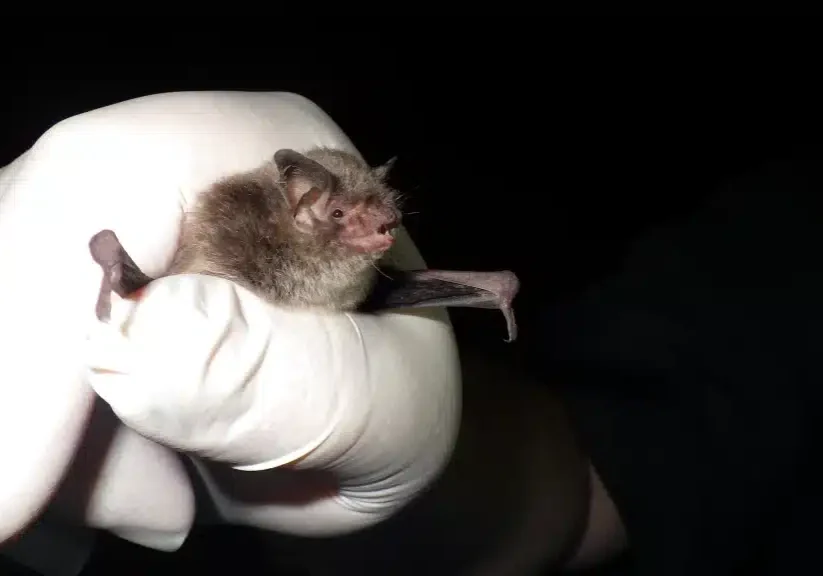
Signs of Life
In the Nantahala National Forest, a team of biologists spotted Indiana bats, an endangered species that hasn’t been seen in North Carolina for the last 11 years.

‘First Line of Defense’
During Hurricane Helene and its aftermath, rural fire departments and other first responder hubs played critical roles in keeping their communities safe, even without power and cut off from outside support for days or weeks after the storm. Two years later, plenty of work remains to ensure these hubs have the resources they need to operate day to day and be ready when emergencies or natural disasters strike.

The Rocky Road — and Bridge — to Recovery
Hurricane Helene is estimated to have damaged nearly 7,000 private roads and bridges in Western North Carolina. Two years later, many restoration projects are complete, but the journey hasn’t been easy — and isn’t over for others.
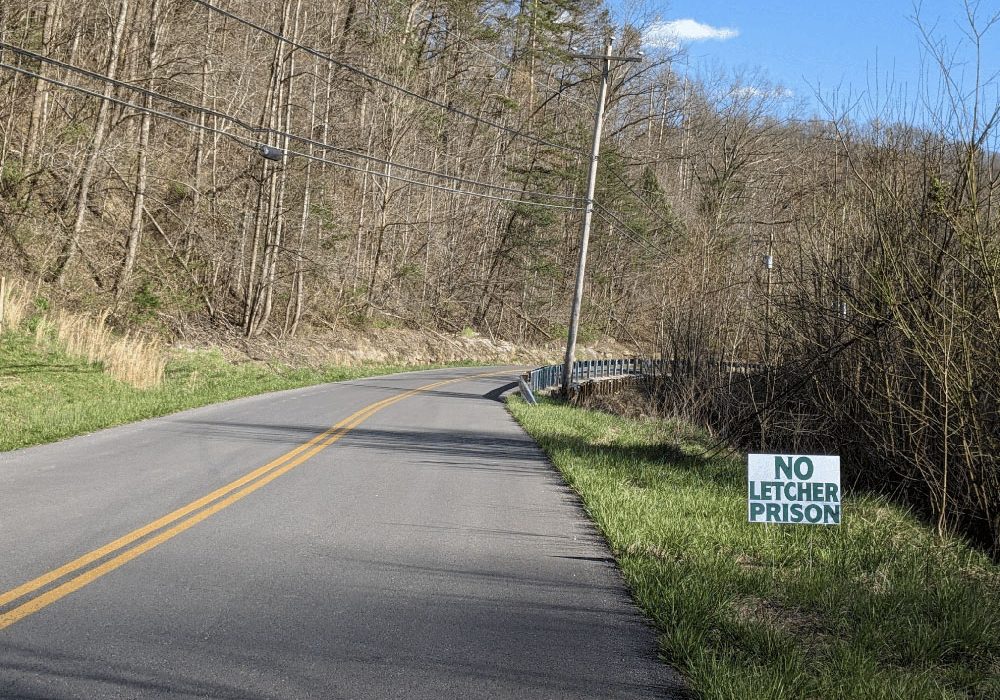
After 20 Years, Letcher County Prison Proposal Is Still Alive, Though Obstacles Remain
A $605 million proposal for a federal prison on a former strip mine site in Letcher County, Kentucky, championed by U.S. Rep. Hal Rogers, refuses to die, despite local opposition, a lack of support from the executive branch and numerous other obstacles.
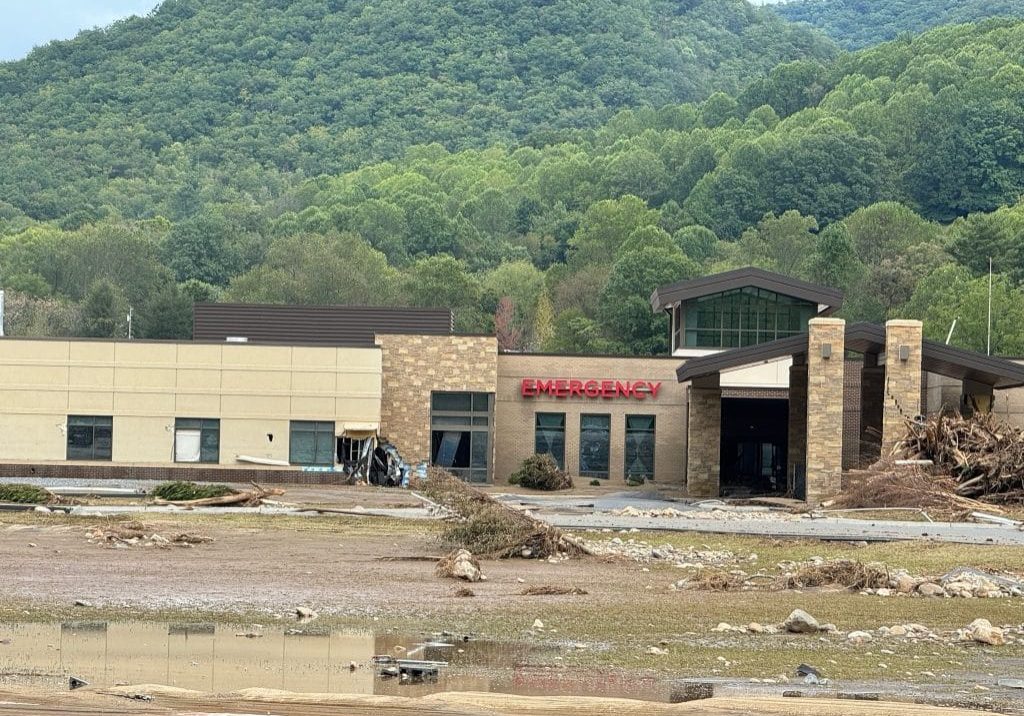
The Washout and Rebuild
For nearly two years, residents of Unicoi County, Tennessee, have had to make do without a hospital after Hurricane Helene destroyed the rural hospital. Ballad Health, which owns the hospital, broke ground on a new location — in another floodplain — in August 2026.
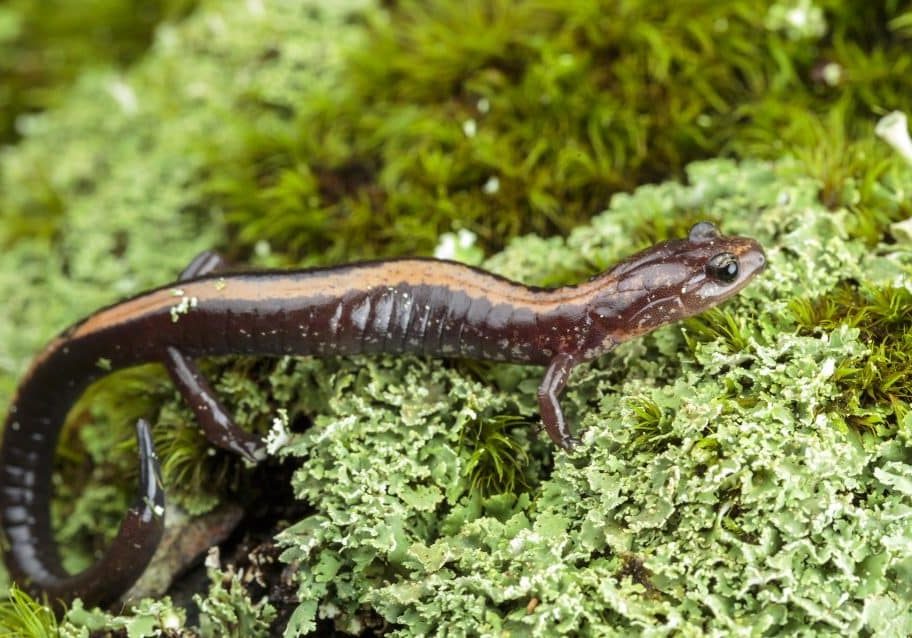
The Shenandoah Salamander
The Shenandoah salamander is a woodland salamander, which has adapted to life at higher elevations away from water. This sparkling rarity lives among the dry leaves, cracked logs, and stony hillocks on the highest peaks of Shenandoah National Park.

Leave a comment
Your email address will not be published. Required fields are marked *
Leave a Comment