

Generating a Renewed Energy Future
By Rory McIlmoil
Rory McIlMoil is the Coal River Wind Campaign Coordinator for the Coal River Mountain Watch
Through the employment of Mountaintop Removal (MTR) mining methods, the Appalachian coal industry has evolved. Now it is not merely suppressing economic diversification and prosperity in Appalachia as it has traditionally done. Now it is completely destroying any potential for diversifying and stabilizing rural Appalachian economies in the future. It is time for a new energy and economic development plan that is underwritten by principles of sustainability, justice, localization, and community ownership.
Such a model of development may not be achievable in the short-term, but it is indeed one that can be achieved in the future. To reach that point, there must be a smooth transition directed by thoughtful consideration of the challenges posed by the current situation.
Our current decision-making is exclusive of any ethical standard or democratic process, and excludes the true costs of extraction and energy production from the price of electricity – costs which are instead borne by the workers and the local communities.
Only by reversing these trends will the opportunity for change and renewal in Appalachia naturally present itself, but that opportunity must be cultivated by bringing an immediate end to Mountaintop Removal coal mining, by transferring ownership of the land over to those who live and depend on it, and by pursuing alternative uses of the beautiful Appalachian mountain ridges.
One option that is beginning to present itself is the development of wind power. Grassroots groups such as Coal River Mountain Watch, Appalachian Voices, the Ohio Valley Environmental Coalition, and others, are showing that wind power generates greater social, economic and environmental benefits for Appalachian states and communities than mountaintop removal coal mining does, and they are calling for a transition in order to preserve and re-define their Appalachian culture.
A successful shift towards wind power in Appalachia requires—in sharp contrast to what has occurred over the last 150 years—the preservation of the mountains, the support of elected representatives, the encouragement of creativity, diversification, and education, and the renewal of community. Wind is a resource that can be developed now. There are thousands of Megawatts of clean wind energy ready to be developed, and in its growth we may begin to see the generation of a new and renewable Appalachia.
Related Articles
Latest News
More Stories
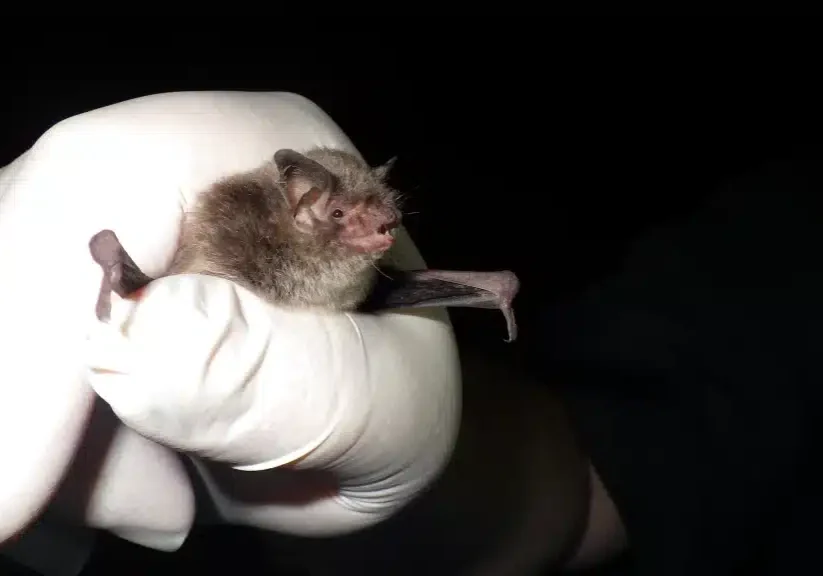
Signs of Life
In the Nantahala National Forest, a team of biologists spotted Indiana bats, an endangered species that hasn’t been seen in North Carolina for the last 11 years.

‘First Line of Defense’
During Hurricane Helene and its aftermath, rural fire departments and other first responder hubs played critical roles in keeping their communities safe, even without power and cut off from outside support for days or weeks after the storm. Two years later, plenty of work remains to ensure these hubs have the resources they need to operate day to day and be ready when emergencies or natural disasters strike.

The Rocky Road — and Bridge — to Recovery
Hurricane Helene is estimated to have damaged nearly 7,000 private roads and bridges in Western North Carolina. Two years later, many restoration projects are complete, but the journey hasn’t been easy — and isn’t over for others.
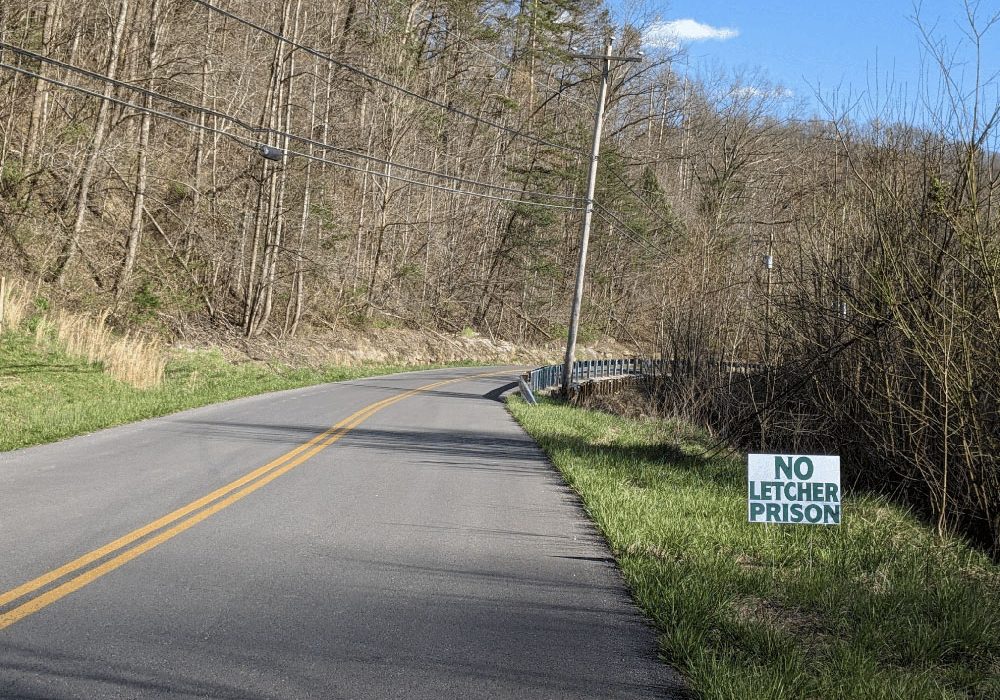
After 20 Years, Letcher County Prison Proposal Is Still Alive, Though Obstacles Remain
A $605 million proposal for a federal prison on a former strip mine site in Letcher County, Kentucky, championed by U.S. Rep. Hal Rogers, refuses to die, despite local opposition, a lack of support from the executive branch and numerous other obstacles.
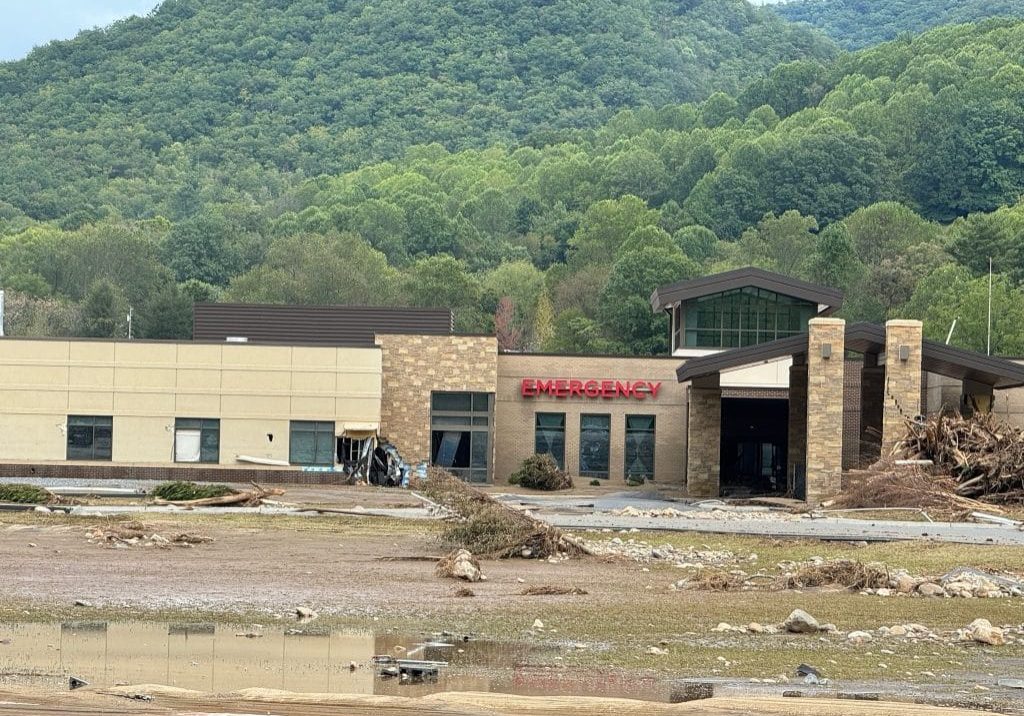
The Washout and Rebuild
For nearly two years, residents of Unicoi County, Tennessee, have had to make do without a hospital after Hurricane Helene destroyed the rural hospital. Ballad Health, which owns the hospital, broke ground on a new location — in another floodplain — in August 2026.

The Shenandoah Salamander
The Shenandoah salamander is a woodland salamander, which has adapted to life at higher elevations away from water. This sparkling rarity lives among the dry leaves, cracked logs, and stony hillocks on the highest peaks of Shenandoah National Park.

Leave a comment
Your email address will not be published. Required fields are marked *
Leave a Comment