

One Valley, Two Worlds
Climbing the steps at C.D. Owen High School in Black Mountain, NC, as hundreds of my classmates do each morning, offers two unique and contrasting perspectives. Looking straight ahead, as most do when preparing to start their school day, we see the rigid vertical and horizontal lines of the school’s modern facade-the carefully laid cinder blocks, the straight metal railing. But if I turn around at the top of the stairs and look to the east, the view is quite different. Undulating ridges, rounded peaks and the gentle curves of the Swannanoa Valley dominate the landscape. Clear days offer a commanding view of the dappled sunlight spilling over the mountains.
One valley, two worlds. There are days when it takes all my willpower to leave this simple but beautiful scene for the complicated “inside world” of computers and cell phones, bustle and noise. But living in the mountains these past two years has taught me that the seemingly disparate worlds of nature and civilization do not need to exclude each other. In fact, it is the simplicity of nature that can add joy to my day and keeps my problems in perspective. I never feel more carefree than when I run through the woods after school and feel the wind blowing around me. Simplicity and the opportunities to embrace it are everywhere; we need only grasp them.
This is especially difficult for my generation. Young people are perpetually surrounded by incentives to consume products that complicate our lives and usually leave us unsatisfied. We are encouraged to hurry through our day and be as “efficient” as possible. But as our lives get more complicated and mechanized, we forget to turn around as we climb the stairs and take a look at the simplicity all around us. Being simple, it seems, is more difficult than being complicated.
In the southern Appalachians, however, I have found a crucial leg up on life’s complications in the vibrant earth that is right before my eyes. We are fortunate to live in a part of the United States where nature’s wonders are all around us or just a short trip away. The chances to experience nature in the Appalachians are endless, as are the physical, emotional, and spiritual benefits of doing so.
Getting outdoors promotes physical exercise, from the easy stroll around the lake to the more demanding backpacking trip on the Appalachian Trail. Doing ordinary activities outdoors and merely breathing fresh air creates emotional calm and a genuine feeling of simplicity. And contemplating delicate yet simple natural phenomena–the changing of seasons, the senses aroused by trees, rivers, and mountains–is a profoundly spiritual experience. Naturalist John Muir said that “going to the mountains is going home.” Perhaps it can also be a trip to the gym, to the therapist, or to church. It is our good fortune that we need not go far for any of these things.
Appreciating nature may be the first step to safeguarding it. But just as we should experience the environment for ourselves, we must also take active responsibility for its protection. In one form or another, the root of most of our environmental problems lies in our consumer habits, and it is on these that we need to focus if our mountains are to survive and flourish.
What we consume directly affects the quality of our environment. The acid rain-ravaged peak of Mount Mitchell bears the mark of our cars, denuded slopes the imprints of our homes and roads and stores. Every cleared acre and every filmy stream attests the adverse affects of some consumer decision. We cannot always witness the impact of our choices directly; our economy is global and our goods are not all from the Appalachians. On principal, however, we must always check our own habits before we pass our environmental problems onto the shoulders of big businesses and legislators.
I find that the best way to do this is to let nature serve as an inspiration al example of simplicity. If we model our lifestyle after the mountains, they will be present for the appreciation of many future generations. Our beloved Appalachians have no need for complex luxuries; they want only to live and breathe. They thrive because they are simple, and they make no demand of us except that we be part of them. If we listen to the true Appalachian voice, it asks only that we look around and see that we are among the mountains, not above them.
We don’t need to move into the woods or radically alter our way of life to start appreciating nature. All we need to do is find a little time every day to delight in the glorious simplicity of our natural surroundings and to integrate some of that simplicity into our everyday lives. Our respect for and appreciation of these mountains and the broader global environment are mirrored in uncomplicated and responsible consumer habits. Today let’s let the mountains be our role model– learn from their simple beauty. Again, Muir’s words say it best: “Climb the mountains and get their good tidings.”
Joe Wilkerson is a senior at Owen High School in Black Mountain, NC. He plans to attend UNC-Asheville next fall. Contact him at [email protected].
Related Articles
Latest News
More Stories

Signs of Life
In the Nantahala National Forest, a team of biologists spotted Indiana bats, an endangered species that hasn’t been seen in North Carolina for the last 11 years.

‘First Line of Defense’
During Hurricane Helene and its aftermath, rural fire departments and other first responder hubs played critical roles in keeping their communities safe, even without power and cut off from outside support for days or weeks after the storm. Two years later, plenty of work remains to ensure these hubs have the resources they need to operate day to day and be ready when emergencies or natural disasters strike.

The Rocky Road — and Bridge — to Recovery
Hurricane Helene is estimated to have damaged nearly 7,000 private roads and bridges in Western North Carolina. Two years later, many restoration projects are complete, but the journey hasn’t been easy — and isn’t over for others.
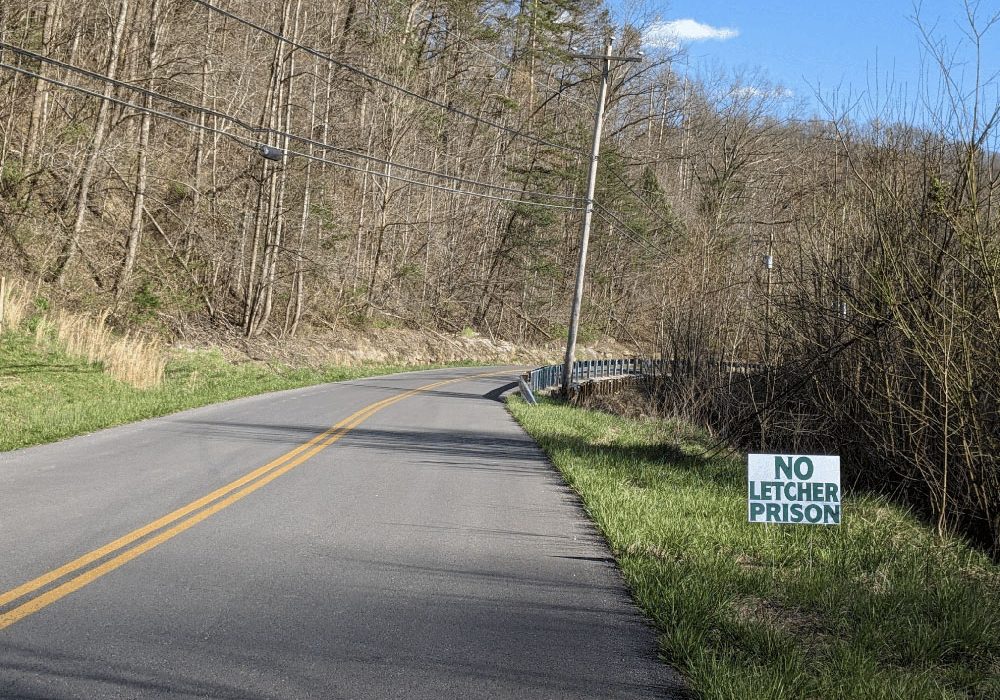
After 20 Years, Letcher County Prison Proposal Is Still Alive, Though Obstacles Remain
A $605 million proposal for a federal prison on a former strip mine site in Letcher County, Kentucky, championed by U.S. Rep. Hal Rogers, refuses to die, despite local opposition, a lack of support from the executive branch and numerous other obstacles.
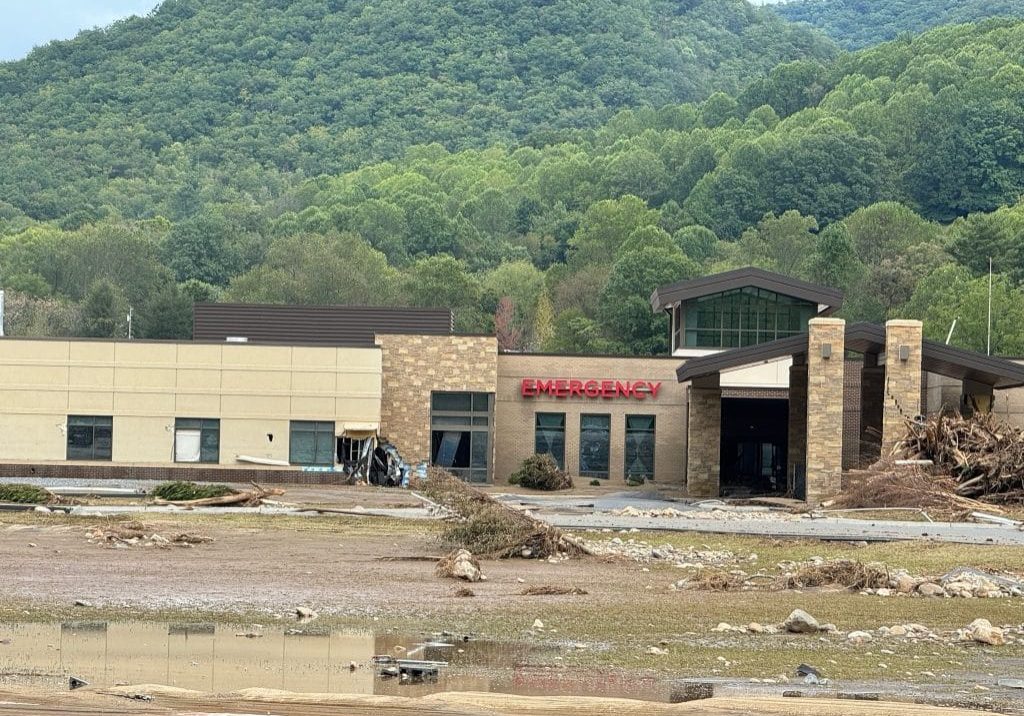
The Washout and Rebuild
For nearly two years, residents of Unicoi County, Tennessee, have had to make do without a hospital after Hurricane Helene destroyed the rural hospital. Ballad Health, which owns the hospital, broke ground on a new location — in another floodplain — in August 2026.

The Shenandoah Salamander
The Shenandoah salamander is a woodland salamander, which has adapted to life at higher elevations away from water. This sparkling rarity lives among the dry leaves, cracked logs, and stony hillocks on the highest peaks of Shenandoah National Park.

Leave a comment
Your email address will not be published. Required fields are marked *
Leave a Comment