

Action Alert! Help Stop Rollbacks of Clean Air Laws
As the 109th Congress launches its session, the administration in Washington is clearly determined to advance new air pollution laws that will undermine the existing Clean Air Act. Their first attempt comes in the form of the Clear Skies Act, a bill with a misleading name that would actually allow more air pollution and delay clean up of our oldest coal fired power plants.
As this paper goes to press, a Senate committee is scheduled to vote on Clear Skies, but the administration has vowed that it will advance the components of the bill piece by piece if necessary, regardless of the outcome of the committee vote. No matter what happens to Clear Skies, the people of our region will need to remain vigilant over the next two years to keep our clean air protections in place.
These rollbacks are bad news for the Appalachian Mountains, home to some of the worst air pollution in the nation. Clear Skies would lead to more air pollution in a region that already sees thousands of premature deaths due to air pollution. It would also undermine the North Carolina Clean Smokestacks Act, one of the strongest clean air laws in the nation.
The fight for our clean air laws will be won or lost in the US Senate, so please contact your senators and let them know you oppose any weakening of our clean air laws. They have facts and figures at their fingertips – it is more important to let them know why YOU care about clean air. It is especially important for North Carolina residents to contact their Senators. Call, write, or email them today at the congressional switchboard: 1-202-224-3121, or write them at:
The Honorable [name of Senator] Washington DC, 20510
For more information about Clear Skies and help in writing your letter, go to www.appalachianvoices.org, or call toll-free, 1-877-APP-VOICE.
Related Articles
Latest News
More Stories
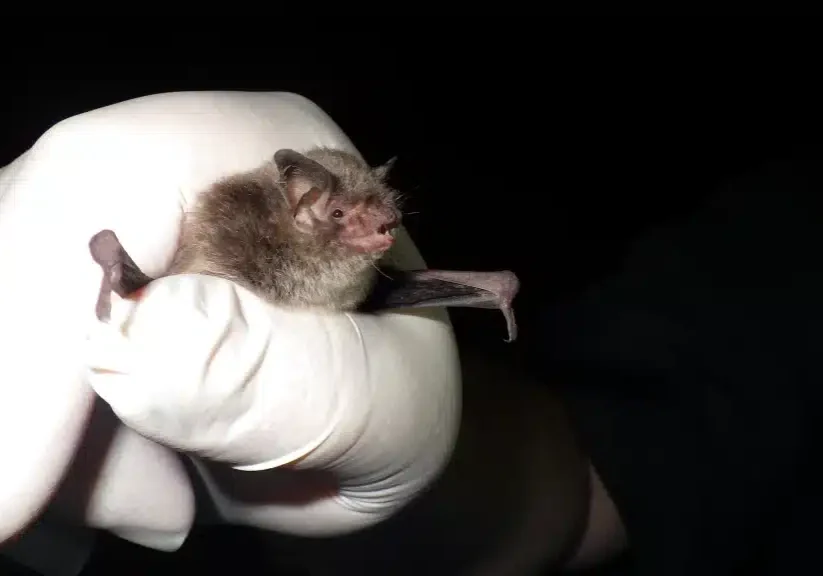
Signs of Life
In the Nantahala National Forest, a team of biologists spotted Indiana bats, an endangered species that hasn’t been seen in North Carolina for the last 11 years.

‘First Line of Defense’
During Hurricane Helene and its aftermath, rural fire departments and other first responder hubs played critical roles in keeping their communities safe, even without power and cut off from outside support for days or weeks after the storm. Two years later, plenty of work remains to ensure these hubs have the resources they need to operate day to day and be ready when emergencies or natural disasters strike.

The Rocky Road — and Bridge — to Recovery
Hurricane Helene is estimated to have damaged nearly 7,000 private roads and bridges in Western North Carolina. Two years later, many restoration projects are complete, but the journey hasn’t been easy — and isn’t over for others.
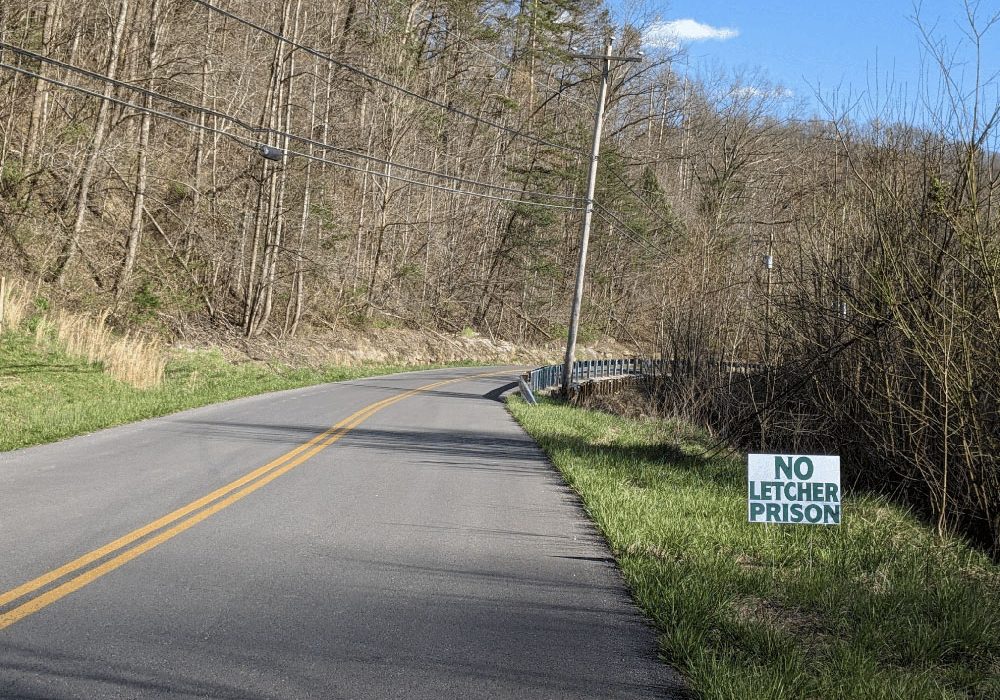
After 20 Years, Letcher County Prison Proposal Is Still Alive, Though Obstacles Remain
A $605 million proposal for a federal prison on a former strip mine site in Letcher County, Kentucky, championed by U.S. Rep. Hal Rogers, refuses to die, despite local opposition, a lack of support from the executive branch and numerous other obstacles.
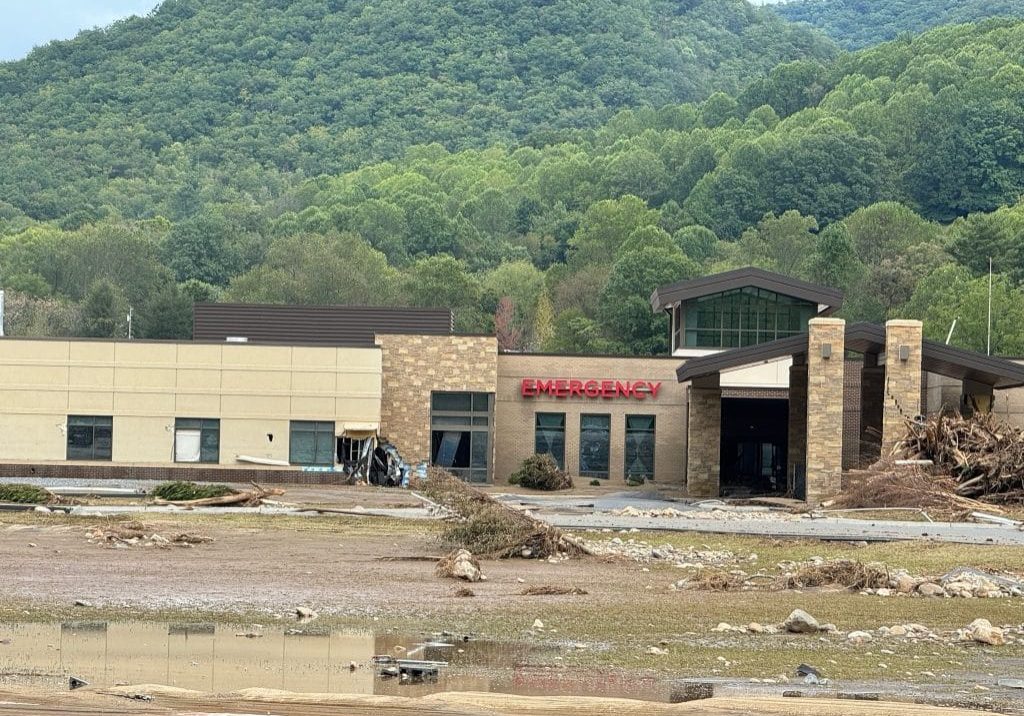
The Washout and Rebuild
For nearly two years, residents of Unicoi County, Tennessee, have had to make do without a hospital after Hurricane Helene destroyed the rural hospital. Ballad Health, which owns the hospital, broke ground on a new location — in another floodplain — in August 2026.

The Shenandoah Salamander
The Shenandoah salamander is a woodland salamander, which has adapted to life at higher elevations away from water. This sparkling rarity lives among the dry leaves, cracked logs, and stony hillocks on the highest peaks of Shenandoah National Park.

Leave a comment
Your email address will not be published. Required fields are marked *
Leave a Comment