

Translating Intentions Around Climate Change into Religious Action
By Mallory McDuff
As climate change becomes more politicized in Congress, many religious leaders — from evangelicals to Episcopalians — have expressed more agreement than discord on the need to address the rising threat. Yet it’s often easier to acknowledge the urgency of the climate crisis than to translate that knowledge into action on a congregational level.
As a lifelong Episcopalian, I traveled across the country with my two children to document how churches were integrating the environment into their ministries. This research revealed a need for stories and strategies about how congregations were confronting climate change, the greatest moral crisis of our time.
To that end, the anthology Sacred Acts includes voices from local congregations that are harvesting food from church gardens, weatherizing parish halls, installing solar panels on sanctuaries and advocating against mountaintop removal.
Faith-based environmental organizations such as Earth Ministry, Interfaith Power & Light, GreenFaith and the Evangelical Environmental Network are working with faith communities to address climate change through stewardship, spirituality, advocacy and justice. Georgia Interfaith Power & Light, for example, has completed 76 energy audits of religious facilities, saving congregations 20 percent of their energy budgets; 200 more congregations are in the pipeline.
Many of these stories have ties to Appalachia. In Kentucky, Father John S. Rausch describes the decades-long effort to combat mountaintop removal through advocacy and liturgy, such as using the Stations of the Cross to highlight the horrific impacts of mountaintop removal on Appalachian communities.
Food, faith and climate are connected through the church garden at Oakley United Methodist Church in Asheville, N.C. Newcomers to the church receive a jar of salsa, canned with garden tomatoes; elders have hosted canning parties for young families, and the church parking lot is the site of a farmers market.
At La Capilla de Santa Maria, a church that ministers to Spanish-speaking immigrants in Western North Carolina, Jill Rios worked with parishioners on sustainable building projects for the church.
Despite this momentum, some skeptics might protest that churches are unprepared to confront global warming when memberships and budgets are shrinking. Others might say people of faith lack the capacity to act with consensus around a politically divisive issue.
But history tells me that Christians have mobilized around moral and political issues such as the anti-slavery and civil rights movement. Climate change has brought together diverse religious denominations that often disagree about issues such as abortion or gay marriage, especially in North Carolina.
We must reinvigorate churches through climate action that reflects loving our neighbor as ourselves. Our faith prepares us for sacred acts of resistance that can reconcile us with the earth, each other, and ultimately with God.
Mallory McDuff, Ph.D., is the author of Sacred Acts: How Churches are Working to Protect Earth’s Climate (New Society Publishers, 2012) and Natural Saints (OUP, 2010). She teaches at Warren Wilson College.
Related Articles
Latest News
More Stories

‘First Line of Defense’
During Hurricane Helene and its aftermath, rural fire departments and other first responder hubs played critical roles in keeping their communities safe, even without power and cut off from outside support for days or weeks after the storm. Two years later, plenty of work remains to ensure these hubs have the resources they need to operate day to day and be ready when emergencies or natural disasters strike.

The Rocky Road — and Bridge — to Recovery
Hurricane Helene is estimated to have damaged nearly 7,000 private roads and bridges in Western North Carolina. Two years later, many restoration projects are complete, but the journey hasn’t been easy — and isn’t over for others.
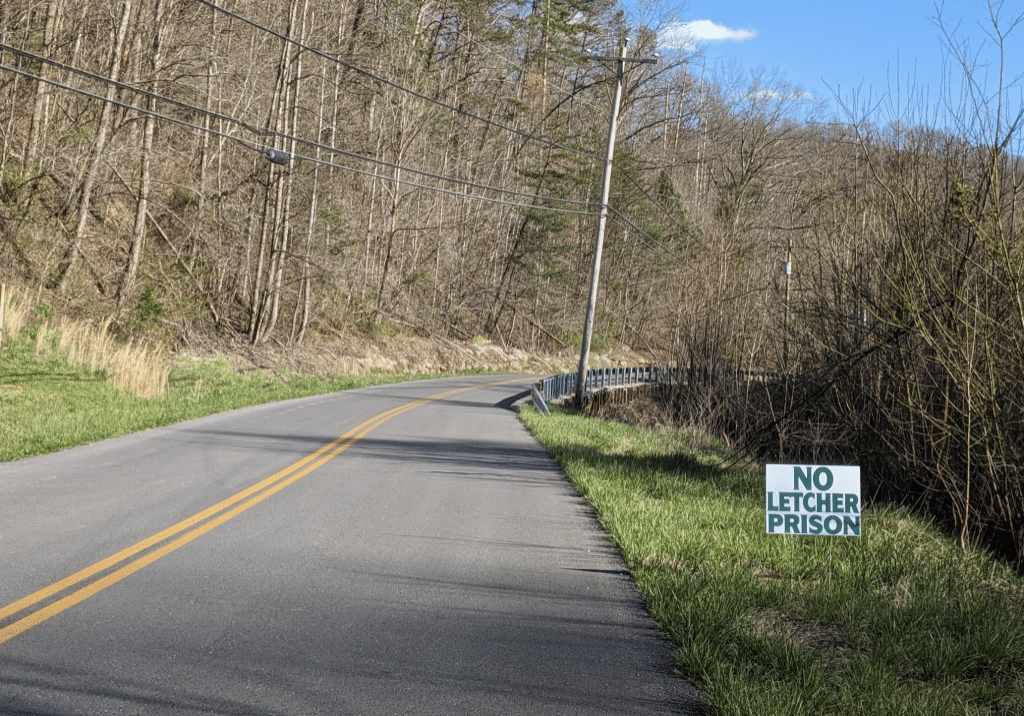
After 20 Years, Letcher County Prison Proposal Is Still Alive, Though Obstacles Remain
A $605 million proposal for a federal prison on a former strip mine site in Letcher County, Kentucky, championed by U.S. Rep. Hal Rogers, refuses to die, despite local opposition, a lack of support from the executive branch and numerous other obstacles.
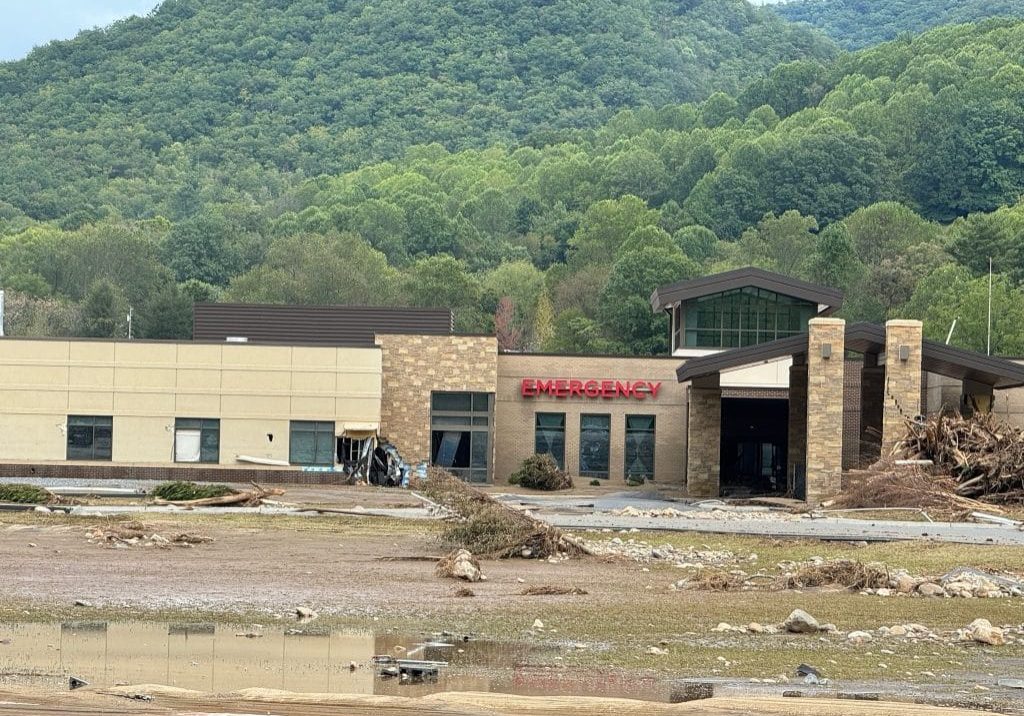
The Washout and Rebuild
For nearly two years, residents of Unicoi County, Tennessee, have had to make do without a hospital after Hurricane Helene destroyed the rural hospital. Ballad Health, which owns the hospital, broke ground on a new location — in another floodplain — in August 2026.

The Shenandoah Salamander
The Shenandoah salamander is a woodland salamander, which has adapted to life at higher elevations away from water. This sparkling rarity lives among the dry leaves, cracked logs, and stony hillocks on the highest peaks of Shenandoah National Park.
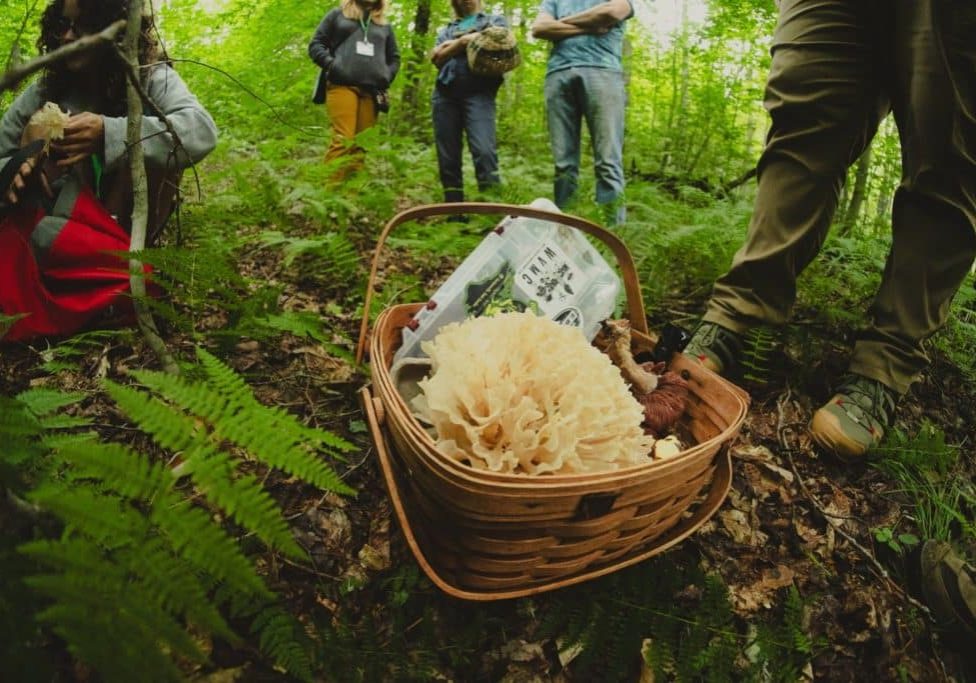
‘Foraging Is a Way of Connecting’
Foraging has experienced a modern resurgence, partly because of social media, online groups, the pandemic and people wanting to connect with nature. It also builds community, whether in person or online.

Leave a comment
Your email address will not be published. Required fields are marked *
Leave a Comment