

EPA Issues First-Ever National Mercury and Air Toxic Standards
In December 2011, the U.S. Environmental Protection Agency issued the Mercury and Air Toxic Standards, the first-ever national standards to protect families from mercury and toxic air pollutants emitted by power plants.
Pollutants from coal-fired power plants include arsenic, acid gas, nickel, selenium and cyanide. The standards will cut these emissions with proven pollution controls used by more than half of the nation’s coal-fired plants.
Hailed as a victory by environmentalists and public health advocates, the EPA estimates that as many as 11,000 premature deaths and 4,700 heart attacks will be prevented and that the new standards will eliminate more than 130,000 cases of childhood asthma symptoms and 6,300 cases of acute bronchitis among children each year.
Mercury and other toxic pollutants have been shown to harm the nervous system, cause cancer, and impair thinking and early development. As mercury enters local waterways, it bio-accumulates at levels dangerous for human consumption.
Power plants are the largest remaining source of these toxic air pollutants. They are responsible for more than half of the mercury and 75 percent of the acid gas emissions in the United States. More than half of the power plants in the country use some sort of pollutions control, which the EPA used as a basis when creating the Mercury and Air Toxic Standards.
The standards are accompanied by a Presidential Memorandum that directs the EPA to use tools provided in the Clean Air Act to implement the Mercury and Air Toxic Standards in a cost-effective manner that ensures electrical reliability. The standards also ensure that benefits to public health will outweigh costs of implementation.
The EPA estimates that for every dollar spent on reducing pollution, the American public will see $9 in health benefits. Annually, the total health and economic benefits of these standards are estimated to be as much as $90 billion.
The Mercury and Air Toxic Standards and the final Cross-State Air Pollution Rule are the most significant steps in cleaning the air since the Acid Rain Program of the 1990s.
Constellations Ahead of New Rules
At least one energy company in the country was looking forward to the new emissions and cross-state air pollution rules.
Baltimore, Md.,-based Constellation Energy spent $885 million in 2009 to install emissions controls for sulfur and nitrogen, anticipating new rules by the EPA. The company has already drastically reduced emissions at their Brandon Shores plant.
The Cross-State Air Pollution rule was originally to take effect on Jan. 1, but a federal court issued a temporary stay of regulations to evaluate how much time coal companies would need to implement the retrofits.
Constellation argued that other plants should have to implement these emission limits or shut down completely.
Related Articles
Latest News
More Stories

‘First Line of Defense’
During Hurricane Helene and its aftermath, rural fire departments and other first responder hubs played critical roles in keeping their communities safe, even without power and cut off from outside support for days or weeks after the storm. Two years later, plenty of work remains to ensure these hubs have the resources they need to operate day to day and be ready when emergencies or natural disasters strike.

The Rocky Road — and Bridge — to Recovery
Hurricane Helene is estimated to have damaged nearly 7,000 private roads and bridges in Western North Carolina. Two years later, many restoration projects are complete, but the journey hasn’t been easy — and isn’t over for others.
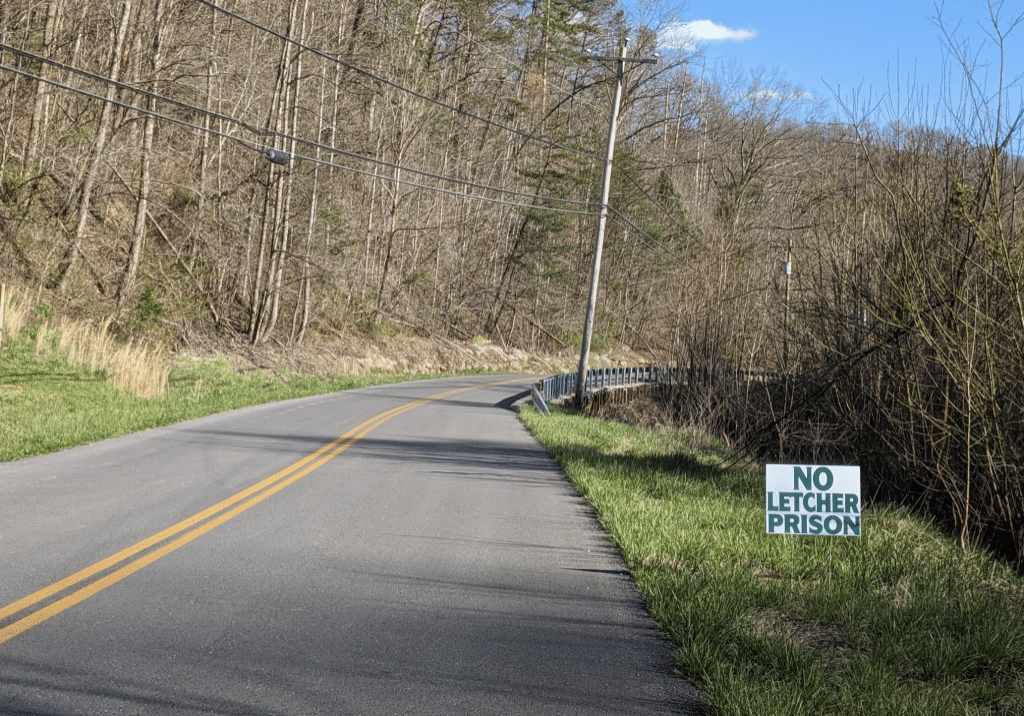
After 20 Years, Letcher County Prison Proposal Is Still Alive, Though Obstacles Remain
A $605 million proposal for a federal prison on a former strip mine site in Letcher County, Kentucky, championed by U.S. Rep. Hal Rogers, refuses to die, despite local opposition, a lack of support from the executive branch and numerous other obstacles.
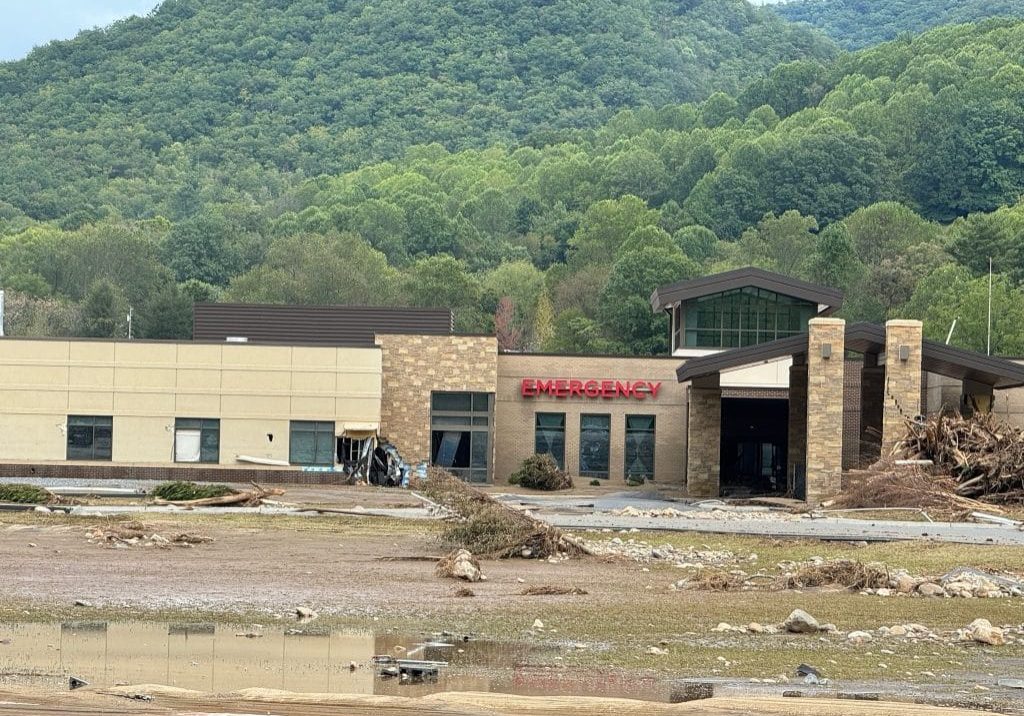
The Washout and Rebuild
For nearly two years, residents of Unicoi County, Tennessee, have had to make do without a hospital after Hurricane Helene destroyed the rural hospital. Ballad Health, which owns the hospital, broke ground on a new location — in another floodplain — in August 2026.

The Shenandoah Salamander
The Shenandoah salamander is a woodland salamander, which has adapted to life at higher elevations away from water. This sparkling rarity lives among the dry leaves, cracked logs, and stony hillocks on the highest peaks of Shenandoah National Park.

‘Foraging Is a Way of Connecting’
Foraging has experienced a modern resurgence, partly because of social media, online groups, the pandemic and people wanting to connect with nature. It also builds community, whether in person or online.

Leave a comment
Your email address will not be published. Required fields are marked *
Leave a Comment