

SELC Releases Top Ten Endangered Places List, Shows Threats in Southeast
The Southern Environmental Law Center recently released its fourth-annual Top 10 Endangered Places list for 2012, highlighting the ecologically and culturally rich areas throughout the Southeast that are threatened by development, water issues and the environmental impacts of mountaintop removal and hydraulic fracturing. Southeastern states bordering Appalachia, North Carolina, Virginia and Tennessee, are each featured in the list.

The Catawba-Wateree River system, originating in the Blue Ridge Mountains of North Carolina and providing drinking water for over a million people, has been negatively impacted by the presence of coal ash in leaky unlined ponds along major tributaries. In the Piedmont region, lawmakers are considering legalizing hydraulic fracturing, the controversial natural gas drilling method that has been linked to groundwater contamination and other environmental and health concerns.
In southwestern Virginia and eastern Tennessee, mountaintop removal and other destructive coal mining practices have already destroyed at least 500 mountains and damaged 1,700 miles of streams in Virginia, Tennessee and other Central Appalachian states, and pressure continues to mount. On the Virginia coast, decades of pollution in the Chesapeake Bay estuary has created dead zones incapable of supporting aquatic life.
Plans to construct and renovate highways have disrupted many distinguished recreation spots in Charlottesville, Va., and in Chilhowee Mountain, Tenn. Chilhowee Mountain is part of Tennessee’s Cherokee National Forest and known as a destination for outdoor lovers around the country.
Southern states such as South Carolina, Georgia and Alabama are experiencing severe environmental threats as well. The Savannah River, which stretches from South Carolina to Georgia, could lose many aquatic habitats as the Army Corps of Engineers plan to deepen its shipping channel.
The Dawson Forest, located just north of Atlanta, is threatened by a proposed $650 million reservoir that would drain 100 million gallons of water from the Etowah River each day to support Atlanta’s increasing water supply needs. Alabama’s coastline is on SELC’s Top Ten list for a second year because of the potential recurrence of spills like the 2010 Deepwater Horizon explosion — the largest offshore oil spill in U.S. history.
SELC is the largest environmental organization focused exclusively on the South.Their major programs cover clean energy, transportation and land use, southern forests, the coast and wetlands, and preservation of rural countryside and community character.
Related Articles
Latest News
More Stories
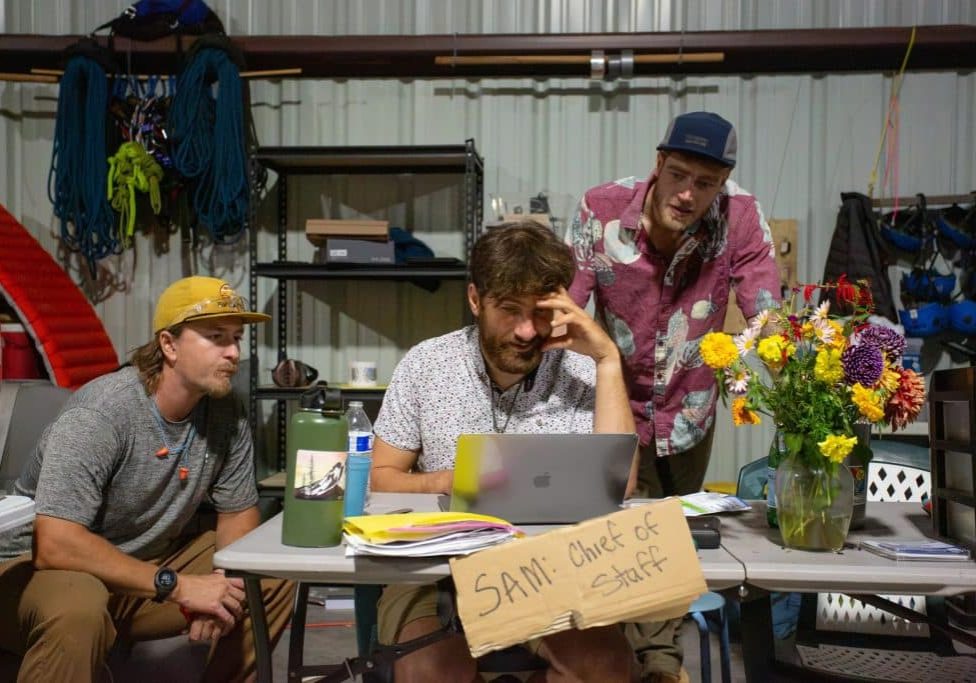
Neighbors Help Neighbors
A photo essay that celebrates the volunteer spirit of the grassroots group Hurricane Helene WNC and speaks to the resourcefulness, collaboration and hard work embodied by thousands and thousands of volunteers, first responders and aid workers across the region after Hurricane Helene.

Halloween Approaches, and Night School Is in Session
The House of Art in Bluefield, West Virginia, looks like a haunted tower, making it the perfect location for its sixth annual haunt event: Night School. The Night School will be open every Friday and Saturday night through Oct. 31.
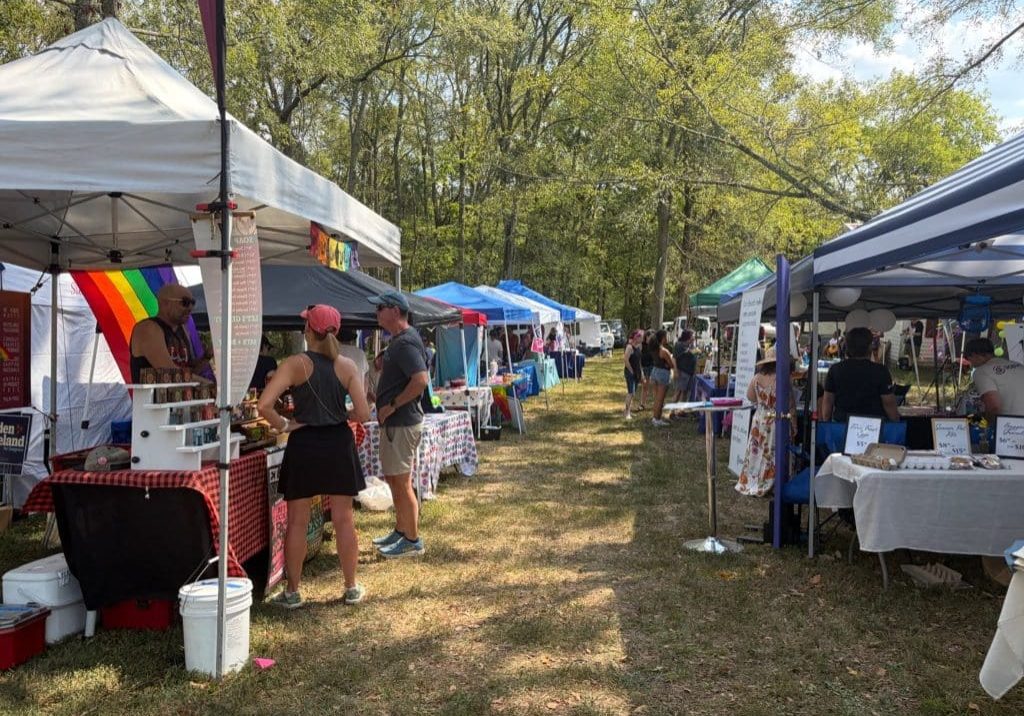
‘The Most Perfect Act of Love’
Hundreds of people attended the second annual Affirming Sumner Pride celebration on a 24-acre farm dubbed “Fruity Farm” in Bethpage, Sumner County, Tennessee.

Signs of Life
In the Nantahala National Forest, a team of biologists spotted Indiana bats, an endangered species that hasn’t been seen in North Carolina for the last 11 years.
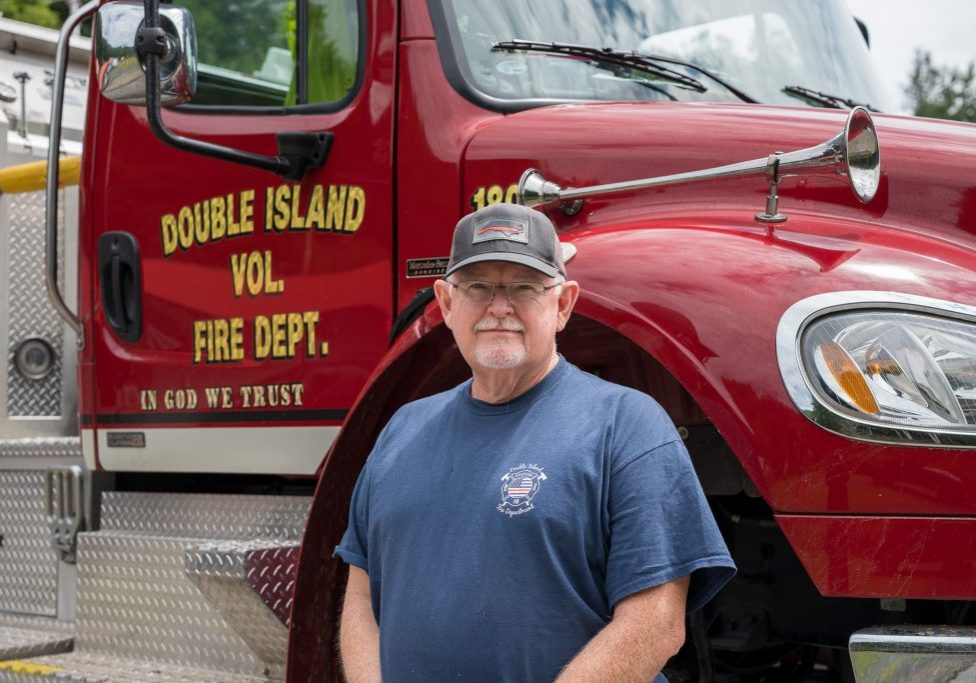
‘First Line of Defense’
During Hurricane Helene and its aftermath, rural fire departments and other first responder hubs played critical roles in keeping their communities safe, even without power and cut off from outside support for days or weeks after the storm. Two years later, plenty of work remains to ensure these hubs have the resources they need to operate day to day and be ready when emergencies or natural disasters strike.
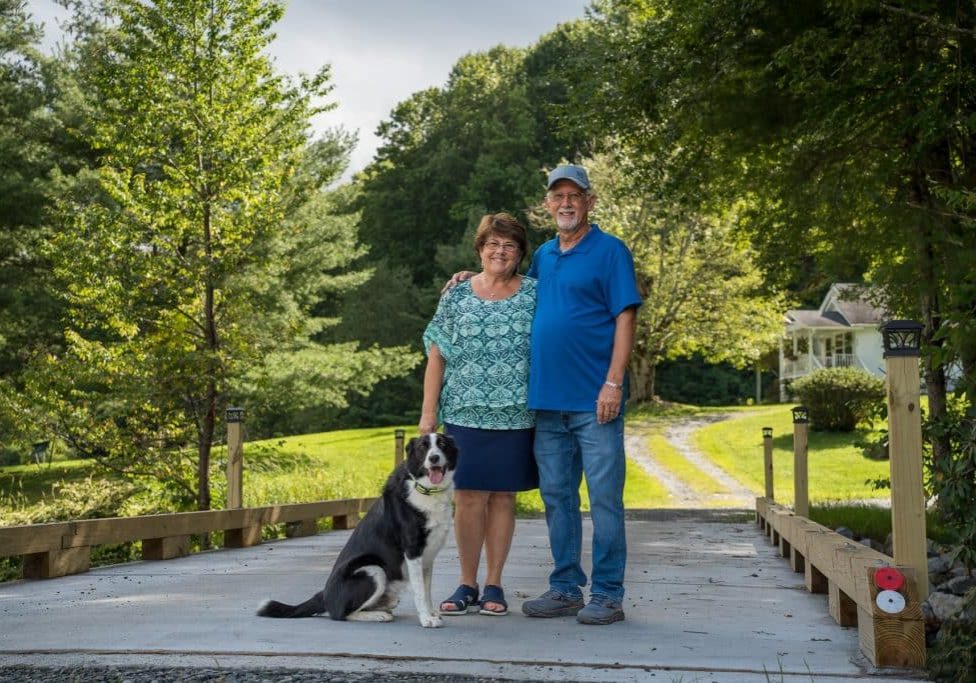
The Rocky Road — and Bridge — to Recovery
Hurricane Helene is estimated to have damaged nearly 7,000 private roads and bridges in Western North Carolina. Two years later, many restoration projects are complete, but the journey hasn’t been easy — and isn’t over for others.

Leave a comment
Your email address will not be published. Required fields are marked *
Leave a Comment