

Where is our National Media? — Editorial
I know rants about this particular point have appeared widespread in independent publications, but The Appalachian Voice has avoided weighing in. Now it’s time to go there.
IS mainstream media on vacation?
The most well-known story of late conspicuous in its absence from big news conglomerates is certainly the weeks-long Occupy Wall Street protest still growing in New York City as we go to press.
The action was in its second week before major outlets ran the story, and reports primarily focused on the hundreds of arrests with almost no mention of apparent violence taking place between police and primarily non-violent protesters.
This overt omission of news that casts corporate America in any sort of bad light is, sadly, more and more common.
By-and-large, mainstream media appears to be dropping the ball — but a few reporters are still on the job.
Take the powerful article by Associated Press news reporter Dylan Lovan, published during the last week of September with the simple yet telling headline, “Appalachia Faces Steep Coal Decline.”
In the article, Lovan addresses the rapid decline of readily mineable Appalachian coal and cites a Department of Energy statistic that forecasts central Appalachian coal production will “drop to 112 million tons by 2015, less than half of the 234 million tons mined three years ago.” He also mentions how the second largest coal producer in the nation, Arch Coal, informed investors last year that central Appalachian coal “is in secular decline — faced with depleting reserves and significant regulatory hurdles.”
While not news to scientists and advocates working on coal issues in Appalachia, this fact essentially means that the 37,000-plus coal miners in Appalachia, as well as the tens of thousands of ancillary jobs that accompany coal mining, are at risk — not from EPA regulations, as some have attempted to claim, but from a lack of coal.
So why is the American public still buying into the line that the Obama Administration regulations on coal mining are job killers?
According to Google’s aggregate news tool, 22 news sources carried Lovan’s AP story, but only three — The Washington Post, CBSNews, and BusinessWeek — could be considered top-source media agencies. And of course there is no way of knowing how far into their websites the story was buried or if the headlines even made it to the main page.
With talk of the economy at the forefront of media conversation, how can the potential loss of tens of thousands of jobs over the next ten years in one of the poorest regions of the country NOT be front page news?
In order to make informed decisions about the future, the American public depends on the media. Omissions and partial truths controlled by industry interests will only lead to bad decisions, leaving the fate of our democracy in uncertain hands.
It’s high time our mainstream news got back to work.
Related Articles
Latest News
More Stories

‘First Line of Defense’
During Hurricane Helene and its aftermath, rural fire departments and other first responder hubs played critical roles in keeping their communities safe, even without power and cut off from outside support for days or weeks after the storm. Two years later, plenty of work remains to ensure these hubs have the resources they need to operate day to day and be ready when emergencies or natural disasters strike.

The Rocky Road — and Bridge — to Recovery
Hurricane Helene is estimated to have damaged nearly 7,000 private roads and bridges in Western North Carolina. Two years later, many restoration projects are complete, but the journey hasn’t been easy — and isn’t over for others.
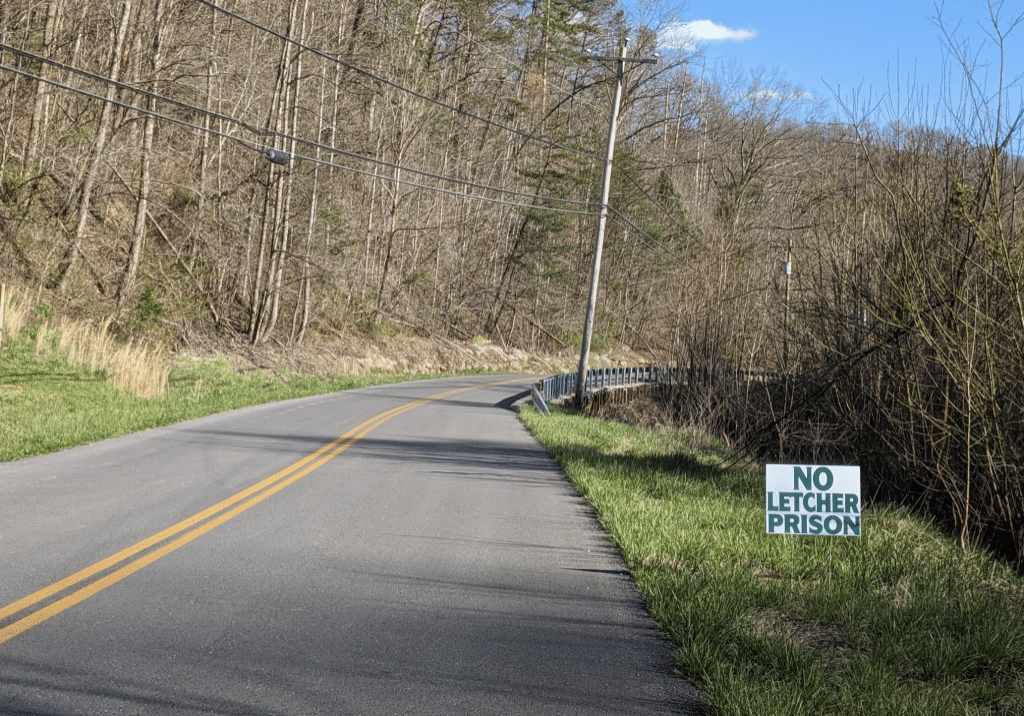
After 20 Years, Letcher County Prison Proposal Is Still Alive, Though Obstacles Remain
A $605 million proposal for a federal prison on a former strip mine site in Letcher County, Kentucky, championed by U.S. Rep. Hal Rogers, refuses to die, despite local opposition, a lack of support from the executive branch and numerous other obstacles.
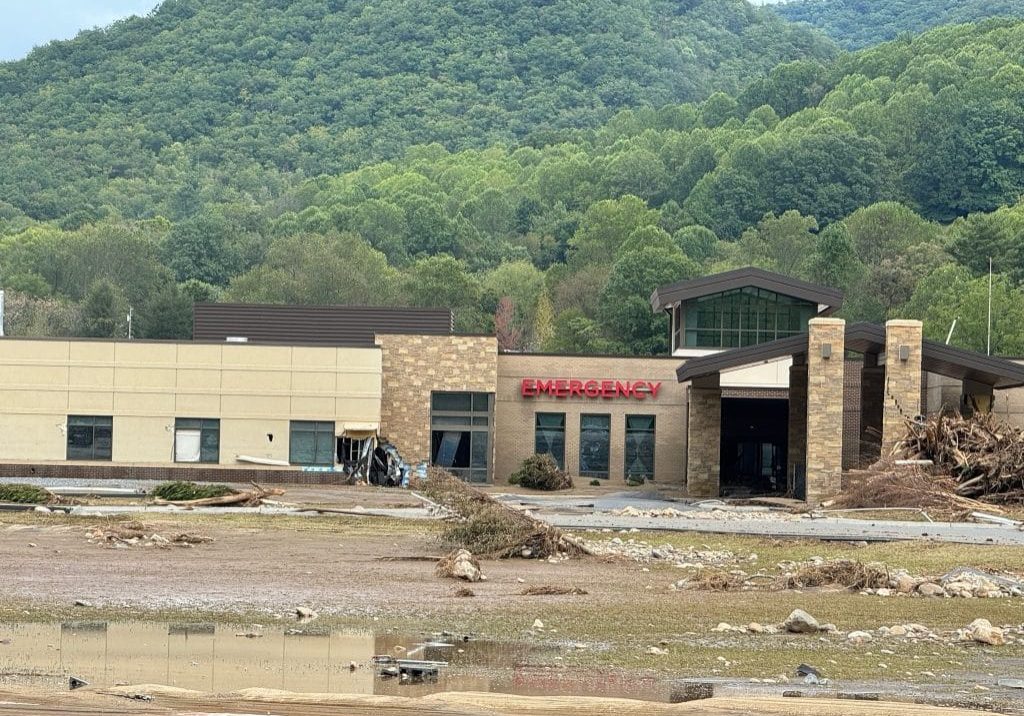
The Washout and Rebuild
For nearly two years, residents of Unicoi County, Tennessee, have had to make do without a hospital after Hurricane Helene destroyed the rural hospital. Ballad Health, which owns the hospital, broke ground on a new location — in another floodplain — in August 2026.

The Shenandoah Salamander
The Shenandoah salamander is a woodland salamander, which has adapted to life at higher elevations away from water. This sparkling rarity lives among the dry leaves, cracked logs, and stony hillocks on the highest peaks of Shenandoah National Park.
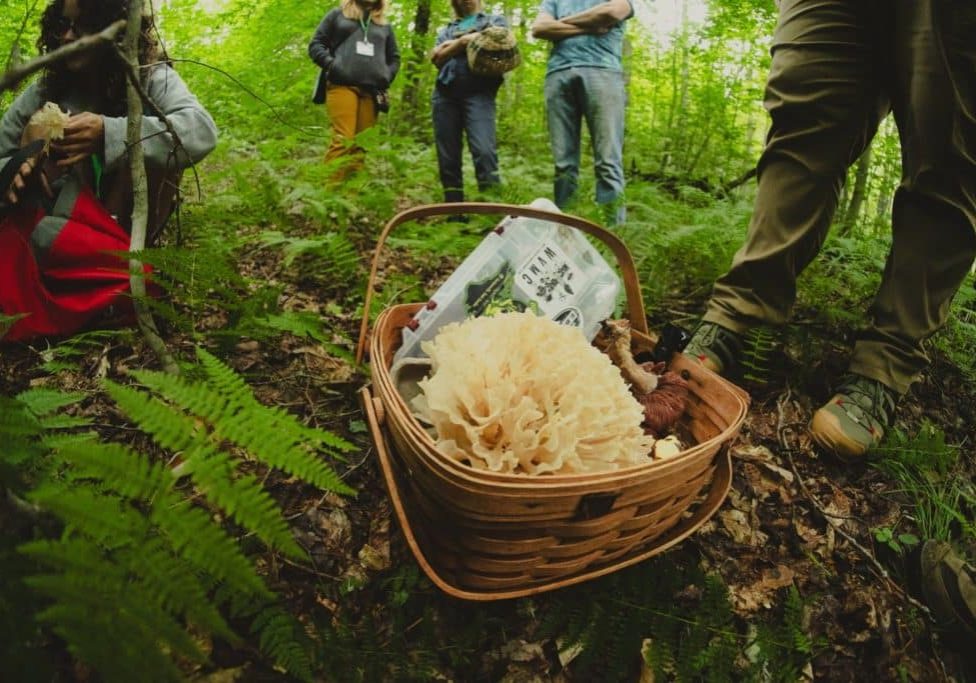
‘Foraging Is a Way of Connecting’
Foraging has experienced a modern resurgence, partly because of social media, online groups, the pandemic and people wanting to connect with nature. It also builds community, whether in person or online.

Leave a comment
Your email address will not be published. Required fields are marked *
Leave a Comment