

By David Pferdekamper and Brian Sewell
Considering the changing colors and the crisp air, autumn is as good a time as any to spend outdoors. If you don’t have an “outdoor living space” yet, it may be time to create that welcoming, comfortable and eco-friendly addition to your home.
Humans have long incorporated garden spaces, porches and gazebos into their daily lives. Tea in the English garden, meditation on a stone bench and cookouts on the deck present idyllic pictures of days spent at home and outside. But only recently has the awareness of expanding outside rather than inside become a popular way to increase a home’s square-footage.
First, consider a patio or terrace instead of a porch. Use low-maintenance materials that are also environmentally friendly, such as local stone or scrap marble from a quarry.

If a porch is part of the plan, carefully consider your building materials. Natural wood is eco-friendly if it comes from a properly managed forest but naturally rot-resistant wood is expensive. Composite decking uses recycled materials and waste wood and lasts a long time with little maintenance. Add an an awning or roof to create the spatial impression of another “room” on your home.
Let There Be Light: Use solar garden lights with LED bulbs and rechargeable, solar-powered batteries to light up the night with minimal electricity. If you prefer natural lighting, candles are the way to go. Not only do they provide just the right amount of light for intimate get-togethers, but some repel bugs and eliminate the need for a costly patio screen or an energy wasting bug zapper.
Dinner Time: Cooking with an infrared gas grill uses about a quarter less gas than a conventional grill. If charcoal is a necessity, get a ceramic, fuel-efficient kamado grill. Kamado grills cost more, but because they use less charcoal over time, they save money while helping save the Earth.
Keeping It Warm: Everyone loves sitting around a fire. Use firebowls or clay ovens on patios and porches to extend the season of your outdoor “living room.” Build a rustic fire pit next to your patio by clearing grass and leaves and assembling a rock border to contain the flames. For a more permanent structure, simply cement the stones together.
Create a space you love and you’ll quickly find that your unconditioned addition is the place to be, saving you, your friends and family money while conserving energy.
Recycling Reaches New Heights
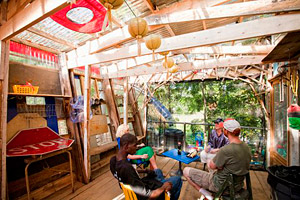
Photo by Michael Oppenheim
At Burton Street Community Peace Garden in Asheville, N.C., a new outdoor community gathering space uses salvaged and repurposed materials and employs a passive solar design. Coordinated by Asheville Design Center and Appalachian State University adjunct instructor Luke Perry, students from ASU, North Carolina State University and Virginia Tech cooperatively designed and constructed the 300 square-foot pavilion during summer 2011.
“If you look right to left, there’s a sequence of wood, metal, plastic then glass,” says Oscar Sorcia, a junior at ASU. “[The pavilion] tells a story of that place, a transition from chaos to order. There was a lot of found trash the owner collected from the area. Now there’s landscaping, gardens and a structure.”
Related Articles
Latest News
More Stories

Signs of Life
In the Nantahala National Forest, a team of biologists spotted Indiana bats, an endangered species that hasn’t been seen in North Carolina for the last 11 years.

‘First Line of Defense’
During Hurricane Helene and its aftermath, rural fire departments and other first responder hubs played critical roles in keeping their communities safe, even without power and cut off from outside support for days or weeks after the storm. Two years later, plenty of work remains to ensure these hubs have the resources they need to operate day to day and be ready when emergencies or natural disasters strike.

The Rocky Road — and Bridge — to Recovery
Hurricane Helene is estimated to have damaged nearly 7,000 private roads and bridges in Western North Carolina. Two years later, many restoration projects are complete, but the journey hasn’t been easy — and isn’t over for others.
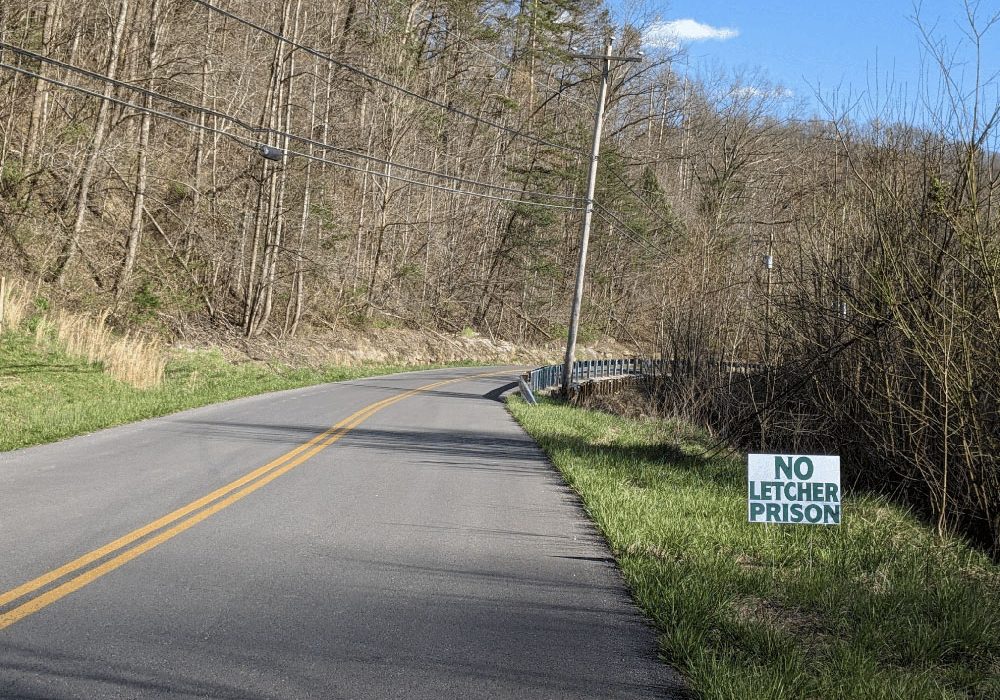
After 20 Years, Letcher County Prison Proposal Is Still Alive, Though Obstacles Remain
A $605 million proposal for a federal prison on a former strip mine site in Letcher County, Kentucky, championed by U.S. Rep. Hal Rogers, refuses to die, despite local opposition, a lack of support from the executive branch and numerous other obstacles.

The Washout and Rebuild
For nearly two years, residents of Unicoi County, Tennessee, have had to make do without a hospital after Hurricane Helene destroyed the rural hospital. Ballad Health, which owns the hospital, broke ground on a new location — in another floodplain — in August 2026.

The Shenandoah Salamander
The Shenandoah salamander is a woodland salamander, which has adapted to life at higher elevations away from water. This sparkling rarity lives among the dry leaves, cracked logs, and stony hillocks on the highest peaks of Shenandoah National Park.

Leave a comment
Your email address will not be published. Required fields are marked *
Leave a Comment