

On the Front Lines of Appalachia’s Surge in Black Lung Disease
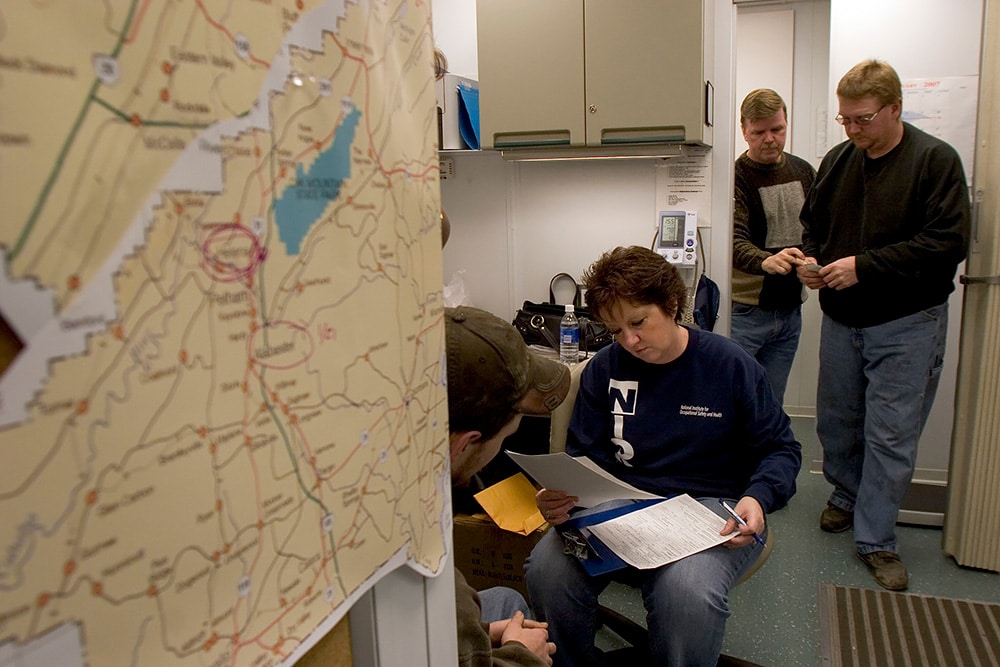
There are over 1,000 federally qualified health centers in the United States, but few can trace their roots directly to coal miners and unions.
The New River Health Association was established in Scarbro, West Virginia, in the 1970s with funds from the United Mine Workers Association. At the time, the UMWA was pushing for more rural health care for mining communities who often had to rely on coal company doctors — if they had any doctors at all.
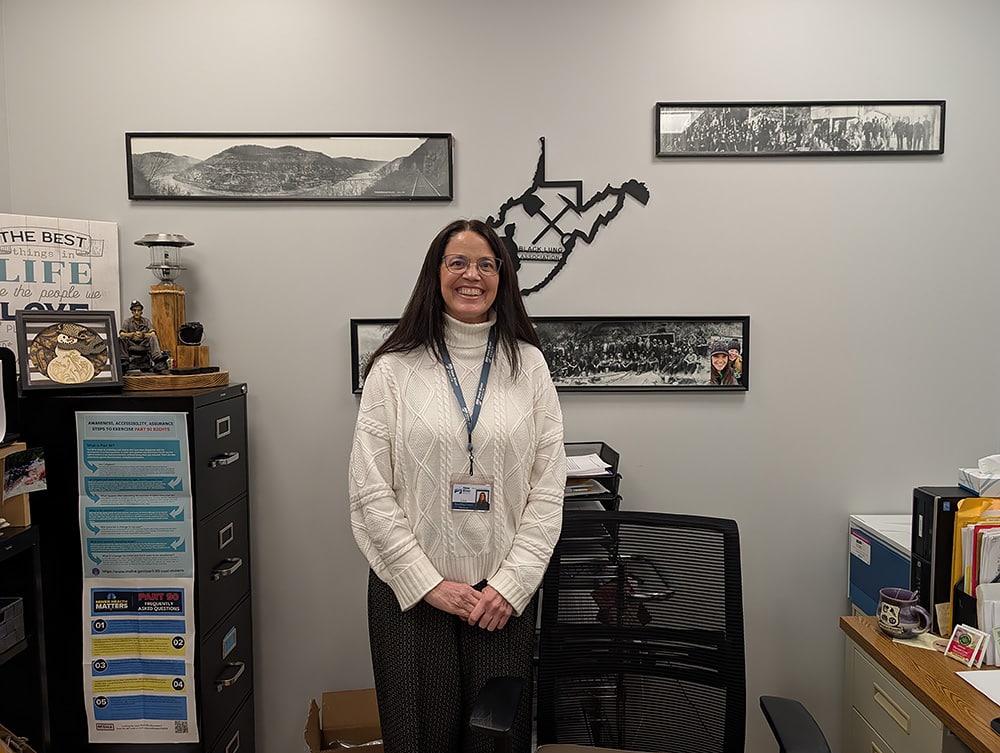
“[New River Health Association] was started by a bunch of coal miners saying, ‘We need this in our area. We have no access to health care,’” says Lisa Emery, the director of New River Health’s Black Lung Clinic in Oak Hill, one of the clinics that the UMWA helped start.
That mining history is strongly reflected in the work New River does today.
“We always have a certain [number] of coal miners on our board, and I think that that’s really important to stay with our roots,” Emery says.
Health care for coal miners remains as important now as it was back then, given the crisis unfolding in coalfields across the country, particularly in Central Appalachia.
Black lung disease, or coal workers’ pneumoconiosis, is a severely debilitating lung disease that was in decline but is now on the rise again. The condition has no cure. And today, what used to be a disease among older miners with decades of work under their belts is affecting miners as young as their 30s, with decades to go until retirement.
Black lung clinics have been working together to compile and analyze data. Between 2019 to 2024, about 52% of miners who received chest X-rays — more than 7,000 — tested positive for black lung.
More than 20 years ago, Anita Wolfe, former director of the Coal Workers’ Health Surveillance Program in Morgantown, West Virginia, started seeing high rates of black lung reemerging. The federal program is part of the National Institute for Occupational Safety and Health.
She shared that a government doctor came to talk to her one day.
“He said, ‘I think there’s something wrong with your data.’ I said, ‘There’s nothing wrong with my data.’”
The doctor responded, “Well then, we have a really big problem.”
Black lung clinics
New River has been providing specialized black lung care to coal miners in Southern West Virginia for over 40 years. The clinic is one of about two dozen federally supported black lung clinics. Half are located in Kentucky, Virginia and West Virginia.
At black lung clinics, miners can get chest X-rays and lung exams to determine whether they may have the disease.
Benefits counselors are also on hand to guide miners through the process of applying for state and federal black lung claims. Clinic staff provide rehabilitation services, including helping miners try to regain lung function. Some of New River’s locations have extended hours to ensure miners can get care before or after late-night and early-morning shifts.
Emery explains that having specialized care and staff familiar with mining culture helps build trust and improve patient health.
“One thing that’s really important about the black lung clinics is that these men have really grueling schedules, and they don’t see primary care providers if they are super sick,” Emery says. “They end up going to urgent care, and then that’s a frustrating cycle for them because they don’t get established with someone.”
The extra care that black lung clinics provide helps get miners through the door.
“It’s a really distrusting population, first and foremost,” Emery says. “The black lung clinics can be their first connection with someone they trust. My main goal is education, education, education, and getting them to trust me.”
Emery estimates she’s on track to see 400 coal miners this year.
The federal program
Black lung disease is progressive, meaning it worsens over time, even after a miner is no longer exposed to high-dust environments. Since there is no cure, the best course of action is to avoid exposure at all costs.
In the 1960s and 1970s, Congress took action on mine safety after years of advocacy and attention on mining illnesses and disasters that were becoming more common. Congress recognized that workers’ compensation programs were frequently inadequate to support miners who fell ill with this preventable disease and created the federal black lung program in 1969.
A miner approved for the program receives a monthly disability benefit, which increases modestly if they have dependents. They also receive a lifetime medical benefit that covers doctors’ visits, procedures and medications related to the disease.
Although the initial application can be done in a few hours, according to some benefits counselors, what comes after is often a daunting process full of medical exams, court appearances and more paperwork.
The process is difficult in no small part because coal companies and their insurers don’t want to be on the hook for paying lifetime medical and disability benefits. Typically, coal companies must carry insurance that covers black lung liabilities. More successful federal black lung claims by miners against companies mean higher costs. If coal companies had followed proper ventilation and other engineering controls, there would have been less black lung in the first place.
New River has long provided tests and support for miners applying for state black lung disability, which has benefits that are not as impactful as federal benefits. The U.S. Department of Labor sets requirements for physicians certified to perform federal testing. Until recently, New River would refer coal miners to other clinics for those exams.
But in March 2026, New River began offering monthly federal exams through Drew Harris, a doctor from the University of Virginia. Eventually, Emery hopes to get other well-respected pulmonologists from other states to help at New River.
Emery explains it’s critical that trusted, experienced doctors perform the tests to give miners the best possible chance of succeeding in complicated black lung claim applications.
Knowing what to look for
On a Wednesday afternoon at New River’s Oak Hill Black Lung Clinic, Emery places two folders on a conference table. Inside are redacted X-ray and CT readings of coal miners’ lungs.
First, she shows a miner’s X-ray reading from a doctor less experienced in identifying signs of black lung. Next, she shows a reading of the same miner, but interpreted by a doctor who is federally approved to “classify chest radiographic images of workers participating in health surveillance programs.”
Page after page, Emery repeats this pattern for many anonymous miners.
Each time the result is the same. The first reading might suggest things other than black lung, or that the disease is in the earliest stages. Then, always, the certified doctor suspects black lung is present or worse than the original interpreter suggested. Sometimes it’s the most severe form — progressive massive fibrosis.
Emery knows the history of each person detailed on each page — she’s often met their families, heard their anxieties and tried her best to assure them while remaining honest. But she knows that, statistically, at least half of the patients who come in for a scan will suffer from black lung for years.
“Every single person is one page, and this is just two years,” Emery says, holding up a stack of papers. “I’ve weighed this. It’s over a pound, but a pound of paper is a lot of paper.”
Challenges from the top down
Experts agree that silica dust is a leading contributor to the rise in black lung diagnoses. Silica dust is kicked up when mining operations cut through rocks. Much of the easily accessible coal has already been extracted in Central Appalachia, forcing coal operations to dig deeper through layers of silica-rich rock to reach thinner coal seams.
Medical experts have long known that silica dust is toxic. The federal Occupational Safety and Health Administration implemented protections for many workers against silica dust during the Obama administration.
Safety in coal mines, however, is regulated by the Mine Safety and Health Administration, which has dragged its feet on enacting a similar rule.
After years of calls to action from miners and mine safety advocates, in 2024, the Biden administration finalized a rule to limit miners’ exposure to silica dust. That rule was set to take effect in April 2025, but the Trump administration refused to defend it in federal court against a lawsuit filed by mining industry associations to challenge the rule.
In November 2025, the Department of Labor outlined in a legal filing that it would redo parts of the rule to satisfy the industry’s objections. At press time, the DOL has not elaborated on its intent for the rule.
At the same time, the Trump administration was trying to gut the only agency that federally certifies doctors who can help coal miners get the true diagnosis — and benefits — owed to them.
Coal Workers’ Health Surveillance Program
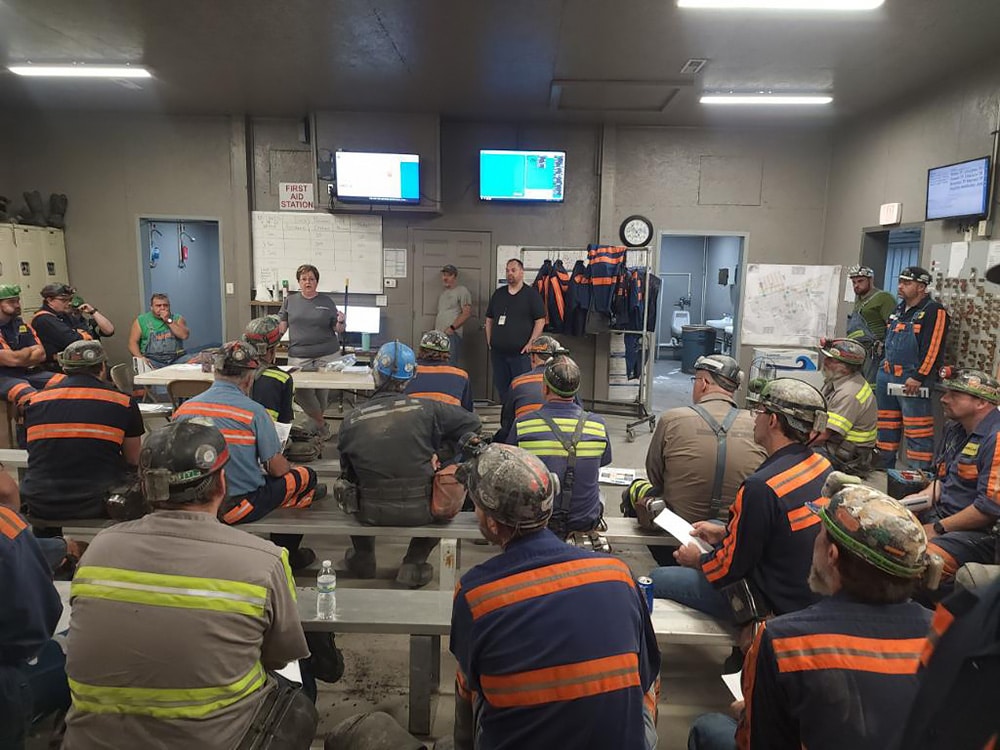
Although she had already been an employee at NIOSH and was the daughter of a coal miner who died with black lung, Anita Wolfe was surprised when she started working at the agency’s Coal Workers’ Health Surveillance Program by the number of miners getting sick with black lung.
In her two decades at the CWHSP, Wolfe and her team’s work revealed that one in five long-tenured miners had some form of black lung disease. And in recent years it was showing up in young miners as well.
“Like everyone else in the world, we were told black lung was an old man’s disease,” Wolfe says. “You never heard about the young people getting sick. You just assumed it wasn’t happening.”
But it is.
Wolfe helped start NIOSH’s mobile black lung van in the early 2000s, which drives to coal communities around the country and provides free, confidential X-rays and lung function tests.
The program also provides a unique, federally required duty.
Any coal miner who learns they have black lung can request to transfer to a less dusty and toxic part of a coal mine and continue working. The health surveillance program is the only entity that can certify a coal miner for this right.
More than 20 years after she started working with miners, Wolfe, now retired, was shocked when Health and Human Services Secretary Robert F. Kennedy Jr. announced in 2025 that the agency was firing nearly all of NIOSH’s staff, including those in the coal program.
“I literally sat and cried when I heard it was being done away with,” Wolfe says. “I said, ‘This can’t happen.’”
Cutting the coal program would mean that miners wouldn’t be able to exercise their right to request transfers if they have early signs of black lung but want to keep working. Firing all of NIOSH would mean that no one could certify doctors or perform mine safety research at the NIOSH offices in Spokane, Washington, and Pittsburgh, Pennsylvania.
Wolfe started making calls to West Virginia lawmakers. She testified in a federal court hearing on behalf of a miner who sued Health and Human Services to reinstate the surveillance program.
The judge ordered HHS to reinstate workers at NIOSH’s coal program. Wolfe continued to advocate for its importance. Finally, in January 2026, the agency ended its plans to cut NIOSH workers, nearly a year after announcing the layoffs.
Back in Oak Hill, Lisa Emery had expected the NIOSH black lung van to come for a two-day stint, providing free X-rays to miners. The night before, she learned that a technical issue had prevented the van from coming, but they have plans to get back on the road soon.
Emery went ahead and offered all-day, walk-in federal black lung claim assistance with counselors from New River and other clinics.
“At least I can say when I leave this Earth that I love my job, and I changed lives,” Emery says.
Related Articles
Latest News
More Stories

Halloween Approaches, and Night School Is in Session
The House of Art in Bluefield, West Virginia, looks like a haunted tower, making it the perfect location for its sixth annual haunt event: Night School. The Night School will be open every Friday and Saturday night through Oct. 31.
‘The Most Perfect Act of Love’
After losing its rural pride celebration, hundreds of people attended the second annual Affirming Sumner Pride celebration on a 24-acre farm dubbed “Fruity Farm” in Bethpage, Sumner County, Tennessee.
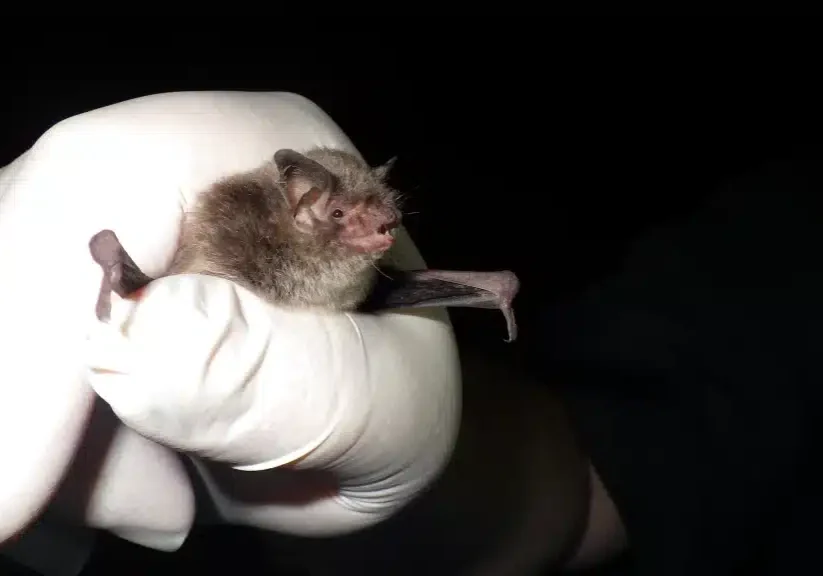
Signs of Life
In the Nantahala National Forest, a team of biologists spotted Indiana bats, an endangered species that hasn’t been seen in North Carolina for the last 11 years.
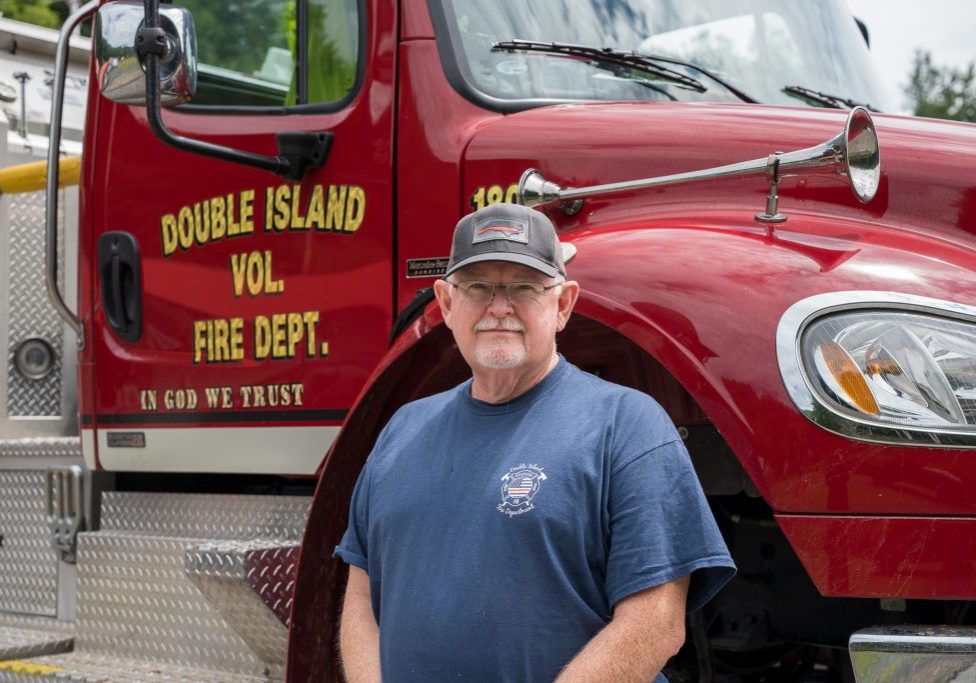
‘First Line of Defense’
During Hurricane Helene and its aftermath, rural fire departments and other first responder hubs played critical roles in keeping their communities safe, even without power and cut off from outside support for days or weeks after the storm. Two years later, plenty of work remains to ensure these hubs have the resources they need to operate day to day and be ready when emergencies or natural disasters strike.
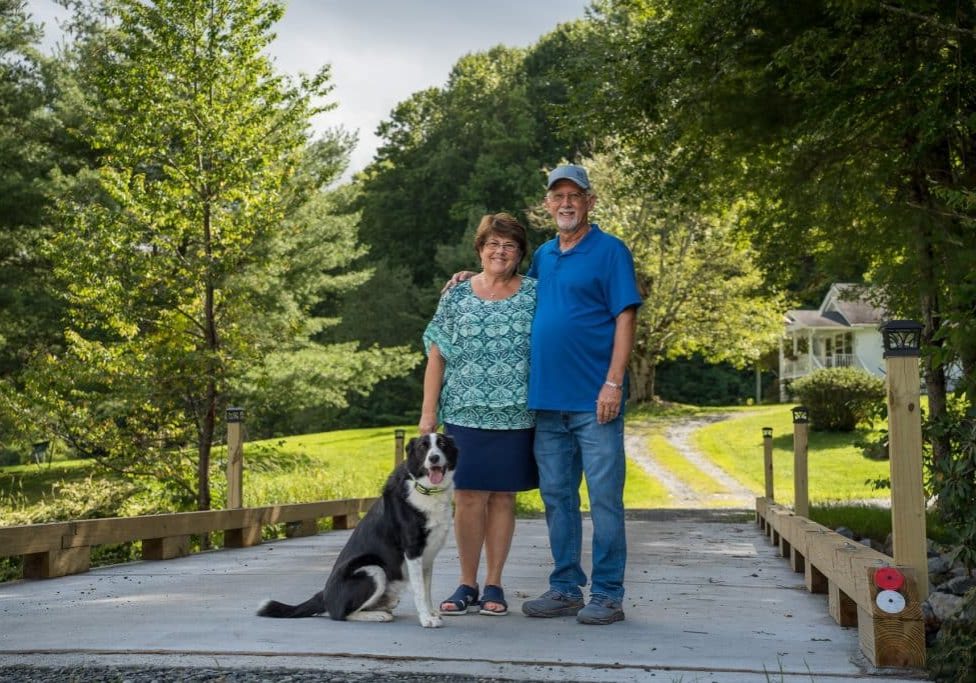
The Rocky Road — and Bridge — to Recovery
Hurricane Helene is estimated to have damaged nearly 7,000 private roads and bridges in Western North Carolina. Two years later, many restoration projects are complete, but the journey hasn’t been easy — and isn’t over for others.
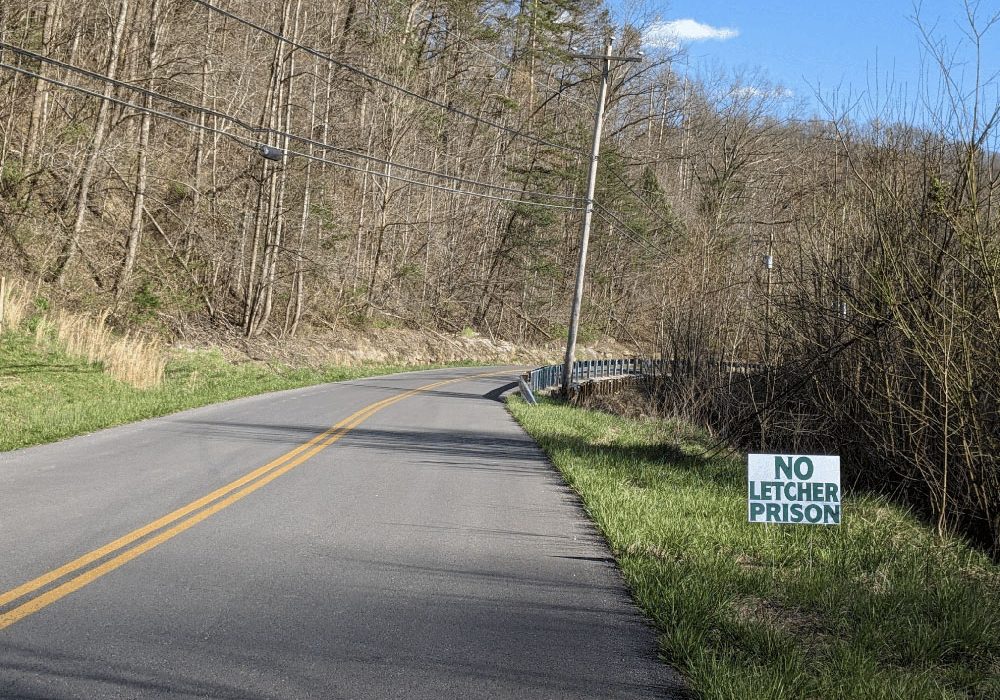
After 20 Years, Letcher County Prison Proposal Is Still Alive, Though Obstacles Remain
A $605 million proposal for a federal prison on a former strip mine site in Letcher County, Kentucky, championed by U.S. Rep. Hal Rogers, refuses to die, despite local opposition, a lack of support from the executive branch and numerous other obstacles.

Leave a comment
Your email address will not be published. Required fields are marked *
Leave a Comment